
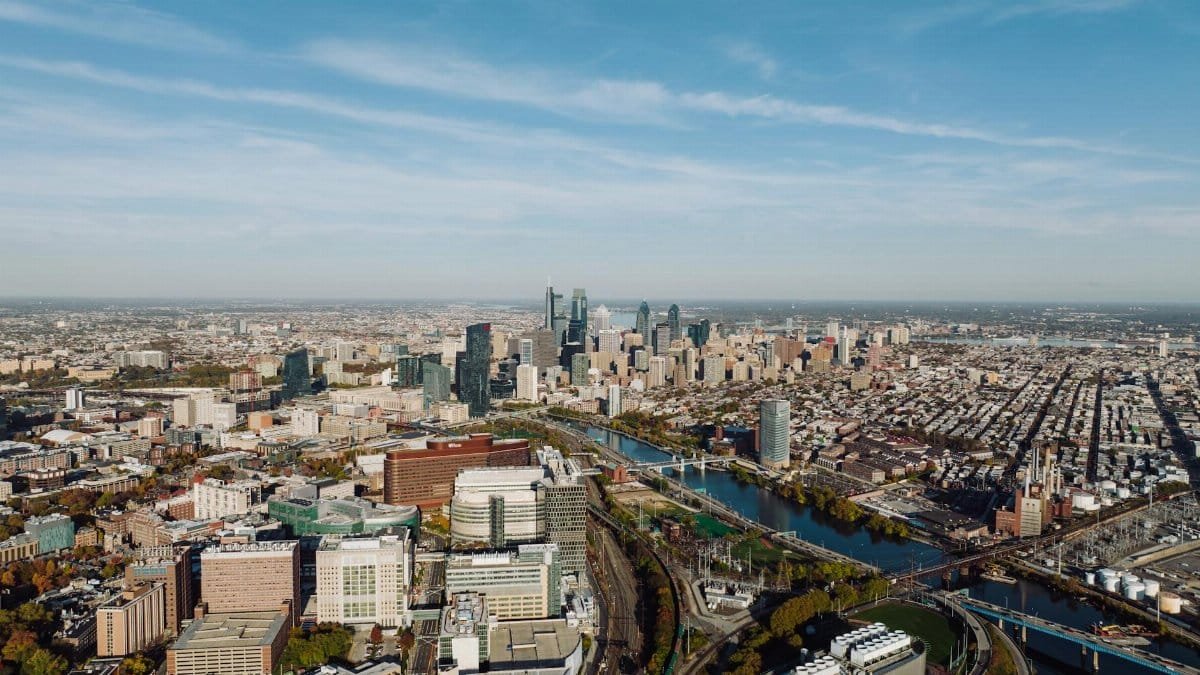
On a sunny Saturday in September the streets of South Philadelphia buzzed with an unusual energy. Residents young and old made their way to the recreation center for the south philadelphia health fair an event that would ultimately shatter previous attendance records. More than 850 people passed through the gates seeking everything from blood pressure checks to advice on nutrition and exercise. What made this gathering stand out was its focus on accessibility. In a city where health care can feel distant this fair brought professionals directly to the community. Conversations flowed easily between doctors and families creating an atmosphere of genuine care and concern. The success pointed to a larger truth about how local initiatives can bridge gaps in public health while strengthening the bonds that hold neighborhoods together.
The Dramatic Increase in Participation
Organizers for the south philadelphia health fair watched in quiet amazement as crowds continued arriving well past the scheduled start time. Attendance nearly doubled from the previous year surpassing even the most optimistic projections. This jump did not happen by chance. Years of relationship building through churches block associations and senior centers created a foundation of trust that finally paid off in record numbers.
Many middle aged residents said they came because the event felt welcoming rather than clinical. They appreciated the absence of complicated paperwork and the chance to speak with providers who understood the realities of life in South Philadelphia. The turnout revealed a community ready to prioritize health when barriers are removed.
Screenings That Made a Difference
Free stations offered blood pressure readings blood sugar tests cholesterol checks and body composition assessments. Several attendees learned of elevated readings that required immediate follow up. One woman in her early sixties discovered through a glucose screening that she had developed prediabetes a condition she said she never would have caught without the fair.
Medical teams from Jefferson Health and local clinics volunteered their time to conduct these evaluations. They also distributed information on recognizing stroke symptoms and managing hypertension. Data shared by the event organizers showed that roughly one in four participants received referrals for additional care. Such outcomes illustrate why community based screenings remain a vital tool in urban neighborhoods where routine doctor visits are not always possible.
Educational Sessions on Everyday Health
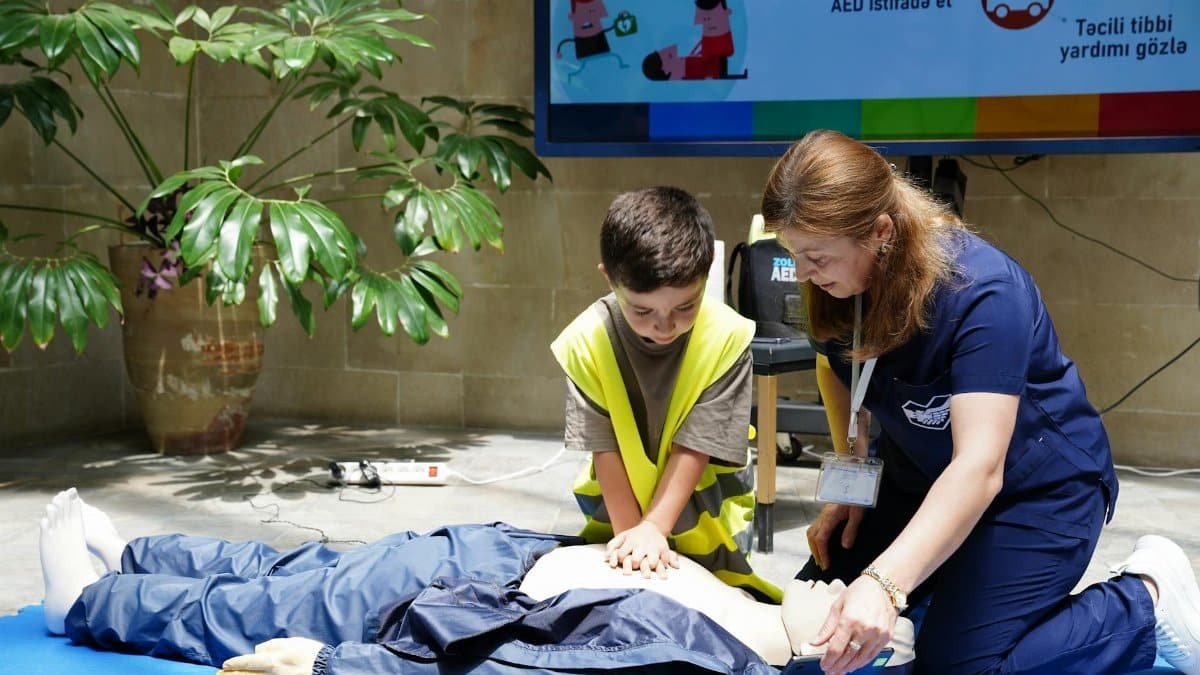
Beyond the clinical tables the south philadelphia health fair featured hands on workshops. Nutritionists demonstrated simple meals using affordable ingredients available at corner stores and the Italian Market. Fitness instructors led gentle movement classes suitable for people with joint issues or limited mobility. These sessions emphasized sustainable changes rather than temporary fixes.
Participants practiced reading nutrition labels and asked practical questions about portion sizes and sugar content. The practical nature of the teaching resonated with attendees who often juggle multiple responsibilities. By focusing on realistic advice the fair avoided the pitfall of offering guidance that sounds good but proves impossible to follow in daily life.
Personal Accounts From the Day

Marie Thompson a retired teacher who has lived in the neighborhood for thirty five years called the event life changing. She received a blood pressure reading that prompted her to schedule a long delayed appointment with her physician. Others spoke of the relief that comes from simply having questions answered without judgment.
A father in his forties brought his teenage son to learn about heart health after losing his own father to a sudden cardiac event. Stories like these repeated throughout the day revealing how health fears and hopes travel through families and across generations in tight knit communities. The fair became a place where private worries found public support.
The Organizations That Came Together

Success depended on deep collaboration. Local churches including St. Monica and New Covenant Baptist worked alongside the Philadelphia Department of Public Health and several nonprofit health groups. Each partner brought different strengths from Spanish language interpreters to mobile dental vans.
These alliances did not form overnight. Planners spent months coordinating logistics and aligning goals. The result was a seamless experience for attendees who moved easily from one service to another. Such partnerships offer a model for other cities seeking to maximize limited resources while minimizing duplication of effort.
Facing Health Care Challenges Head On
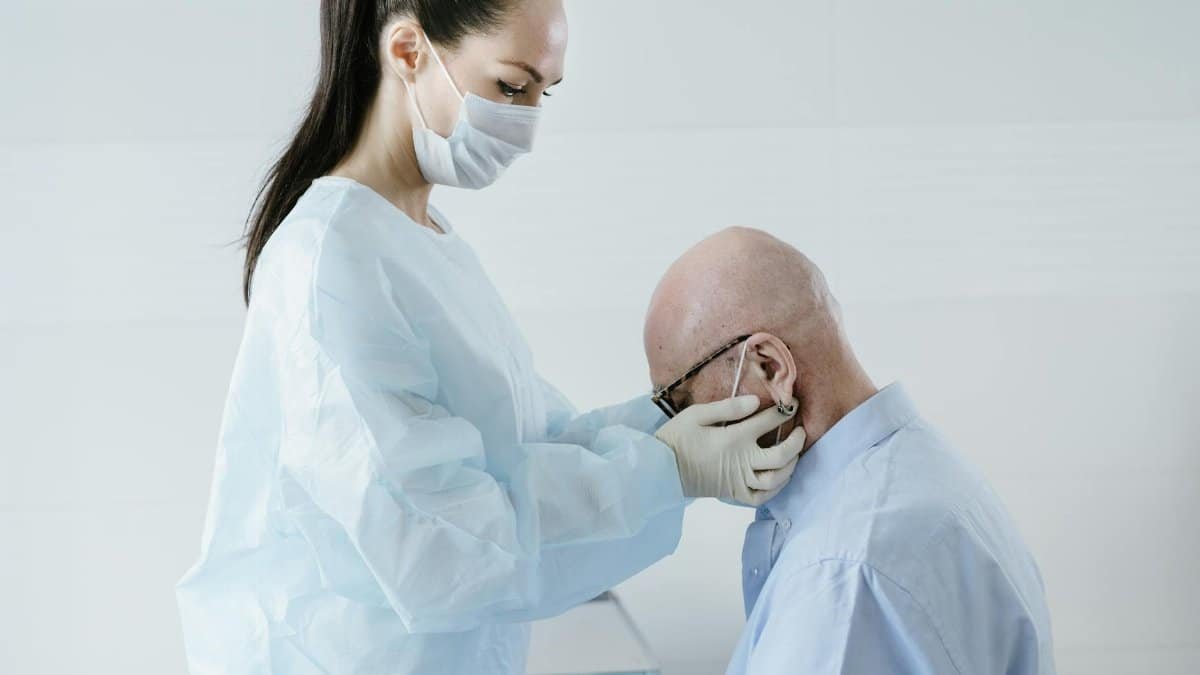
South Philadelphia contains pockets of deep economic struggle where chronic conditions like diabetes and asthma occur at higher rates than city averages. Many residents lack consistent insurance or face long waits at overburdened clinics. The fair confronted these realities directly by offering immediate access and clear next steps.
Organizers acknowledged that one day cannot solve systemic problems. Yet they argued that consistent community events build habits of prevention and create pathways to ongoing care. Public health experts note that repeated exposure to trusted information often leads to better long term decisions about diet exercise and medical follow through.
Where Faith Meets Physical Wellbeing

In a category of news that often explores spiritual trends this health fair carried a deeper dimension. Several faith leaders maintained a quiet space for reflection and prayer reminding attendees that caring for the body honors the spirit. Ministers spoke of the ancient idea that the body is a temple a concept that resonated across Christian Muslim and other traditions represented in the crowd.
This integration of spiritual perspective with medical services felt natural in South Philadelphia where churches have long served as centers of both worship and social support. The presence of chaplains alongside physicians underscored a holistic view of health that many participants found deeply comforting. It suggested that true wellness encompasses peace of mind and community connection as much as physical metrics.
Expert Perspectives on Community Needs
Dr. Elena Ramirez a physician who helped coordinate clinical services emphasized the importance of meeting people where they are. She noted that trust develops slowly in communities that have sometimes felt overlooked by larger health systems. According to a study from the Robert Wood Johnson Foundation available here neighborhoods with strong social connections experience better health outcomes even when income levels remain modest.
Other experts pointed to the mental health resources offered at the fair as particularly valuable. With anxiety and depression affecting millions the chance to speak with counselors in a nonthreatening environment represented an important first step for some attendees.
Tracking Long Term Benefits

Organizers plan to follow up with participants over the coming months to measure whether the screenings and advice lead to actual behavior changes. Early indications are promising. Several churches have already committed to hosting monthly health talks based on momentum from the fair.
Public health departments will also examine broader neighborhood data in the year ahead. While it remains too early to declare victory the record attendance suggests a genuine appetite for this type of accessible caring intervention. The real test will be whether these one time connections blossom into sustained improvements in community health.
What This Success Means for Other Cities

The south philadelphia health fair offers lessons that extend well beyond Pennsylvania. Cities nationwide struggle with similar gaps in preventive care and health literacy. The formula of deep community involvement practical services and respectful integration of spiritual perspectives appears transferable.
Other urban neighborhoods might study how South Philadelphia leveraged existing social networks rather than trying to create new ones from scratch. By building on the relationships already present in churches community centers and markets the event achieved authenticity that larger more impersonal health campaigns often lack.
As health care costs continue rising and trust in institutions sometimes wavers localized efforts like this one may become increasingly important. They remind us that meaningful change often begins at the street level where neighbors look after one another in concrete and compassionate ways. The record attendance in South Philadelphia stands as evidence that when genuine opportunity appears communities will show up in impressive numbers.