

As San Francisco continues to confront one of its most pressing social issues a new proposal from Mayor Daniel Lurie has sparked intense debate among residents and advocates alike. The plan focuses on rethinking how the city manages its resources for those experiencing homelessness. Instead of simply adding more places to sleep the initiative emphasizes creating multifaceted centers that offer medical care job training and mental health support all under one roof. This shift represents a significant departure from previous strategies and has many wondering if it will finally break the cycle that keeps people on the streets. The san francisco shelter beds lurie proposal comes at a time when the public is growing weary of seeing the same problems persist despite billions spent in recent years. Lurie argues that quality must take precedence over quantity if the city hopes to make meaningful progress.
The Current Landscape of Homelessness
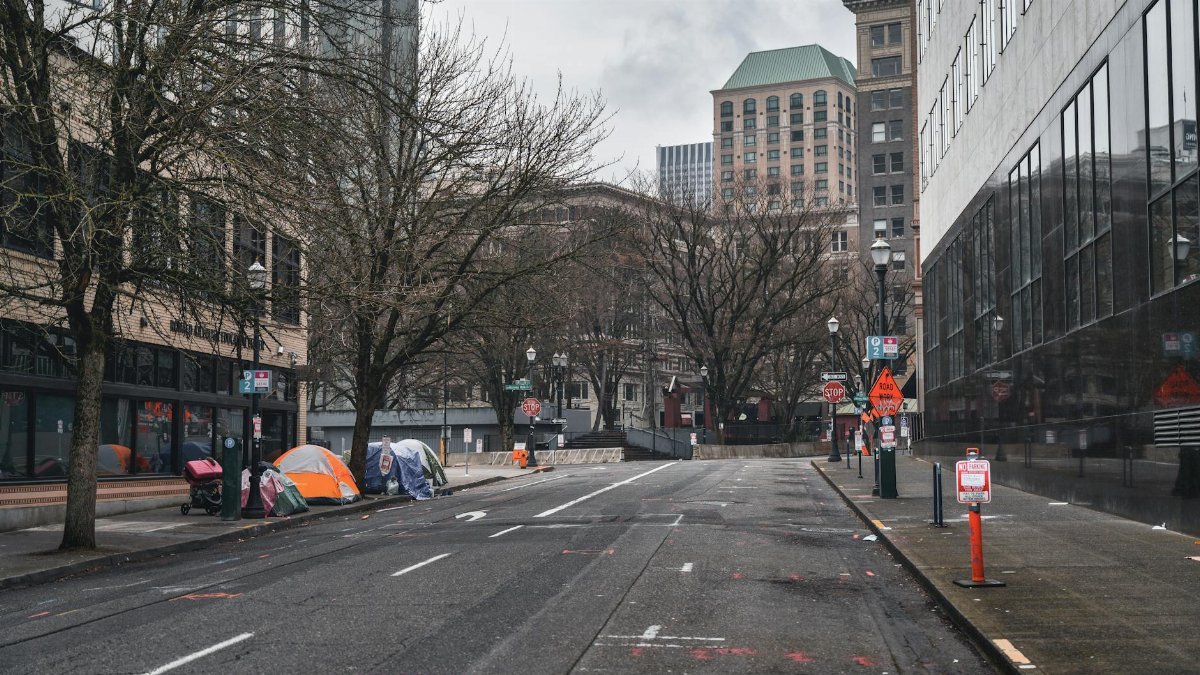
San Francisco has invested heavily in addressing visible homelessness yet the latest point in time count shows more than seven thousand people living without stable housing. Many beds in existing shelters sit empty on any given night while others turn away families or individuals with complex needs. City officials acknowledge that the current system often treats symptoms rather than root causes such as untreated mental illness substance use disorders and lack of affordable housing. This gap between spending and results has created fertile ground for fresh ideas. Lurie entered office promising results oriented governance and his shelter plan reflects that mandate.
Details of the Mayors New Approach

Under the san francisco shelter beds lurie framework the city would reduce reliance on scattered traditional shelters and instead develop several large scale service hubs. These facilities would provide temporary housing alongside on site counseling employment assistance and connections to permanent housing. The mayor has suggested consolidating resources currently spread across dozens of underutilized sites into fewer higher functioning locations. Initial estimates indicate this could free up funding for expanded street outreach and prevention programs. The proposal does not eliminate shelter beds entirely but seeks to make them part of a more integrated support system.
Moving Beyond Traditional Shelter Beds
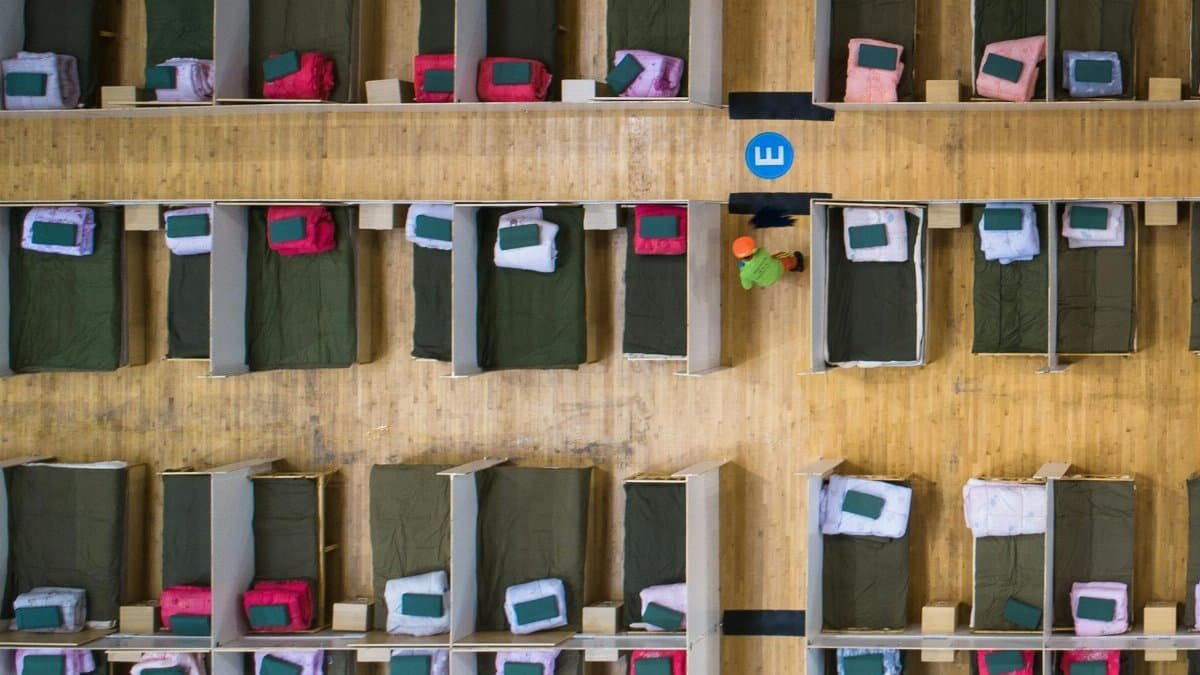
Traditional shelter beds have formed the backbone of San Franciscos response for decades yet many users describe them as inadequate. Crowded dormitories with strict curfews and limited storage often feel more like way stations than genuine sanctuaries. The new model envisions private or semiprivate accommodations paired with personalized case management. Supporters believe this change could improve outcomes by treating each person as an individual with unique barriers rather than simply offering a cot and a meal. Early pilot programs in other neighborhoods have shown promising retention rates when services are colocated.
Reactions from Service Providers

Frontline workers express a mixture of cautious optimism and practical concern. Many nonprofit directors welcome the focus on comprehensive care but worry about disruption during the transition period. Organizations that have operated shelters for years fear losing contracts or having to retrain staff quickly. At the same time several providers who have long advocated for holistic models see this as validation of their approach. They point to data suggesting that clients with access to multiple services in one location are more likely to secure stable housing within six months.
Concerns Raised by Homeless Advocates
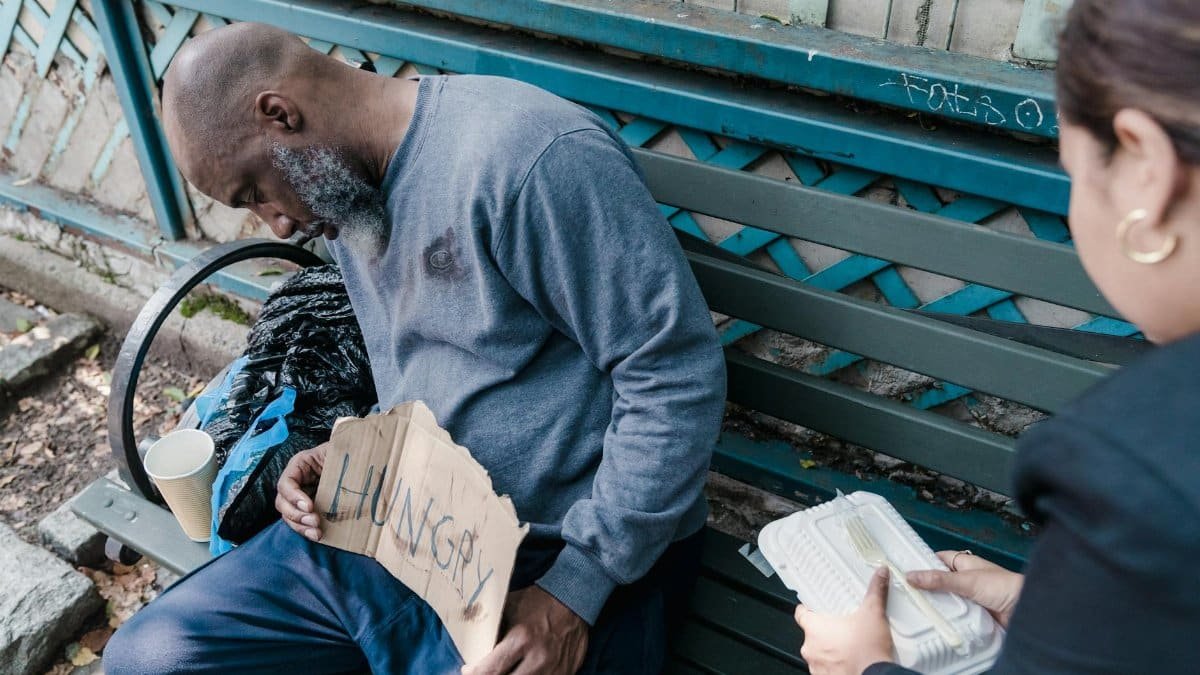
Some longtime advocates worry the plan could reduce overall shelter capacity at a moment when demand remains high. They question whether the city can realistically stand up complex service hubs before winter arrives and whether displaced residents will have adequate alternatives. Critics also note that past efforts to consolidate services sometimes led to bottlenecks and longer waits. Community meetings have featured emotional testimony from individuals who depend on current shelters and fear losing their familiar safety nets. These voices emphasize that any reform must prioritize lived experience and avoid unintended consequences.
Potential Benefits for Those in Need
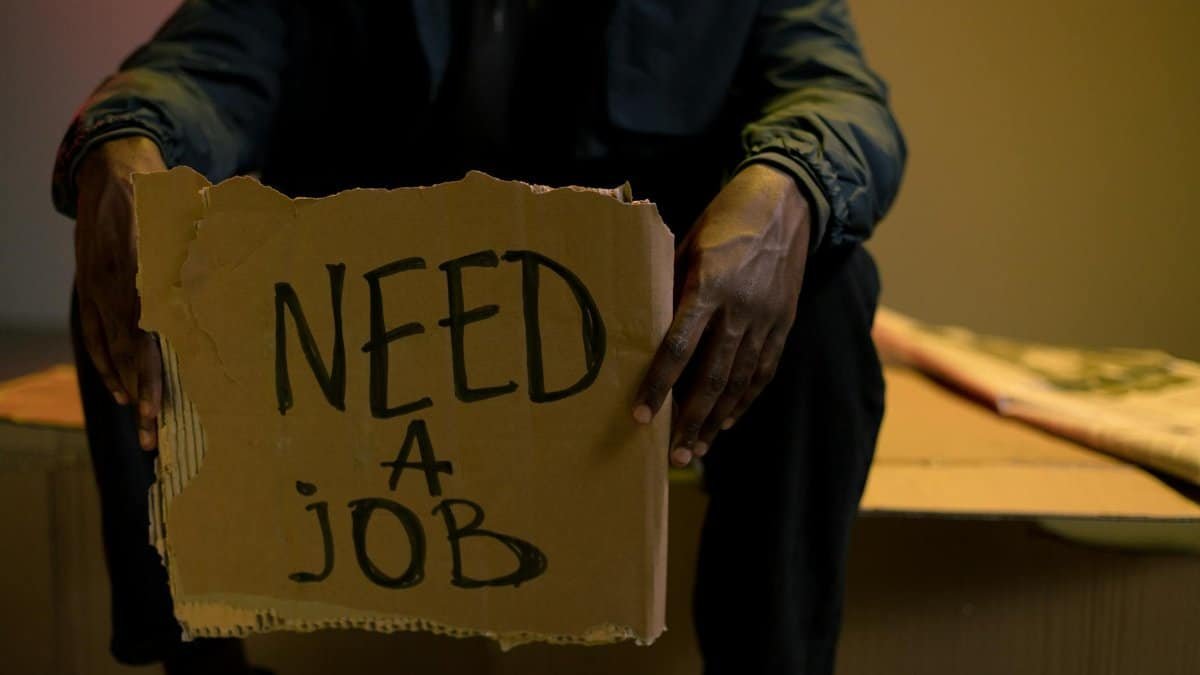
Proponents highlight how integrated sites could dramatically improve health outcomes. A single location offering psychiatry addiction treatment and job placement removes the need for clients to navigate fragmented bureaucracies across town. For older adults or those with mobility challenges this convenience could prove life changing. Preliminary modeling shared by the mayors office suggests the approach might help as many as forty percent more people exit homelessness annually once fully implemented. The emphasis on dignity and self determination aligns with many residents values about how a compassionate city should function.
The Economic Considerations at Play

Building and operating comprehensive service centers requires substantial upfront investment yet city budget analysts argue long term savings could materialize. Emergency room visits jail stays and repeated street cleanups currently consume tens of millions each year. By addressing underlying issues more effectively the proposal aims to reduce these recurring costs. Independent fiscal reviews indicate that every person moved into permanent housing generates significant public savings. Still success depends on efficient execution and continued state and federal support.
Insights from Similar Efforts Elsewhere

Other cities have tested versions of this model with varying degrees of success. Houston dramatically reduced its unsheltered population by coordinating services through centralized hubs though its milder climate and different housing market limit direct comparisons. Closer to home Los Angeles has experimented with service enriched shelters that report stronger placement rates than traditional programs. San Francisco officials have studied these examples closely while adapting them to local realities including higher housing costs and unique street culture. The san francisco shelter beds lurie plan draws on these lessons while attempting to avoid past pitfalls.
The Ethical Imperative in Policy Making

Beyond statistics this debate touches deeper questions about human dignity and communal responsibility. Many faith communities and spiritual leaders in the Bay Area have urged policymakers to ensure reforms reflect core values of compassion and respect. They argue that treating people experiencing homelessness as problems to be managed rather than neighbors to be supported contradicts widely held moral beliefs. Several interfaith coalitions have offered to partner on the new service sites providing volunteers and additional resources. Their involvement underscores how this policy conversation carries spiritual weight for many middle aged residents who remember a different San Francisco.
What This Means for San Franciscos Future

The coming months will test whether the city can execute this vision without leaving vulnerable people behind. Success could establish a new national standard for humane and effective homelessness response. Failure might deepen public cynicism and make future reforms even harder. Lurie has pledged extensive community input and transparent metrics to track progress. For a city known for both innovation and inequality the stakes extend far beyond shelter beds. This moment offers an opportunity to demonstrate that bold ideas paired with careful implementation can produce genuine hope for those living on the margins.
Building a More Compassionate System

Ultimately the san francisco shelter beds lurie proposal challenges everyone to imagine a different future. It asks residents to move past simplistic notions of just adding more beds toward creating environments where healing and growth become possible. While debate will surely continue the conversation itself signals a welcome maturity in how the city approaches one of its most visible challenges. Middle aged residents who have witnessed decades of policy swings may find reason for measured hope in this willingness to try something more ambitious. The true test will come not in announcements but in the quiet daily work of connecting people to stability and purpose.