
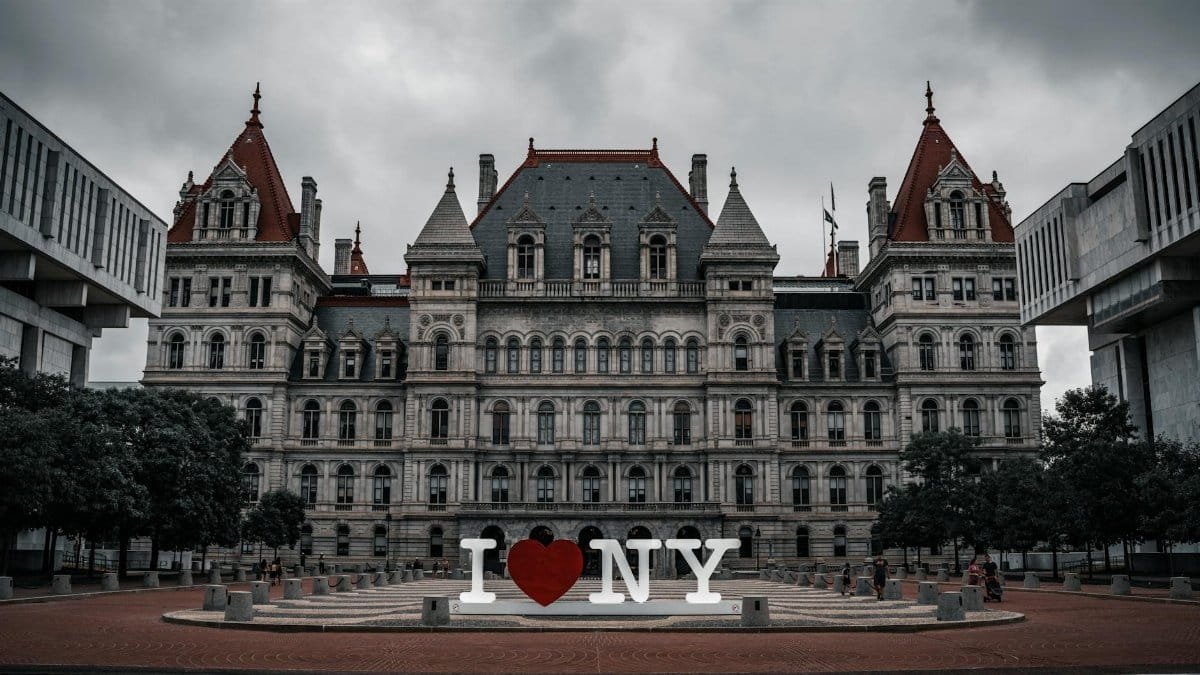
In a packed auditorium in suburban Philadelphia last month local clergy and community organizers witnessed something unusual. A respected pastor and a business leader with deep ties to nonprofit work stepped forward to announce their candidacies. Their entrance has added an intriguing layer to the pennsylvania senate race one that goes beyond typical policy debates to touch on questions of purpose integrity and collective responsibility. For many middle aged readers who have seen decades of political division these developments arrive at a moment when spiritual seeking and civic duty feel increasingly intertwined. The announcements have prompted fresh discussions in houses of worship and family kitchens alike about what moral leadership should look like in state government.
A Pastors Bold Entry Into Politics
Reverend Marcus Thompson has spent twenty five years leading congregations in both urban and rural parts of the state. When he declared his intention to run he spoke of a calling rather than a career move. Thompson argues that politics has grown too distant from the everyday struggles of working families. His platform emphasizes expanded access to mental health services rooted in both clinical care and spiritual support. Supporters see in him a bridge between policy and compassion. Critics however worry that his lack of legislative experience could prove a liability in the rough and tumble of Washington. Still his campaign has mobilized volunteers who rarely engage in traditional politics drawing from prayer groups and community bible studies across the commonwealth.
The Spiritual Dimensions Of Voter Priorities

Polling conducted by university researchers shows that a significant portion of Pennsylvania voters rank ethical governance as their top concern ahead of taxes or jobs. This trend reflects broader spiritual news and trends visible nationwide as people search for authenticity in public life. In focus groups conducted last quarter participants repeatedly used words like trust and stewardship when describing what they want from senators. Many middle aged voters in particular express fatigue with partisan shouting matches. They long for leaders who can discuss difficult issues such as addiction recovery and family stability with both competence and care. The pennsylvania senate race has become a testing ground for these yearnings.
Established Politicians Respond To New Challengers

Incumbent officeholders have taken notice. Senatorial candidates already in the field have adjusted their messaging to incorporate more references to community values and shared sacrifice. One longtime congressman recently hosted a series of town halls in church basements a move that would have seemed unusual a generation ago. These adaptations suggest that the new announcements are forcing a reckoning. Rather than dismiss the faith centered approach established figures are attempting to demonstrate that their own records already reflect similar principles. The resulting dialogue has elevated the entire contest making it more substantive than many expected.
Faith Based Initiatives Taking Center Stage
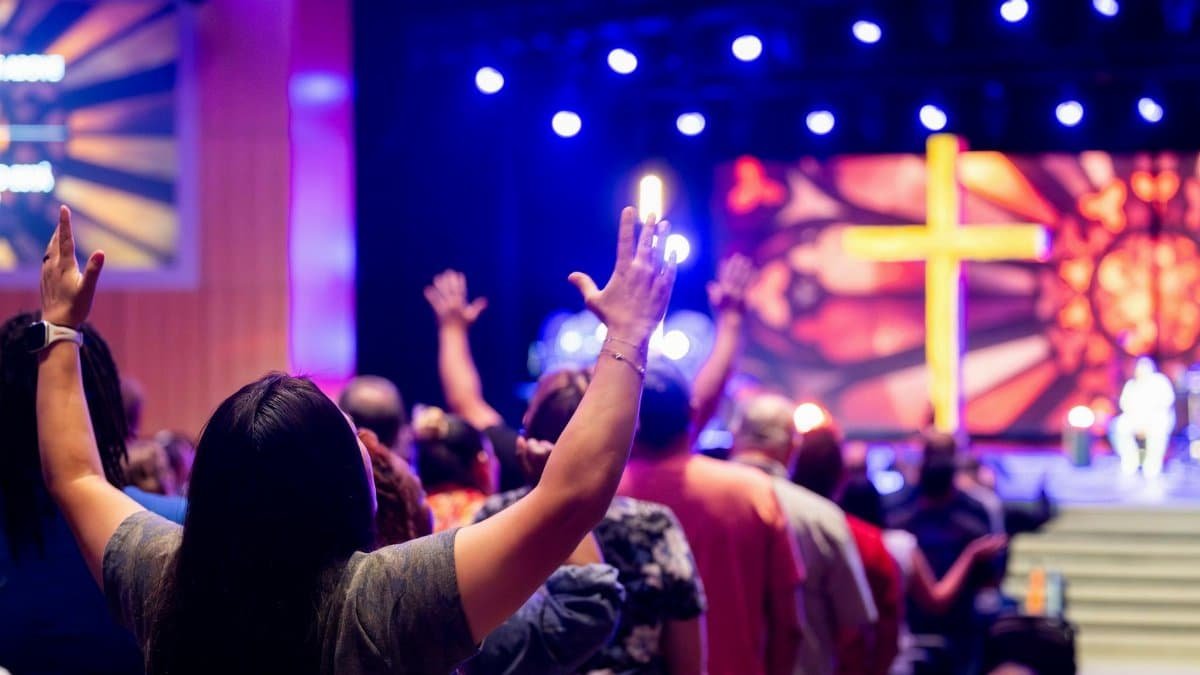
Both emerging campaigns have placed considerable emphasis on partnerships between government and religious organizations. Proposals include pilot programs that connect food banks with job training centers and expanded support for foster care through congregational networks. These ideas resonate with voters who have watched federal programs struggle to deliver personalized help. Advocates point to successful local models where churches have reduced recidivism rates among returning citizens through mentorship grounded in spiritual accountability. Skeptics counter that such initiatives risk blurring the line between church and state yet the conversation itself marks a shift in how Pennsylvanians discuss public service.
The Divide Between Urban And Rural Believers
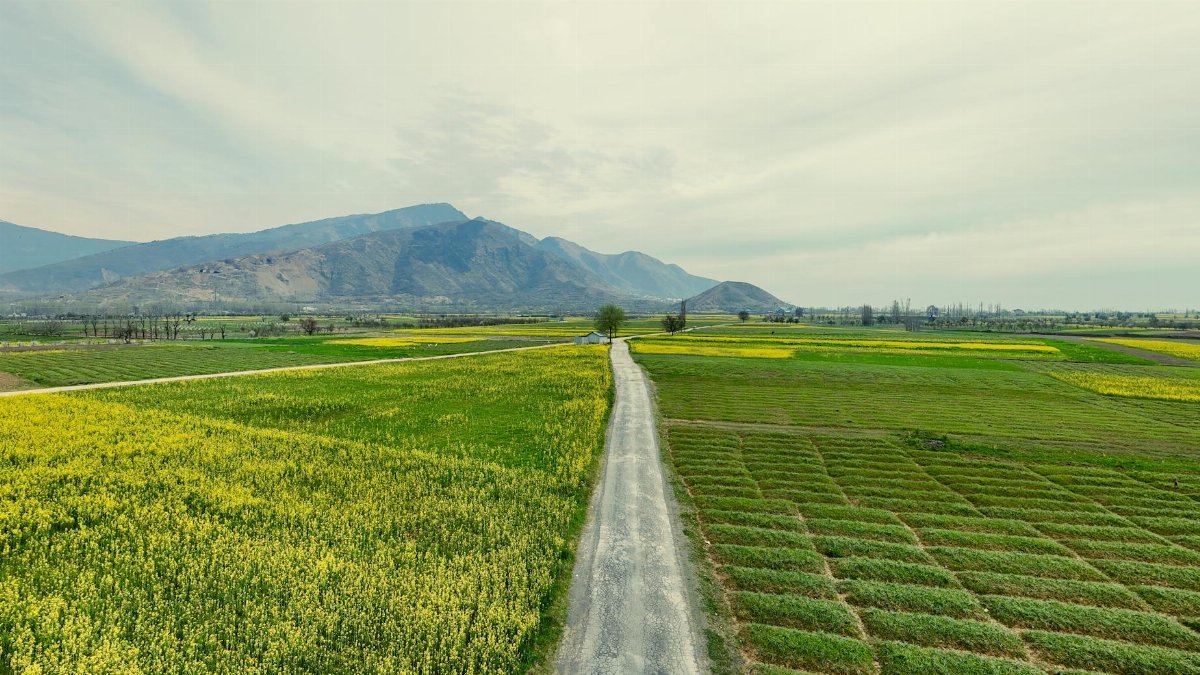
Pennsylvania has long served as a microcosm of the nations tensions and this remains true in spiritual terms. Urban congregations in Philadelphia and Pittsburgh tend to stress social justice and immigrant welcome while rural faith communities prioritize traditional family structures and economic self reliance. The current pennsylvania senate race highlights these differences without descending into caricature. Candidates are attempting to craft messages that honor both perspectives acknowledging that genuine compassion must extend across geographic and cultural boundaries. Bridging this divide represents one of the greatest challenges and opportunities facing the contenders.
Money And Morality In Campaign Funding

Questions of campaign finance have taken on a distinctly ethical tone in recent weeks. Several religious leaders have called for greater transparency in donor disclosure arguing that secret money undermines the public trust essential to democratic health. One candidate has pledged to refuse contributions from industries that conflict with his understanding of stewardship such as certain gambling interests. These stances have sparked debate about whether moral purity tests belong in politics or whether they represent a welcome corrective to cynicism. Observers note that such discussions would have received less attention before the latest candidate announcements brought spiritual considerations to the forefront.
Youth Engagement Through Spiritual Networks

Younger voters who often seem disengaged from traditional politics are showing unexpected interest through faith based channels. Campus ministries and young adult bible studies have become informal organizing hubs. Students cite a desire for politics that addresses climate responsibility not merely as an environmental issue but as a sacred duty to future generations. The campaigns have responded by creating special outreach teams fluent in both scripture and social media. This development suggests that the spiritual dimension of the pennsylvania senate race may have longer term consequences for voter participation patterns extending well beyond the next election cycle.
International Perspectives On American Faith And Politics
Scholars from overseas have begun commenting on the contest noting how it exemplifies a global pattern of renewed intersection between religion and governance. In an era when many democracies grapple with secularization Pennsylvania stands out for its persistent fusion of spiritual conviction and electoral choice. European commentators express both fascination and caution pointing to historical examples where mixing faith and power produced mixed results. Domestically these outside observations have prompted deeper reflection among voters who recognize that the choices made in this race will reverberate beyond state borders influencing how the United States positions itself as a nation of many beliefs.
Personal Stories Driving The Campaign Narratives
At the core of the new candidacies lie powerful personal testimonies. One contender speaks openly about his recovery from substance abuse through a combination of medical treatment and spiritual community. Another shares her experience as a caregiver for aging parents highlighting the need for policies that honor the dignity of all life stages. These narratives humanize the race moving it beyond sound bites into the realm of shared human experience. Journalists covering the campaigns report that attendance at events increases markedly when candidates speak from personal conviction rather than prepared policy briefs. This authenticity appears to be reshaping expectations about what effective leadership requires.
What The Future Holds For Political Spirituality

As the pennsylvania senate race continues to unfold it offers a window into evolving spiritual news and trends. The willingness of voters to consider candidates who speak the language of faith without demanding religious uniformity represents a maturing of public discourse. Whether these developments lead to lasting change or prove temporary will depend on many factors including the ultimate nominees and their ability to maintain ethical consistency. For now the contest stands as a reminder that politics at its best engages not only minds but also the deeper questions of who we are and how we should live together. The coming months will test whether this elevated tone can survive the pressures of a competitive campaign.
The implications extend to the Delaware Valley where economic pressures and cultural shifts create fertile ground for messages that blend practical solutions with spiritual hope. Middle aged citizens who form the backbone of many congregations appear particularly receptive to this approach having lived through periods of both prosperity and uncertainty. Their votes may ultimately determine whether the race produces leaders capable of bridging divides or simply adds another chapter to the nations polarized story.