
**The Sacred Return**
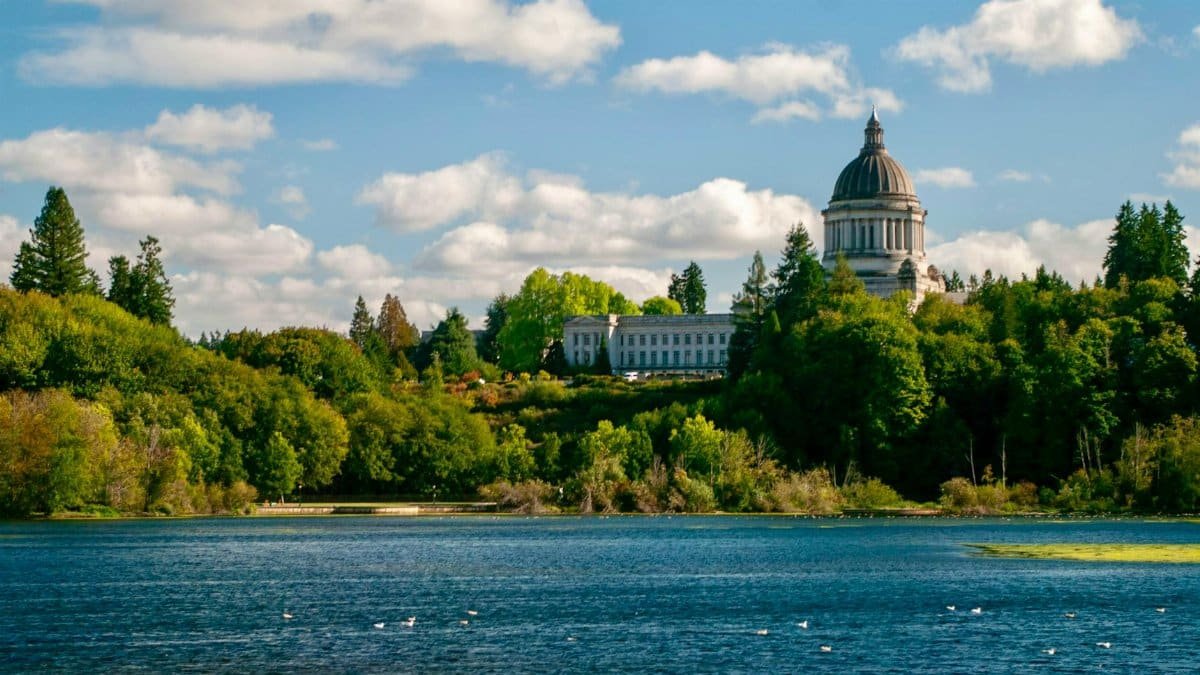
Each autumn, when the first Chinook fight their way up the Nisqually River, tribal members line the banks in quiet reverence. The salmon are not merely fish. They are relatives who have kept a promise older than any treaty. Their return affirms the spiritual order that has guided the Nisqually people since time immemorial. Yet that order is now strained by something as mundane as a line in an old budget document. A decades old legal technicality prevents the tribe from accessing the federal support it needs to maintain its hatchery. The resulting impasse over nisqually tribe hatchery funding has become both a practical crisis and a spiritual one.
The Deep Cultural Bond Between People and Salmon
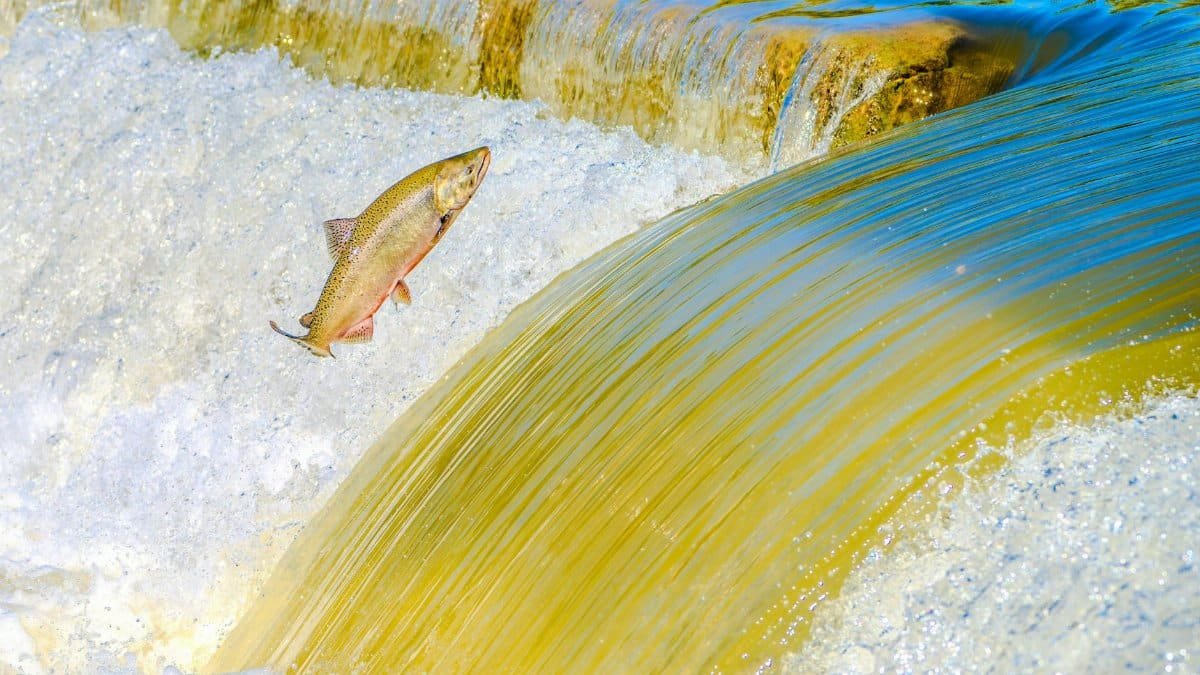
For the Nisqually, salmon are teachers. Creation stories describe how the people agreed to care for the rivers in exchange for the fish’s annual gift of life. Ceremonies mark the first catch. Songs thank the salmon for their sacrifice. When runs weaken, the absence is felt in the longhouse as much as at the dinner table. Elders say the fish carry the spirits of ancestors. To let the runs collapse would be to break faith with those who came before and those yet to come.
The hatchery was built in the late 1970s to uphold that covenant after dams and habitat loss had already thinned the wild runs. It was never meant to replace nature, only to give it a fighting chance. For years the facility operated on a patchwork of grants and tribal funds. Then administrators discovered the original construction documents contained a single sentence that classified the site as a federal project rather than a tribal one. That classification, never corrected, locked the hatchery out of the very funding streams created to help tribes manage their fisheries.
A Technicality Written in Another Time

The restriction dates to an era when federal agencies often treated tribes as temporary wards rather than sovereign governments. A funding authorization passed in 1981 included language that inadvertently barred any project built on former reservation land transferred under a specific public law from receiving ongoing operational support. Lawyers have spent years trying to untangle the language. Each time they reach the same conclusion: only an act of Congress can change it.
This is not an isolated bureaucratic error. Similar wording has surfaced in disputes involving other treaty tribes, yet the Nisqually case stands out because the river itself bears the tribe’s name. The contradiction feels especially sharp. A people defined by their river cannot secure the means to protect it because of a forgotten clause written when few lawmakers had ever visited the Pacific Northwest.
What the Funding Shortfall Looks Like on the Ground

Without stable federal support the hatchery relies on emergency allocations, small foundation grants, and whatever the tribal budget can spare. Equipment purchased in the 1990s still runs because there is no money to replace it. Staff positions remain unfilled. Water quality monitoring has been scaled back. Each of these cuts ripples outward. Fewer healthy smolts are released. Fewer adults return years later. The spiritual cycle the hatchery was built to protect grows more fragile.
Tribal biologists speak of the quiet anxiety that accompanies each spawning season. They know the fish they release are strong, yet they also know the odds have been stacked against them by forces beyond the river. The lack of consistent nisqually tribe hatchery funding means decisions are driven by immediate survival rather than long term vision.
Elders Remember When the River Ran Thick

Chairman Willie Frank III recalls boyhood mornings when the river appeared to move as one silver body. His grandfather would point to the water and say the salmon were bringing news from the ocean. Those stories are still told, but the numbers no longer match the memories. Frank and other elders see the legal barrier as more than policy failure. They describe it as a continuation of broken promises that began with the Treaty of Medicine Creek in 1854.
Yet the elders also emphasize resilience. The Nisqually have survived termination attempts, flooding, and the loss of traditional fishing grounds. Many believe the current struggle fits an older pattern in which the people are asked to prove their worthiness before justice is granted. Their patience, however, is not unlimited.
The Spiritual Cost of Diminished Runs

When salmon numbers drop, ceremonies lose their focal point. Feasts that once celebrated abundance now carry an undercurrent of worry. Young people ask why the old songs no longer seem to work. Teachers find it harder to pass on traditional knowledge when the central symbol grows scarce. The river, long viewed as a living relative, begins to feel distant.
Restoring reliable funding is therefore viewed inside the community as a form of spiritual repair. It would allow the tribe to modernize the hatchery, improve habitat restoration projects, and expand education programs that connect youth to the water. These are not separate goals. In the Nisqually worldview, healthy fish, healthy land, and healthy people form a single covenant.
Legislative Efforts Gain Momentum
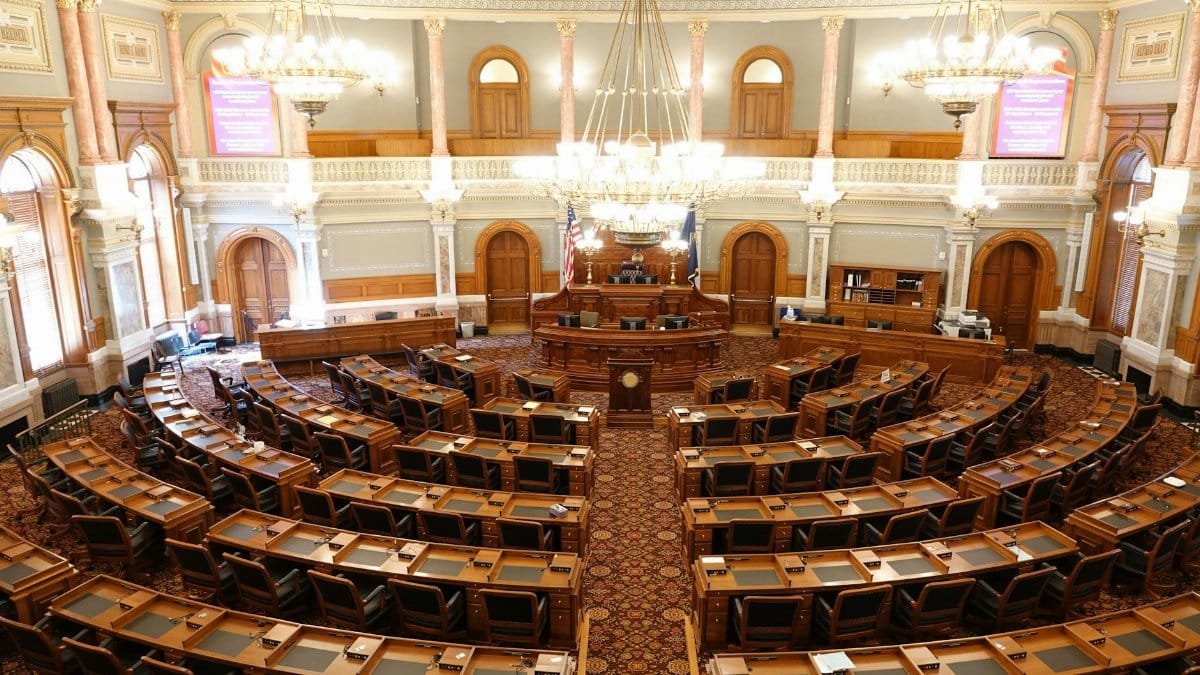
Representative Derek Kilmer and Senator Patty Murray have introduced legislation that would strike the offending language and open eligibility for standard hatchery funding. The bills have bipartisan support, a rarity in today’s Congress. Tribal leaders have traveled to Washington, D.C., bringing jars of smoked salmon and stories of children who have never seen a traditional dip net used at full capacity.
The proposed fix is modest in dollar terms yet profound in consequence. It would not create new spending. It would simply allow the Nisqually to compete for funds already allocated to similar programs. Congressional staff describe the measure as a technical correction, but for the tribe it represents something closer to recognition.
Other Tribes Have Faced Parallel Battles

The Suquamish and Tulalip tribes encountered comparable funding obstacles in the 1990s. Both eventually secured legislative remedies after years of advocacy. Their experiences offer both hope and caution. Legal success did not automatically restore runs. It merely removed one barrier so that habitat work, pollution control, and careful hatchery management could proceed with adequate resources.
The Nisqually case carries extra weight because the river drains the southern slopes of Mount Rainier, a place of particular spiritual importance. What happens here is watched by tribes across the Salish Sea. A victory would signal that even the most obscure administrative barriers can be overcome when tribes speak with one voice.
Climate Change Adds New Urgency

Warming waters already stress salmon at every life stage. Scientists predict further declines unless cold water refuges are expanded and hatchery practices adapt quickly. The Nisqually hatchery sits at a strategic point where early intervention can still make a difference. Yet the same legal cloud that limits funding also complicates partnerships with state and federal agencies eager to collaborate on climate resilience.
Tribal biologists have developed sophisticated plans that integrate traditional ecological knowledge with modern genetics. They simply lack the consistent resources to implement those plans at the necessary scale. The spiritual teachings are clear: humans must meet the salmon halfway. The current funding lockout makes that meeting harder to arrange.
Community Initiatives Bridge the Gap

While leaders press the case in Congress, Nisqually families continue their own work. Students monitor water temperatures. Families clear invasive plants from tributary streams. Artists incorporate the salmon’s journey into new paintings and regalia. These efforts remind everyone that sovereignty is practiced daily, not only in courtrooms or hearing rooms.
A small nonprofit formed by tribal members has begun raising private funds to upgrade parts of the hatchery. The group’s name translates roughly as “We Still Carry the Promise.” Their quiet determination reflects the practical spirituality that has always defined the community. They refuse to let a bureaucratic sentence written before most of them were born dictate the future of the river.
A Path Toward Restoration

The bills now before Congress represent more than an opportunity to fix one hatchery’s budget. They offer a chance to align federal policy with the reality of tribal sovereignty and the urgent needs of a changing climate. For the Nisqually, success would mean more than additional dollars. It would mean the ability to fulfill their ancient responsibilities without having to beg for permission.
The salmon have kept their side of the bargain, returning each year against steep odds. The question now is whether lawmakers will finally remove the technicality that prevents the tribe from fully keeping theirs. In the longhouses along the Nisqually River, the old songs are still sung. The hope is that one day soon they will be accompanied by the sound of a healthy run moving upstream, proof that the covenant remains intact.
The resolution of this nisqually tribe hatchery funding issue will not make headlines in most parts of the country. Yet for those who understand the connection between healthy rivers and healthy communities, the stakes could hardly be higher. A people’s spiritual relationship with the natural world hangs in the balance, waiting for a technicality to be erased so that the real work of restoration can continue.