
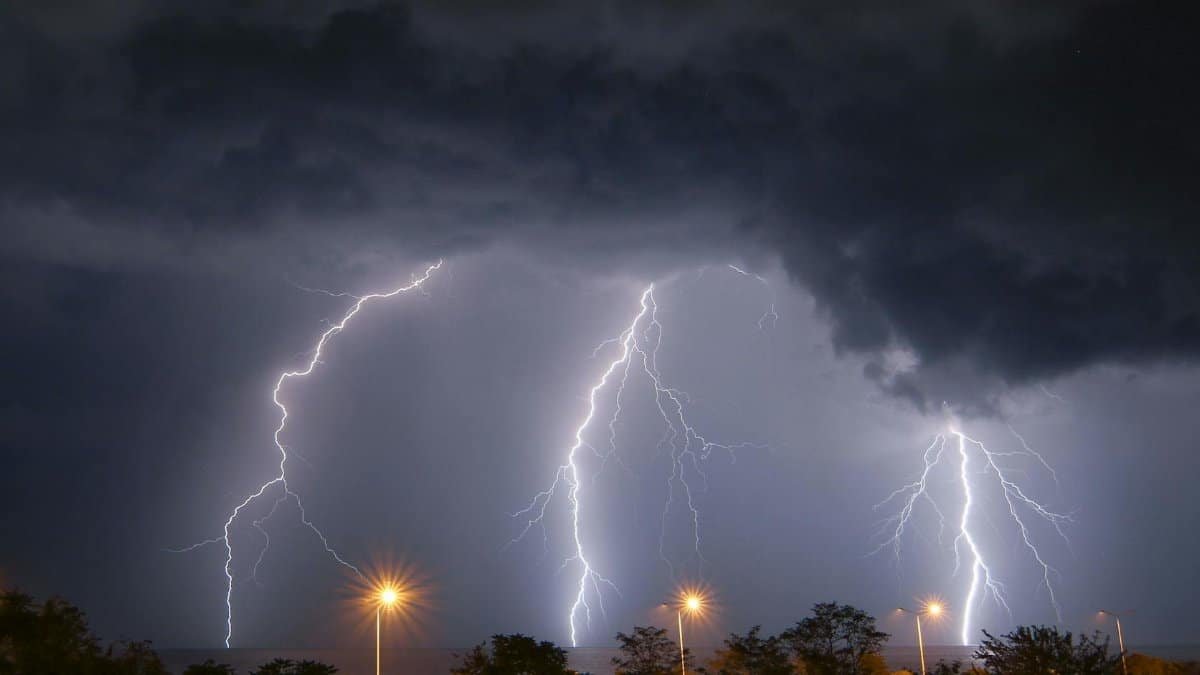
As dark clouds begin to gather over the Minnesota horizon this Monday, residents of Minneapolis and St. Paul are bracing for what forecasters describe as a significant weather event. Meteorologists warn that twin cities severe thunderstorms could bring damaging winds, large hail, torrential rain and a heightened risk of tornadoes throughout the afternoon and evening. For many in the region this is more than a forecast. It stirs something deeper, a reminder of human vulnerability before the vast forces of nature and an opportunity to reflect on what such moments reveal about community, faith and resilience. Churches are adjusting schedules while families review safety plans. The atmosphere carries both practical urgency and a quieter invitation to consider lifes larger questions. In a region known for its stoic endurance, this approaching storm system prompts fresh conversations about preparation that encompass both the physical and the spiritual.
The Imminent Threat to the Twin Cities
Emergency management officials have issued clear warnings as conditions align for intense weather. The National Weather Service anticipates that the most dangerous window will open between 2 pm and 10 pm. Wind gusts could exceed 60 miles per hour in some locations while hail the size of golf balls remains possible. A few supercell thunderstorms may develop, raising the tornado threat to moderate levels according to current models. The Star Tribune first reported these details drawing attention from across the metropolitan area. Local broadcasters have urged residents to identify safe spaces in their homes and to stay informed through reliable sources rather than relying solely on social media updates.
Understanding the Meteorological Setup
Atmospheric conditions feature a strong cold front moving through a warm humid air mass. This classic setup fuels rapid thunderstorm development. Wind shear in the upper levels of the atmosphere adds rotation potential to developing cells. Meteorologists note that such patterns have become slightly more variable in recent decades though pinning specific events to broader climate shifts requires careful analysis. What matters most on this particular Monday is the immediate risk to life and property across the Twin Cities metro. Officials emphasize that even a brief period of severe weather can down power lines flood roadways and disrupt daily routines for days afterward.
Spiritual Perspectives on Natures Power

Throughout history storms have prompted people to grapple with questions of control and humility. Many faith traditions view powerful weather as a force that transcends human schedules and invites reflection on dependence. In Jewish Christian and Muslim teachings alike references to tempests often illustrate both divine majesty and the call to care for one another. Local clergy report increased inquiries in recent days as the forecast intensified. Some describe the approaching system as a natural sacrament a visible sign of powers greater than ourselves that can realign priorities in unexpected ways. Rather than assigning blame these leaders encourage communities to respond with compassion and attentiveness.
Local Faith Leaders Offer Guidance

Pastors rabbis and imams across the metro have woven the weather into their messages this weekend. At Westminster Presbyterian Church leaders reminded congregants of the biblical account of Jesus calming the sea inviting listeners to cultivate inner stillness amid outer chaos. Similar themes emerged at St Paul Cathedral and at the Islamic Center of Minnesota where sermons emphasized preparedness as a form of stewardship. One minister suggested that severe weather can function as a shared teacher reminding diverse communities of their common fragility and their shared capacity for kindness. Several congregations plan to keep prayer lines open through the evening while offering emergency shelter if conditions deteriorate.
Historical Storms and Enduring Lessons
The Twin Cities have faced memorable weather events before. The tornado outbreak of 1965 left lasting marks on neighborhoods and collective memory. More recently the derecho of 2020 demonstrated how quickly infrastructure can fail and how effectively neighbors can respond. Survivors of those events often speak of discovering unexpected reserves of strength and connection. These stories surface again as the current forecast takes shape. Older residents particularly those who remember the storms of the 1970s and 1980s share practical wisdom with younger families. Their accounts frequently blend meteorological detail with reflections on the spiritual grounding that helped them endure.
Preparing Both Body and Spirit

Practical steps remain essential. Residents should secure outdoor objects charge electronic devices and prepare an emergency kit containing water nonperishable food medications and important documents. Equally important many find value in simple spiritual practices. Setting aside time for quiet reflection lighting a candle or reading sacred texts can foster calm when anxiety rises. Mental health professionals note that weather related stress can compound existing pressures especially for those already facing economic or health challenges. Combining practical readiness with intentional spiritual practices often yields a more balanced response.
The Role of Community in Crisis
One consistent finding across disaster research is the centrality of social connection. When severe weather strikes the Twin Cities the response tends to reveal the best aspects of Minnesota culture. Churches mosques and synagogues frequently become distribution points for supplies and information. Neighbors check on one another particularly the elderly and those with mobility limitations. This pattern of mutual care carries spiritual significance in many traditions that emphasize love of neighbor as a primary commandment. Current forecasts give the community time to strengthen these bonds before the storm arrives rather than waiting until after damage occurs.
Climate Trends and Questions of Stewardship
While scientists caution against attributing any single storm to long term climate change they note that warmer atmospheric temperatures can hold more moisture potentially intensifying rainfall. Faith based environmental groups in Minnesota have increasingly framed climate responsibility as a spiritual imperative. Organizations such as Minnesota Interfaith Power and Light encourage both policy advocacy and personal choices that reflect care for creation. The approaching weather system provides an opportunity to hold two truths at once. Immediate safety must come first while broader reflection on humanitys relationship with the natural world deserves ongoing attention. A link to recent analysis from the Pew Research Center on faith and climate views offers additional context for those interested in these intersections.
Voices From the Front Lines

Emergency manager Carla Jensen described the current setup as one that demands respect but not panic. In an interview she noted that timely preparation dramatically reduces injury risk. Meanwhile National Weather Service meteorologist Tom Schmidt highlighted the importance of having multiple ways to receive alerts including weather radios and smartphone applications. These professionals work long hours during such events often missing time with their own families. Their dedication mirrors the commitment seen in faith communities where volunteers stand ready to assist however needed. This convergence of scientific expertise and spiritual motivation creates a robust safety net for the region.
Finding Meaning Without Resorting to Clichés

Avoiding simplistic explanations remains important. Not every storm carries a specific message yet every storm can prompt meaningful questions. How do we live with greater awareness? How do we support those most at risk? How do we balance respect for nature with confidence in human ingenuity? These inquiries surface repeatedly in conversations across the metro this week. Middle aged residents many of whom balance careers caregiving and community involvement often find that severe weather strips away distractions and refocuses attention on what matters most. The resulting clarity while sometimes uncomfortable can prove valuable long after the skies clear.
Staying Informed and Centered

As Monday unfolds the most helpful approach combines vigilance with perspective. Monitor updates from official sources. Maintain contact with family and neighbors. Allow room for prayer meditation or simple gratitude practices that anchor the spirit. Should the twin cities severe thunderstorms deliver the full force currently anticipated the region will once again demonstrate its capacity for recovery and mutual support. In the meantime the atmosphere itself seems to call for a measured thoughtful response that honors both the latest meteorological data and the deeper human need for meaning connection and hope. The hours ahead will test preparations both practical and spiritual yet they also offer an opportunity to remember that even powerful storms eventually pass leaving space for renewal.
The original reporting on these developments can be found at the Star Tribune through their detailed coverage of regional weather threats. Additional resources on community resilience are available from local emergency management agencies and various faith based organizations working throughout the Twin Cities metro.