
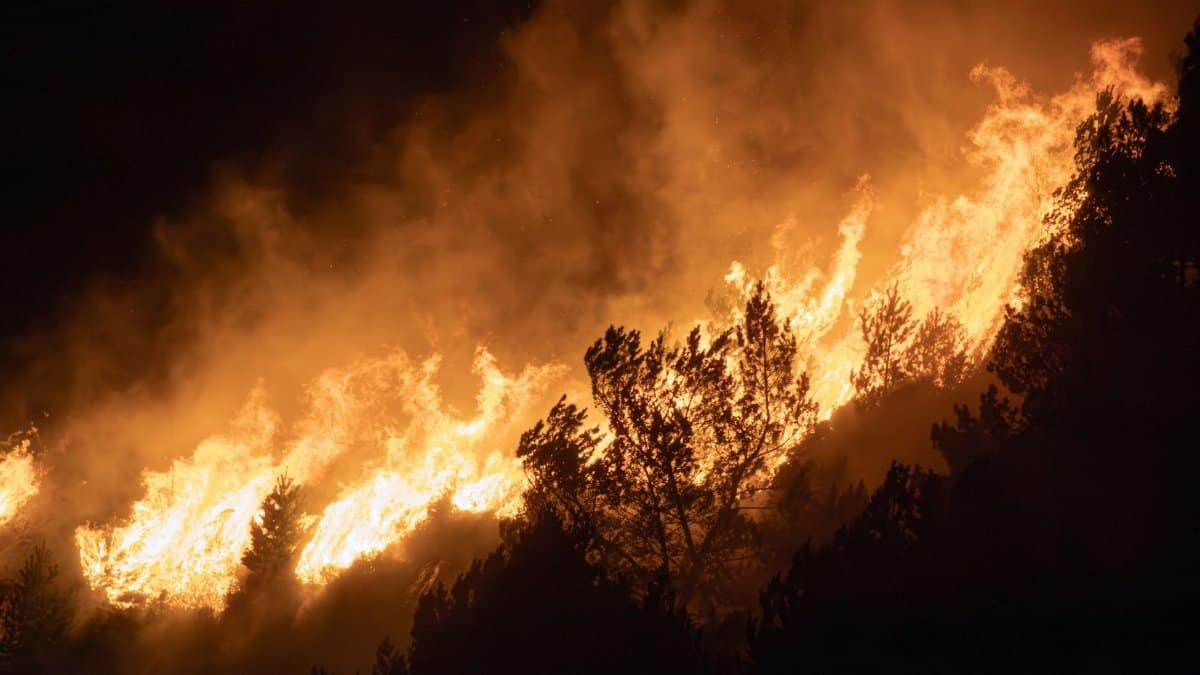
As summer heat intensifies across the Rockies and forests turn brittle under clear skies residents watch the horizon with growing unease. Forecasts point to elevated risks that could make Colorado Wildfire Season the most destructive since 2020 when flames raced through thousands of acres. State officials urge homeowners to inspect roofs and maintain defensible space while meteorologists track wind shifts that often accelerate spread. The situation draws attention from insurance firms and land managers alike who see familiar warning signs in the current dryness.
Weather Trends Shaping Outcomes
Persistent high pressure systems have limited rainfall since early spring leaving soils parched and trees stressed. Experts note that similar setups preceded intense fire activity in prior years prompting daily briefings at emergency centers. Wind events during afternoons add further volatility as gusts can carry embers long distances over ridges.
Community Preparations Underway
Local fire departments conduct drills and distribute information packets door to door in mountain towns. Volunteers clear brush along access roads while schools rehearse relocation procedures. These steps reflect lessons from earlier events when rapid response limited losses in populated areas.
Ecological Shifts Observed

Forests show signs of beetle damage that weakens trees and creates fuel ladders. Scientists monitor bark beetle populations alongside moisture levels to gauge how vegetation might respond once ignition occurs. Such changes alter traditional burn patterns and complicate containment efforts.
Insurance Industry Responses

Carriers review policies in high risk zones and adjust rates based on updated risk models. Homeowners receive checklists for mitigation that can influence coverage decisions. This sector plays a quiet yet central role in recovery when fires do occur.
State Policy Adjustments

Lawmakers consider funding increases for aerial resources and additional seasonal crews. Discussions focus on coordination between agencies to speed mutual aid during peak periods. Past seasons demonstrated that early resource allocation often determines final acreage burned.
Resident Perspectives Shared

Longtime locals describe anxiety that returns each year as forecasts worsen. Many have installed sprinkler systems or relocated prized belongings to lower elevations. Their accounts highlight the personal dimension behind statistics reported in news summaries.
Research Efforts Expanded

Universities deploy sensors in remote canyons to gather real time data on humidity and wind. Findings feed into predictive tools used by command teams. Continued investment in such studies aims to narrow uncertainty around ignition timing.
Regional Comparisons Drawn
Neighboring states report parallel dryness though terrain differences affect fire behavior. Colorado officials exchange tactics with counterparts to refine approaches suited to local topography. Shared challenges foster cooperation across boundaries.
Recovery Planning Discussed

After action reviews emphasize debris removal and erosion control to protect watersheds. Nonprofits coordinate volunteer networks ready to assist with replanting once flames subside. These measures seek to shorten the interval between disaster and restoration.
Looking Ahead With Caution
Officials stress that outcomes remain uncertain until autumn rains arrive. Continued vigilance and adherence to guidelines offer the best path to minimizing harm. Public updates will continue through established channels as conditions evolve.