
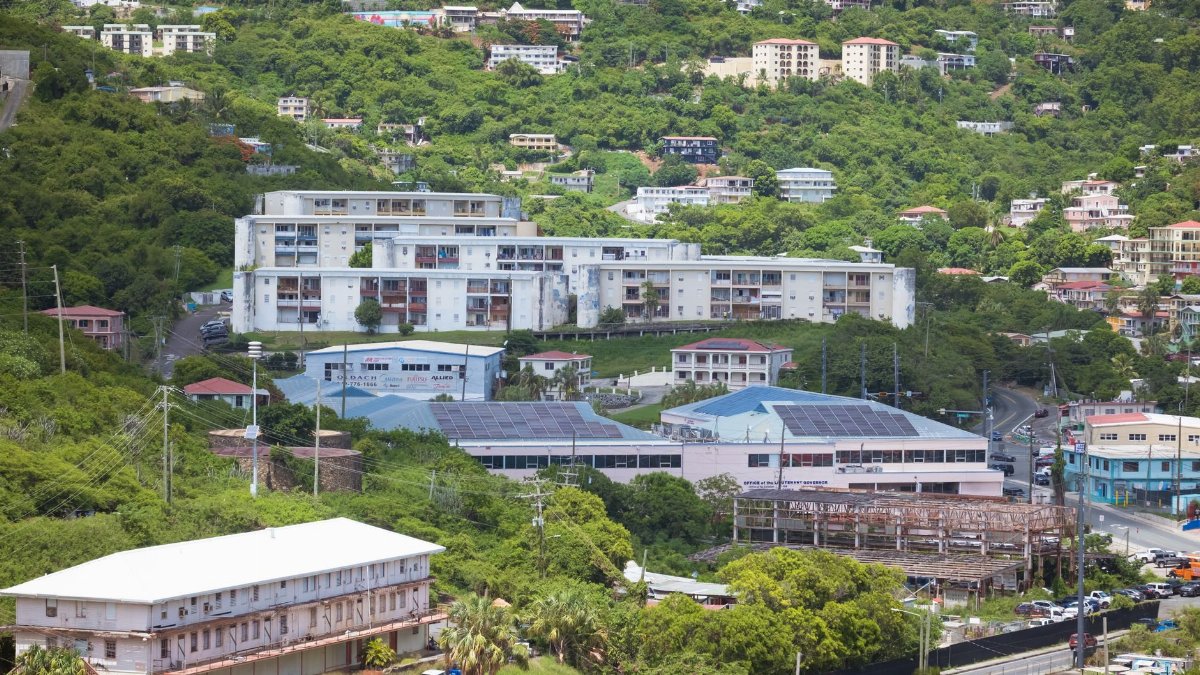
A federal agency based in the United States has unveiled plans to extend its investment programs throughout the Caribbean islands and coastal nations. The announcement came on July 13, 2026 and highlights fresh avenues for economic collaboration between American entities and regional partners. Observers note that such steps could reshape trade patterns and foster stability in areas long influenced by external powers. This expansion reflects broader strategies aimed at strengthening ties in the hemisphere. Caribbean Investment U.S. stands to benefit from these initiatives as private companies explore new markets.
Agency Background and Mandate

The agency operates under federal guidelines that prioritize sustainable projects across multiple sectors. Its core mission centers on supporting infrastructure that can withstand environmental pressures while delivering measurable returns for investors. Officials have emphasized partnerships that respect local governance structures and encourage knowledge sharing among participants.
Regional Economic Growth Prospects
Several Caribbean nations stand to gain from increased capital flows into tourism facilities and agricultural upgrades. Analysts project steady job creation in coastal communities where small businesses have struggled with limited access to financing. These developments could gradually lift living standards without overwhelming fragile ecosystems that define the region.
Private Sector Engagement Opportunities

American firms with expertise in renewable energy and logistics are positioned to form alliances with local operators. Such collaborations often involve joint ventures that blend technical know how from abroad with on the ground insights from Caribbean entrepreneurs. Early interest has surfaced from companies focused on port modernization and digital connectivity.
Policy Framework Supporting Expansion
Recent adjustments in federal regulations have streamlined approval processes for overseas commitments. These changes aim to reduce bureaucratic hurdles that previously slowed project launches. Policymakers stress the importance of transparency measures to maintain public trust in the allocation of resources.
Challenges in Implementation

Logistical barriers such as varying regulatory environments across islands require careful navigation. Currency fluctuations and supply chain disruptions also pose risks that demand adaptive planning from all involved parties. Success will hinge on building resilient networks capable of adjusting to unforeseen events.
Environmental Considerations in Projects

Investment plans incorporate assessments to minimize impacts on marine habitats and coastal zones. Agencies are requiring environmental reviews as standard procedure before funds are disbursed. This approach seeks to balance economic gains with preservation of natural assets vital to tourism and fisheries.
Future Outlook for Bilateral Ties

Continued momentum could lead to expanded exchanges in education and technology transfer. Stakeholders anticipate that initial projects will serve as models for wider adoption throughout the Caribbean basin. Sustained commitment from both sides remains essential for realizing long term benefits.