
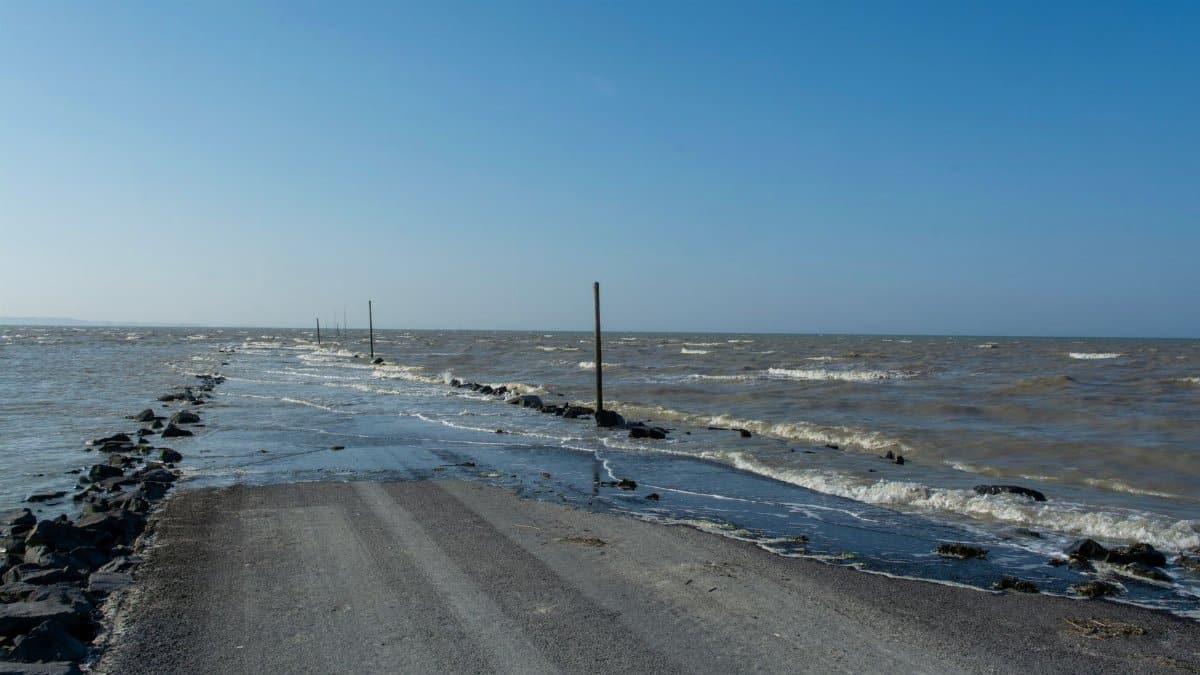
Communities along American shores have long measured their safety by the rhythm of tides and seasons. Yet a new pattern has emerged in which familiar streets turn into canals after storms that once passed with little notice. This shift traces directly to Climate Coastal Floods that now arrive with greater frequency and force. Residents in places like Norfolk and Miami find themselves weighing evacuation plans against the cost of elevating homes that their families have owned for generations.
Understanding the Drivers Behind Increased Flood Events
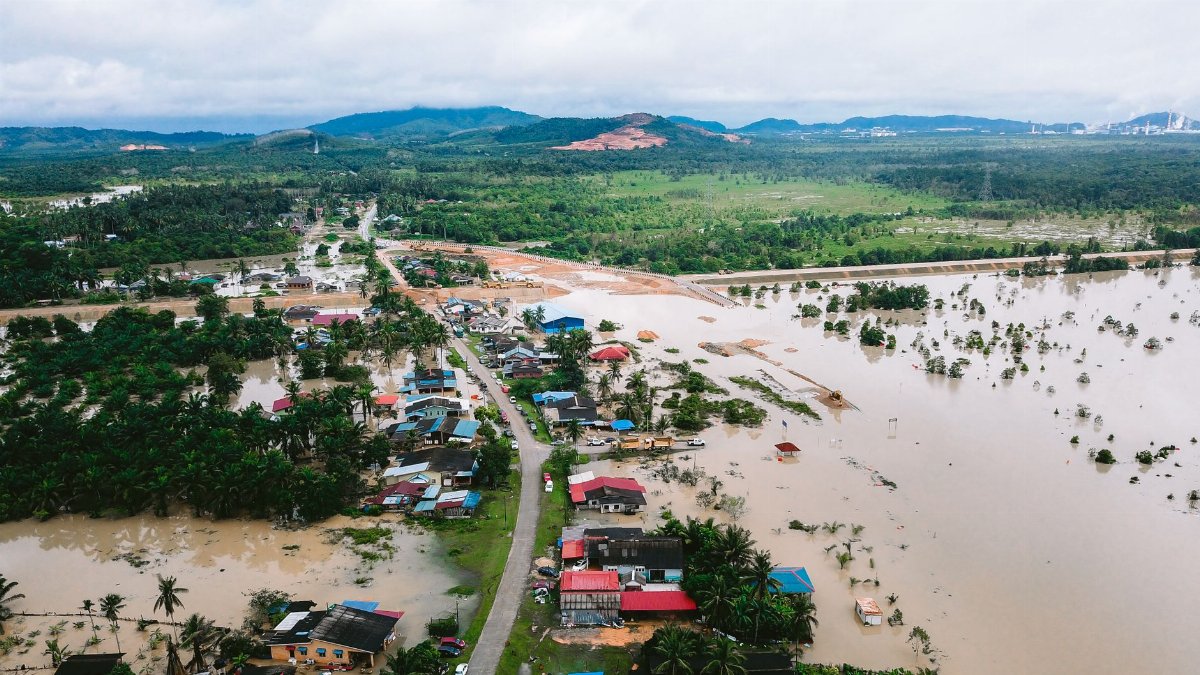
Scientists point to warmer ocean temperatures as a central factor. These temperatures feed stronger storms and expand seawater volume. The result is higher baseline water levels that turn moderate rainfall into widespread inundation. Data from federal agencies show measurable acceleration in the past two decades across the Atlantic and Gulf coasts.
Regional Differences in Vulnerability
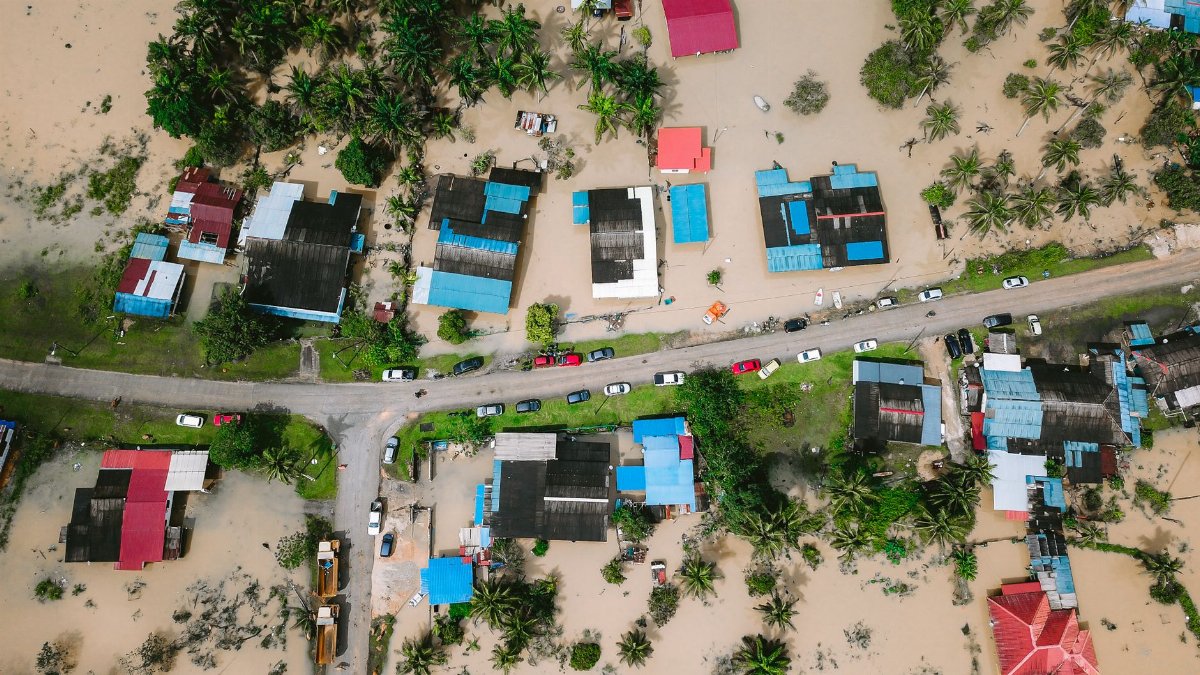
Not every coastline faces identical exposure. Low lying areas with minimal natural barriers experience the earliest effects. In contrast, locations with wide wetlands or robust dunes retain some protection for now. Local topography and human development patterns determine how quickly water spreads inland during peak events.
Effects on Daily Life and Property Values

Homeowners report repeated disruptions from flooded roads that block commutes and school access. Insurance rates have climbed in tandem with these incidents. Some families choose to relocate while others invest in pumps and barriers that offer only temporary relief. Property assessments in affected zip codes reflect growing buyer hesitation.
Adaptation Measures Adopted by Cities

Local governments have begun installing elevated roadways and improved drainage networks. A few have purchased repetitive loss properties to convert them into open space that absorbs water. These steps require sustained funding and political commitment that not every jurisdiction can maintain over multiple election cycles.
Role of Federal Policy and Funding

National programs supply resources for major infrastructure upgrades yet often lag behind the pace of observed change. Grant applications demand extensive documentation that smaller towns struggle to compile. Recent legislation has aimed to streamline approvals but implementation details remain under review.
Community Stories of Resilience

In one North Carolina neighborhood residents formed volunteer teams to monitor water gauges and share real time alerts. Their efforts complement official forecasts and foster a sense of collective responsibility. Similar groups have appeared in other states where official response times proved insufficient during surprise surges.
Long Term Projections and Planning Horizons

Models suggest continued acceleration unless global emissions decline sharply. Planners therefore work with scenarios that span thirty to fifty years rather than shorter budget cycles. This extended view influences decisions about where to site new schools hospitals and utilities.
Connections to Broader Environmental Shifts

Coastal flooding interacts with other changes such as saltwater intrusion into aquifers and wetland loss. These linkages amplify pressure on drinking water supplies and fisheries that support regional economies. Observers note that isolated solutions rarely address the full set of interacting stresses.