
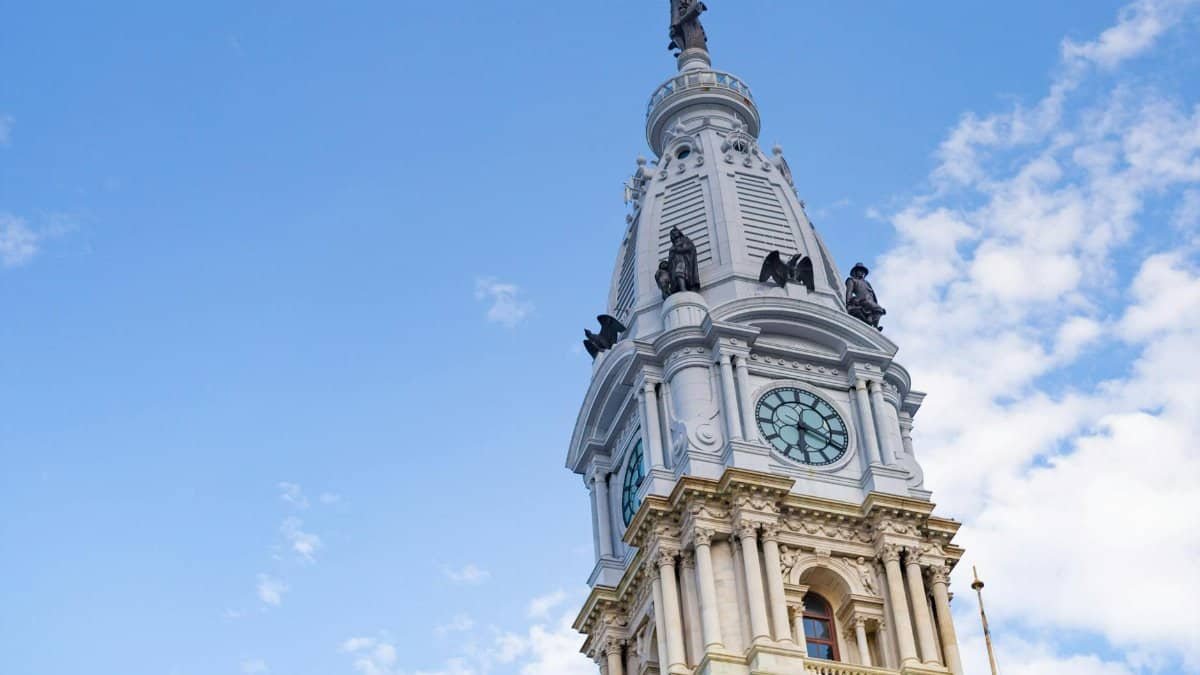
In the heart of a city known for its resilience and rich history, residents are turning their attention to a rare opportunity for collective voice. The philadelphia public hearing announced by municipal leaders stands as more than an administrative event. It signals a deliberate invitation for everyday people to shape policies that touch housing, public safety, education, and neighborhood vitality. Many faith communities view the gathering through a deeper lens, seeing it as a chance to embody values of justice, compassion, and shared stewardship. Church groups, interfaith coalitions, and spiritual leaders have begun organizing workshops and prayer circles to prepare testimony that reflects both practical needs and moral vision. This moment arrives at a time when trust in institutions has wavered, making authentic listening all the more necessary.
The Spiritual Call to Civic Action
Across Philadelphia neighborhoods, pastors and rabbis speak of civic participation as a sacred duty. They draw from ancient traditions that call believers to speak for the vulnerable and seek the welfare of the city. In this context the philadelphia public hearing becomes a modern expression of that calling. Rather than passive observers, residents are encouraged to see themselves as co creators of a more humane urban landscape. Spiritual mentors remind congregations that silence in the face of inequity carries its own weight. Instead they urge thoughtful engagement grounded in prayerful discernment. This perspective resonates with middle aged residents who remember earlier eras of community activism and now seek to pass on those values to younger generations.
Faith Communities Mobilize Their Members
Local congregations have responded with remarkable energy. From storefront churches in Kensington to historic parishes in Society Hill, organizing efforts are underway. Some groups offer training sessions on how to deliver concise public comments while others focus on the emotional and spiritual preparation required to address city officials with both respect and conviction. Interfaith alliances have formed to ensure diverse spiritual voices reach the microphone. These coalitions recognize that issues like affordable housing and access to green spaces carry moral dimensions that transcend political talking points. The mobilization reflects a belief that authentic community input can plant seeds for lasting renewal.
Core Issues Expected to Surface

City officials indicate the hearing will focus on several interconnected challenges. Participants will likely address the persistent shortage of affordable homes, the need for improved public transit, and strategies to support small businesses in recovering neighborhoods. Questions of environmental justice also loom large, particularly in areas burdened by industrial legacies. Educational equity and youth opportunity programs are anticipated to draw substantial comment. For many middle aged Philadelphians raising families or caring for aging parents, these topics carry immediate weight. They speak not only of policy but of the daily realities that shape human dignity and spiritual health.
Historical Echoes of Public Participation
Philadelphia has long served as a laboratory for democratic experiment. From the revolutionary gatherings of the eighteenth century to twentieth century civil rights hearings, public testimony has repeatedly altered the citys trajectory. Current leaders reference this heritage as they prepare for the upcoming session. Older residents recall earlier hearings that led to landmark reforms in policing and housing. They approach this new gathering with a mixture of hope and hard earned skepticism. The spiritual communities that endured those decades emphasize the need for persistence. They teach that meaningful change often requires decades of consistent witness.
What to Anticipate on the Day of the Hearing
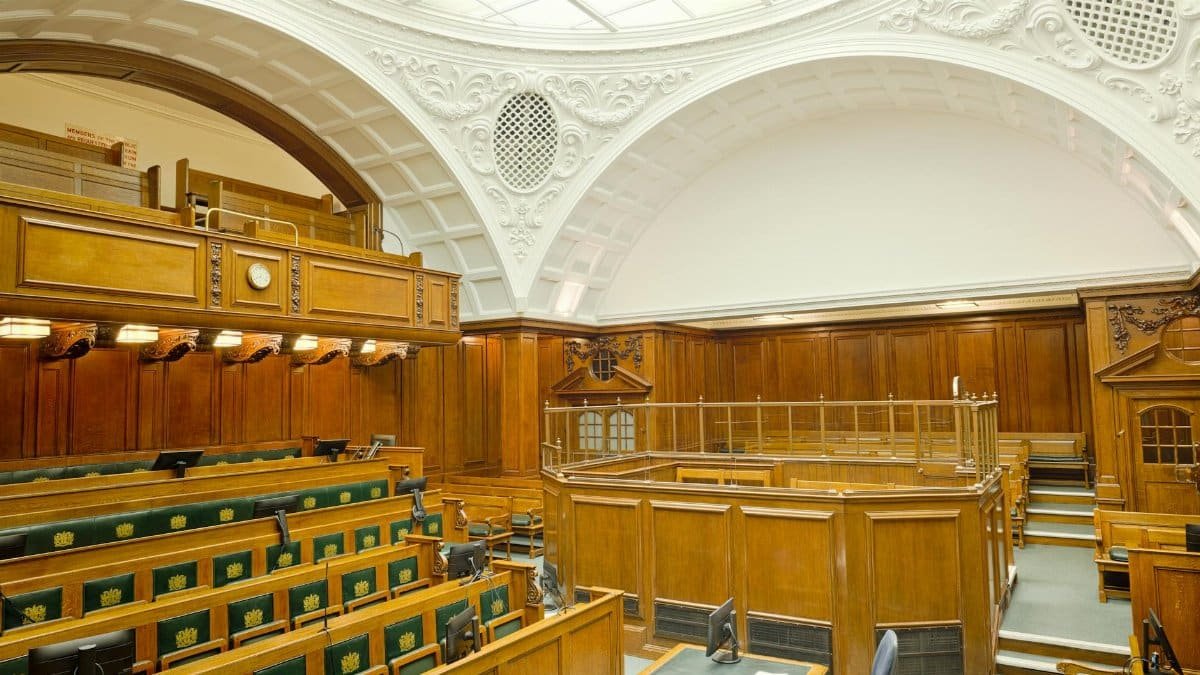
Organizers describe the philadelphia public hearing as a joint session involving multiple city departments working in tandem. The format will allow both written submissions and spoken comments during allotted time slots. Translation services and childcare will be available to broaden access. Officials promise to record every testimony and provide regular updates on how community input influences final recommendations. Security will be present but city spokespeople stress an atmosphere of mutual respect. For those attending for the first time, preparation materials are circulating through libraries, community centers, and houses of worship.
Voices Already Emerging from Neighborhoods
Early conversations reveal common themes. A mother from North Philadelphia describes her desire for safer walking routes to school so children can thrive physically and spiritually. A retired teacher from West Philadelphia calls for greater investment in after school programs that nurture both intellect and character. Small business owners speak of the need for equitable access to development funds. These personal stories carry emotional power that data alone cannot convey. Spiritual leaders plan to weave these narratives into broader reflections on the common good, hoping to elevate the discussion beyond competing interests.
The Role of Prayer and Contemplation
In the weeks leading to the hearing many congregations have added special prayer intentions focused on civic wisdom and compassionate governance. Some groups gather for lectio divina using scriptural passages about justice and hospitality. Others host listening circles where participants practice the art of truly hearing one another before formulating their public comments. This spiritual preparation aims to cultivate both courage and humility. Middle aged participants often remark that such practices help them approach tense civic conversations with clearer minds and less reactive hearts. The integration of contemplation and civic duty offers a distinctive contribution to public discourse.
Potential Outcomes and Their Deeper Meaning

City administrators have pledged to publish a detailed summary of themes heard during the philadelphia public hearing within sixty days. Follow up sessions may address specific policy areas that generate substantial interest. For faith communities the true measure of success extends beyond bureaucratic checkboxes. They seek evidence that decision makers absorbed the moral weight of the testimony. Will the final plans reflect concern for those living on societys margins? Will they honor the spiritual conviction that every neighborhood deserves conditions conducive to human flourishing? These questions linger as the hearing date approaches.
Lessons for Urban Centers Nationwide
Observers from other cities watch Philadelphia with interest. The deliberate inclusion of spiritual communities in civic processes offers a model that transcends typical interest group politics. When people of faith engage publicly from a place of moral vision rather than narrow self interest, the tone of debate can shift. Scholars who study urban dynamics note that cities with strong interfaith cooperation often demonstrate greater resilience during times of stress. Philadelphia now has an opportunity to show what happens when municipal government creates space for such collaboration at the highest levels of planning.
A Moment for Healing and Collective Renewal

Beyond specific policy outcomes, many see the hearing as a chance for the city to experience a form of collective healing. Decades of economic shifts, racial tensions, and political division have left scars. Public testimony that honors pain while envisioning possibility can serve a therapeutic as well as practical purpose. Spiritual traditions emphasize the power of speaking truth in community as the first step toward reconciliation. If conducted with genuine listening, this philadelphia public hearing could mark the beginning of a new chapter in which residents feel genuinely invested in their citys direction. The coming weeks will reveal whether that promise materializes.
Practical Steps for Those Planning to Attend

Community organizations offer straightforward guidance for first time participants. They recommend keeping comments focused, respectful, and limited to three minutes. Providing written copies helps officials review testimony later. Many suggest practicing with friends or family beforehand to build confidence. For those unable to attend in person, options for remote participation and emailed comments will be available. The emphasis remains on quality over quantity. A single story offered with clarity and sincerity often carries more weight than a lengthy list of demands. Spiritual advisors encourage speakers to ground their words in personal experience rather than abstract ideology.
As the date draws near, the atmosphere in Philadelphia carries a distinctive blend of nervousness and expectancy. Middle aged residents who have seen numerous cycles of hope and disappointment still choose to show up. Their persistence reflects a deep seated belief that democratic processes, when infused with moral imagination, retain power to improve lives. The philadelphia public hearing will test that belief. Its success will be measured not only by the policies it influences but by the quality of attention it generates among those who govern and those who are governed. In a fractured time, such focused civic and spiritual energy offers reason for measured optimism.