
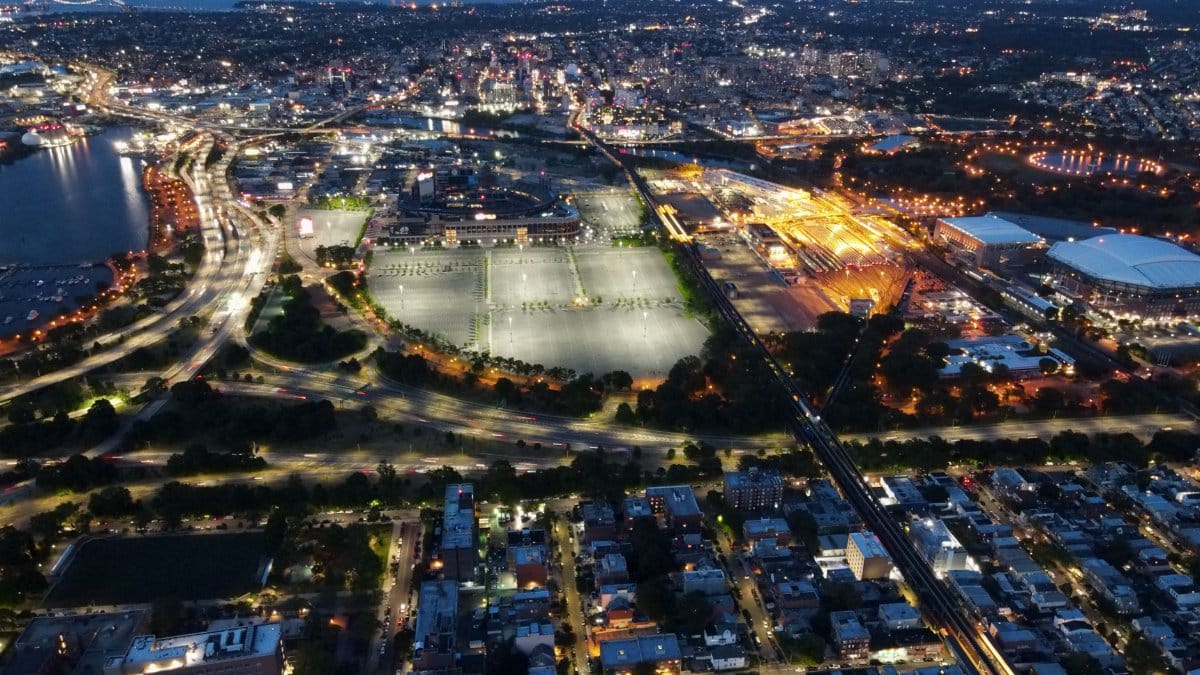
In the heart of Chicago south side rail yards a stretch of land long overlooked now draws intense focus from city leaders and investors alike. Recent approval of major public financing has set the stage for Chicago The 78 Development to rise as a centerpiece of renewal along the Chicago river. This move reflects broader hopes for economic growth yet also raises questions about how such projects serve residents amid shifting urban priorities.
Council Vote Sets New Course for South Loop Renewal
City leaders gathered to endorse a package that commits hundreds of millions in public resources toward the ambitious plan. The decision came after extended debate over how best to balance private gains with community needs. Supporters pointed to job creation and new housing as key benefits while critics questioned the scale of taxpayer involvement in an already recovering district.
Financial Structure Behind the Massive Investment

The approved measure draws on tax increment financing tools to support infrastructure and site preparation. Officials estimate the total public commitment will reach significant levels over the coming decade. This approach mirrors earlier efforts in other parts of the city where similar mechanisms helped spark private construction. Revenue from future property taxes within the district would repay the initial outlays.
Historical Context of the Former Rail Yards Site
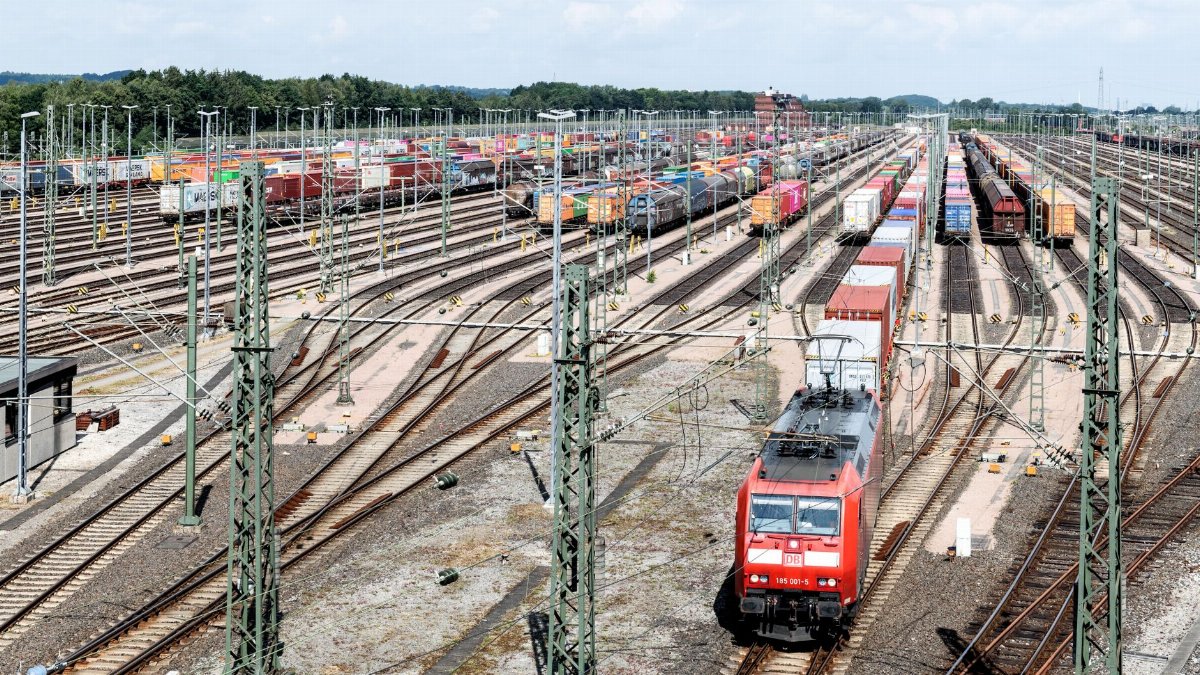
Once dominated by freight operations the parcel sat vacant for years after industrial activity declined. Planners have long viewed the location as a natural extension of downtown living and commerce. Earlier proposals for the area included parks and office towers but none advanced as far as the current blueprint. The shift from industrial past to mixed use future marks a clear evolution in city land use patterns.
Developer Vision for Mixed Use Community Space
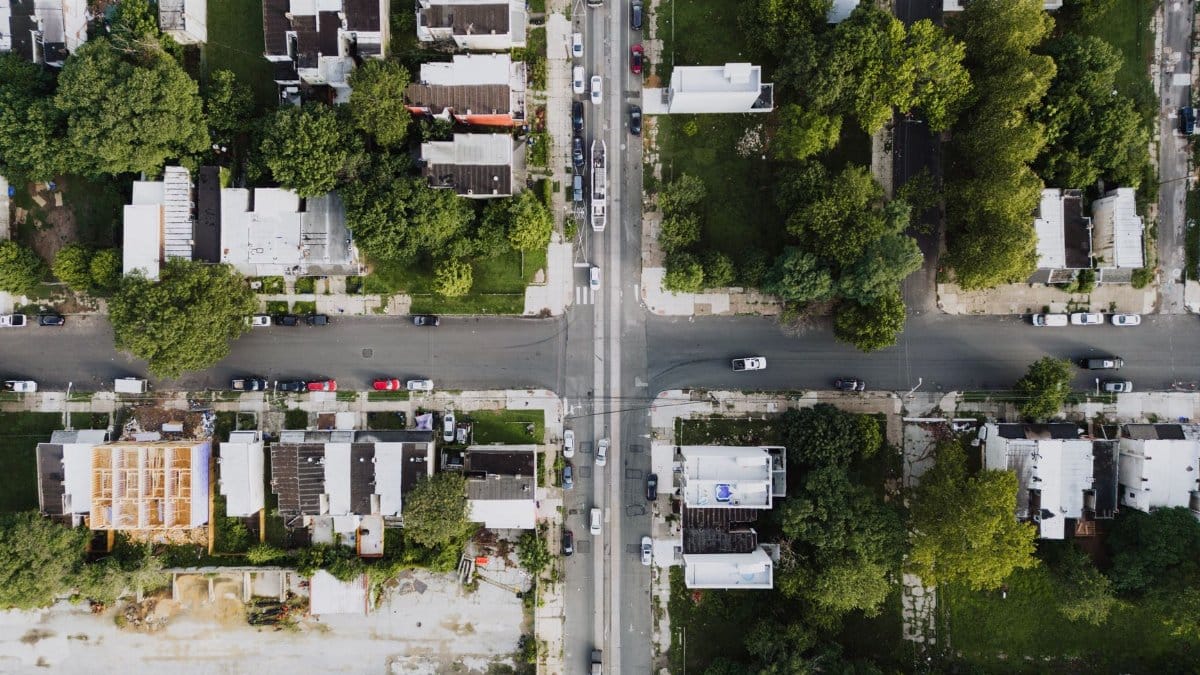
Plans call for residential towers alongside retail spaces and green areas designed to attract both locals and visitors. William Conway the lead investor has emphasized walkable design and connections to nearby transit lines. The goal remains creation of a self contained neighborhood that adds vibrancy without overwhelming existing infrastructure. Early renderings show broad promenades and open plazas meant to encourage daily activity.
Potential Effects on Nearby Neighborhoods and Residents

Advocates argue the project will bring new services and employment closer to long established communities. Yet some residents worry about rising costs and displacement as property values adjust. Community meetings have highlighted desires for affordable units and local hiring commitments within the development. City staff have pledged ongoing dialogue to address these concerns as construction moves forward.
Comparisons to Past Chicago Development Efforts

Similar initiatives in the west loop and near north side offer lessons in both success and shortfall. Those earlier projects delivered skyline changes and economic activity but sometimes fell short on promised public benefits. Observers note that careful monitoring of this new effort will prove essential to avoid repeating past imbalances. The scale here exceeds many predecessors in both ambition and public backing.
Environmental and Infrastructure Considerations

Flood protection and sustainable building standards form core elements of the design. Planners have incorporated features to manage storm water and reduce energy demands across the site. Integration with existing transit options aims to limit added traffic pressure on surrounding streets. These measures reflect updated expectations for large scale urban projects in a changing climate.
Next Steps and Timeline for Groundbreaking

With council approval secured the project now advances toward detailed permitting and final design refinements. Construction could begin within two years if financing milestones are met on schedule. Ongoing oversight by city agencies will track progress against stated goals for housing diversity and commercial activity. Public updates are expected at regular intervals to maintain transparency throughout the process.