
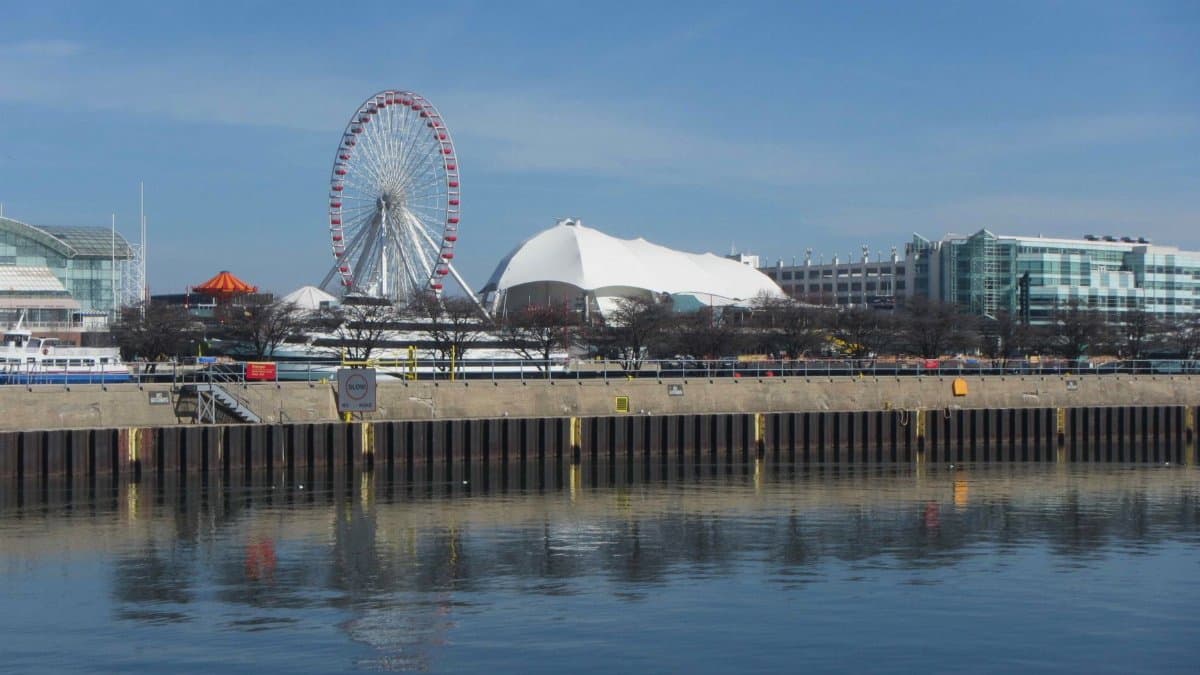
The wind off Lake Michigan has a way of editing a plan. People step onto the pier in jackets they swore they would not need, then stay because the music is free and the skyline is doing its usual work. Chicago weekend events this September ask for that kind of flexibility. A public festival occupies Navy Pier while Phoebe Bridgers and Role Model draw ticketed rooms, and the Salt Shed keeps its own claim on the riverfront night. None of these is a secret. What changes is the order you choose, and whether you treat the city as a checklist or as a long walk with a few fixed times. The better weekend usually belongs to the person who picks two things and lets the rest be weather.
A pier that still belongs to the public
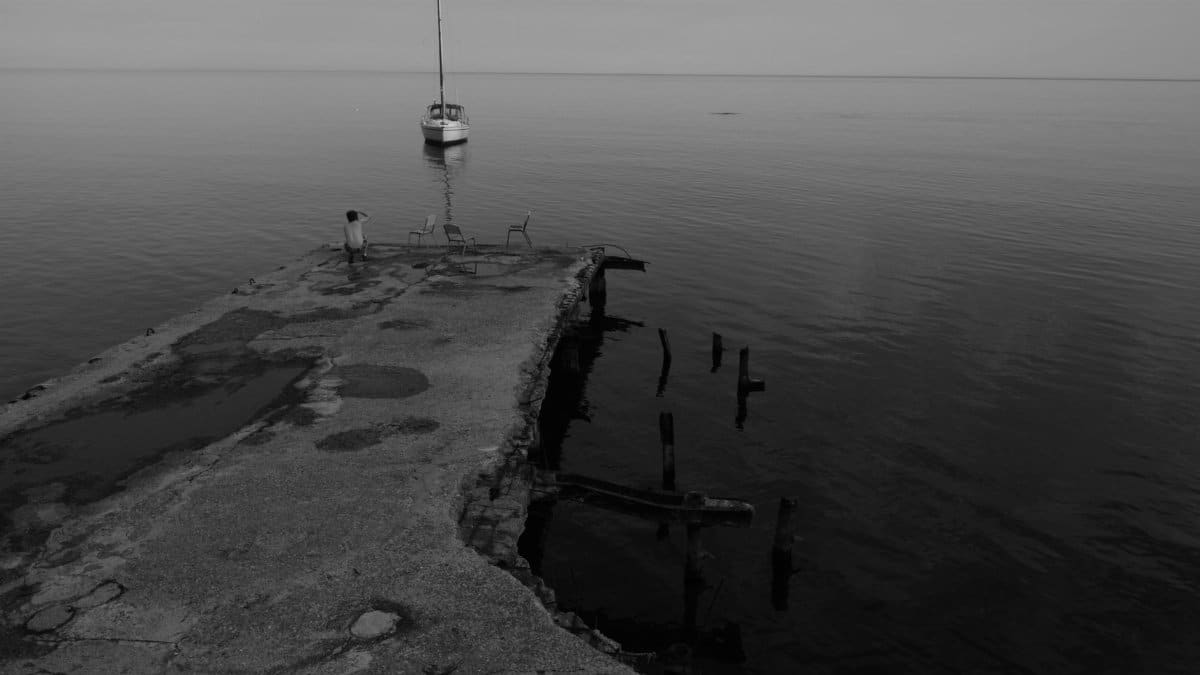
Navy Pier has spent years arguing with its own postcard. On a festival weekend the argument gets simpler. The grounds open without a cover charge, stages sit where a family can hear them without a wristband, and the walk from the street to the water is the price of admission. Bookers tend to fill these dates with local bands, dance companies, and vendors who already understand the pier, including the way a vocal can thin out when a boat horn crosses the harbor. For a visitor the gift is access more than surprise. You can hear a set, step away for a cold drink, and come back without opening an app. That ordinary freedom is rarer than the skyline photographs suggest, and it is the reason the pier still matters on a crowded Saturday.
What free still asks of you
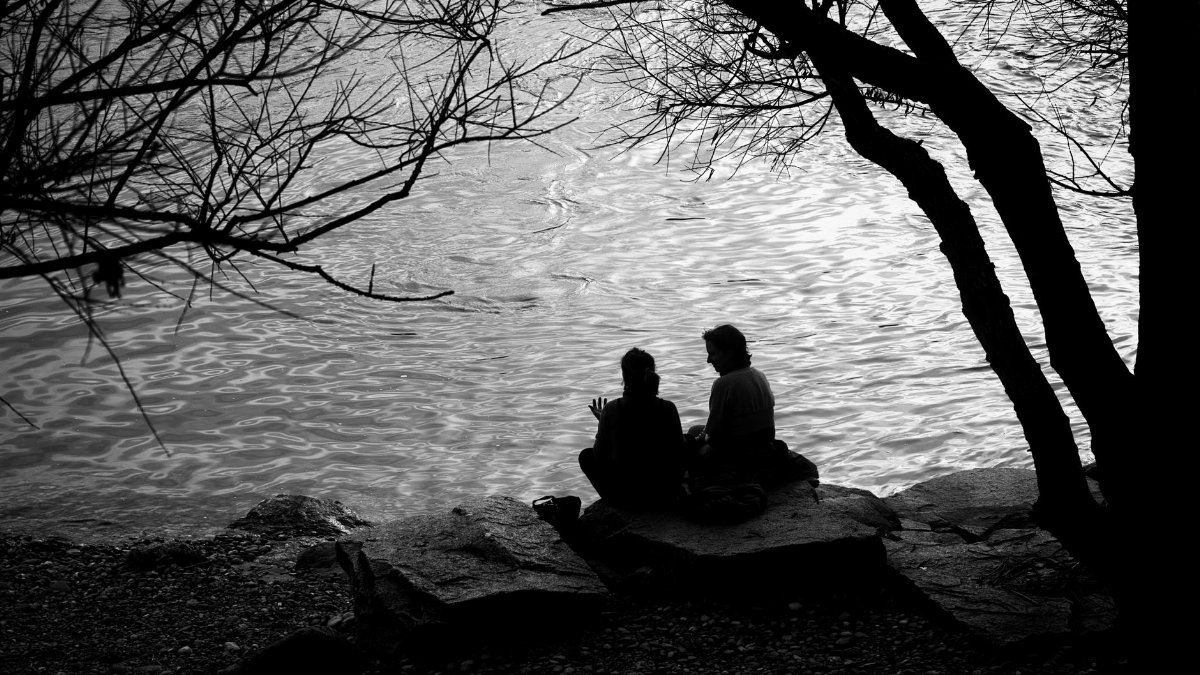
Free still spends your Saturday. The pier gathers people the way a neighborhood park does on the first mild afternoon after a raw week. Strollers share the promenade with couples who came for one song and stayed for three. Arrive near the middle of the day and you will walk more slowly than any map implies. You will also wait longer than you hope for food. Put that slowness in the plan. A free festival is a civic room, not a shortcut between errands. The visitors who enjoy it most pick one performance and drop the fantasy of seeing the full schedule. They leave before the paths jam, or they stay and accept that the exit will take time. Either choice is honest. Pretending you can do both the pier and a distant encore without a gap is how the day turns sour.
Phoebe Bridgers and a room that listens
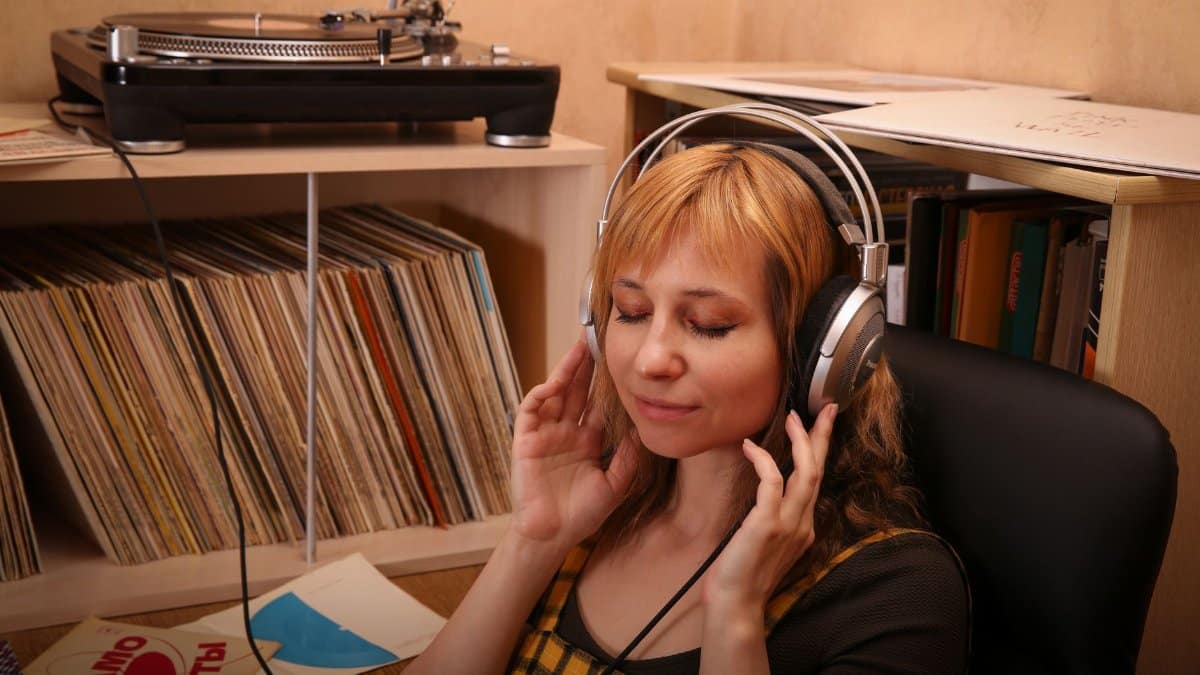
Phoebe Bridgers draws listeners who treat lyrics as the main event. Her songs favor detail over spectacle, naming a kitchen, a highway, a private embarrassment, and trusting the room to lean forward. In a city this loud that trust is not guaranteed. Bars leak. Phones lift. Even so, her concerts have earned a name for an unusual quiet, a shared decision to let a verse land. I have stood in Chicago rooms where that hush felt almost formal, closer to a reading than to a shout. It is worth guarding. Arrive early enough to hear the opener, and resist narrating the night into a group chat while the band is still playing. The ticket buys a seat in a collective attention. Once you spend that attention elsewhere, the song does not refund it.
There is also a practical kindness in how these shows tend to work. People who know the records already know when to stay still. If you are newer to the songs, you do not need a lecture from the row behind you. Read the room. A whispered question between numbers is fine. A running commentary is not. The pleasure is cumulative: one precise image, then another, until the set feels like a letter everyone was allowed to open.
Role Model and the chorus as a meeting place
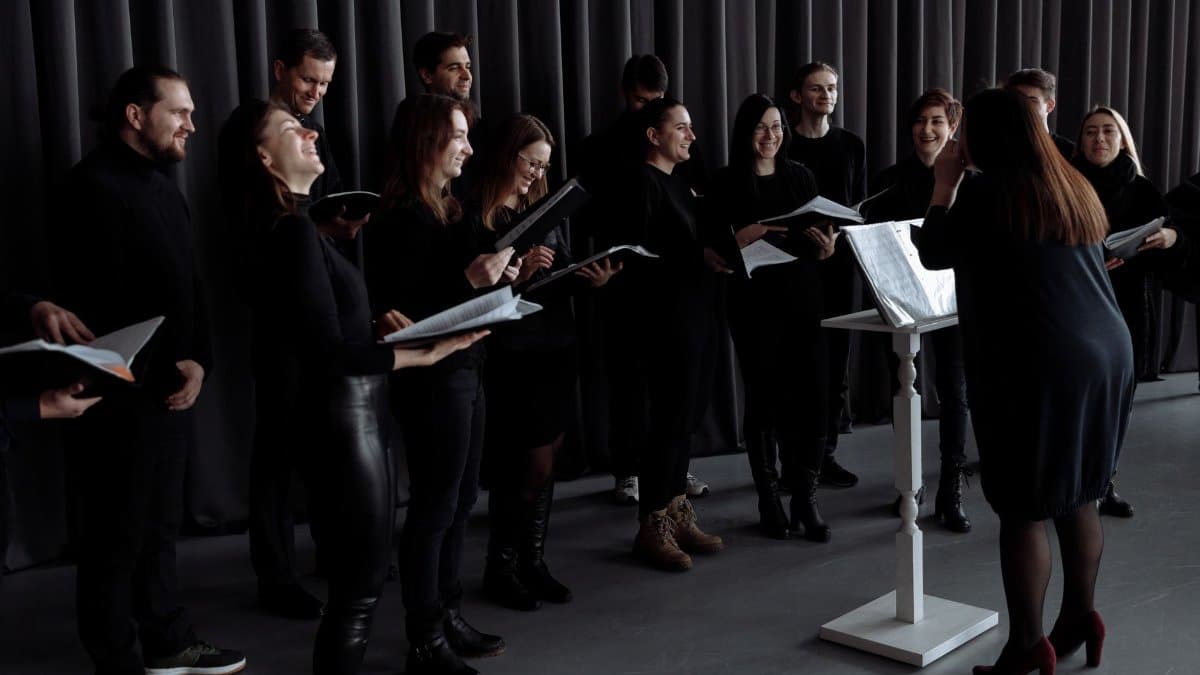
Role Model works from a different agreement with the crowd. The songs are built for voices answering back, bright melodies and plainspoken lines that fans already carry in their heads. That energy is social rather than slight. People arrive in clusters, dress for their friends, and use the chorus as a place to meet. Chicago has long kept rooms for that release, from corner bars to big stages, and an artist who invites singing simply makes the welcome obvious. Adults who assume the night belongs only to college students may be surprised by how sturdy the writing is under the hooks. Joy and craft are not rivals. A parent with an older teen can stand in that room and hear competence as well as volume. The trick is to listen for the verse, not only the part everyone already knows.
If you are bringing someone younger, agree on a meeting spot before the lights drop. Large rooms swallow phones at the worst moment. A column, a merch table, a specific door: dull details, useful later. The show itself will feel faster than the clock. Choruses do that. They make time feel like a single held note.
The Salt Shed after the sun drops
The Salt Shed holds a different hour. It sits by the river on ground that once felt like the city turning its back, and it has become a destination with real pull. The room is large enough for a touring production and spare enough that the band still has to earn the night. When Navy Pier is all daylight and wandering, the Shed is intention: a ticket, a start time, a crowd that dressed for the dark. Arrival is part of the show. Cars crawl after the last song, and a ride hailed at the door can cost more in patience than in money. Walk a few blocks before you call anyone, or know your train before the lights come up. People who look relaxed at the end planned the leaving while it was still afternoon.
The riverfront approach has its own mood. You see the building before you see the line, and the line tells you the night is already underway. Give yourself a margin. Security, a coat check, a stop for water: none of it is the music, and all of it sits between you and the first song. Industrial rooms reward punctuality more than fashionably late entrances.
Crossing town without ruining the night
Anyone mapping Chicago weekend events learns that distance is not only miles. It is a transfer, a cold walk facing the lake, and the twenty minutes lost while a group debates dinner. The pier and the ticketed rooms, the Salt Shed among them, do not share a single corner. Stacking a free afternoon, a Bridgers set, and a Role Model set into one breathless loop is how a pleasant plan becomes a complaint about traffic. Give the festival a day and a concert a night. If the two ticketed shows sit close, choose the one you would hate to miss and allow the other to happen without you. Missing something is not a failure of citizenship. It is how a weekend stays human. The city will print another listing soon enough.
The meal that keeps the evening kind
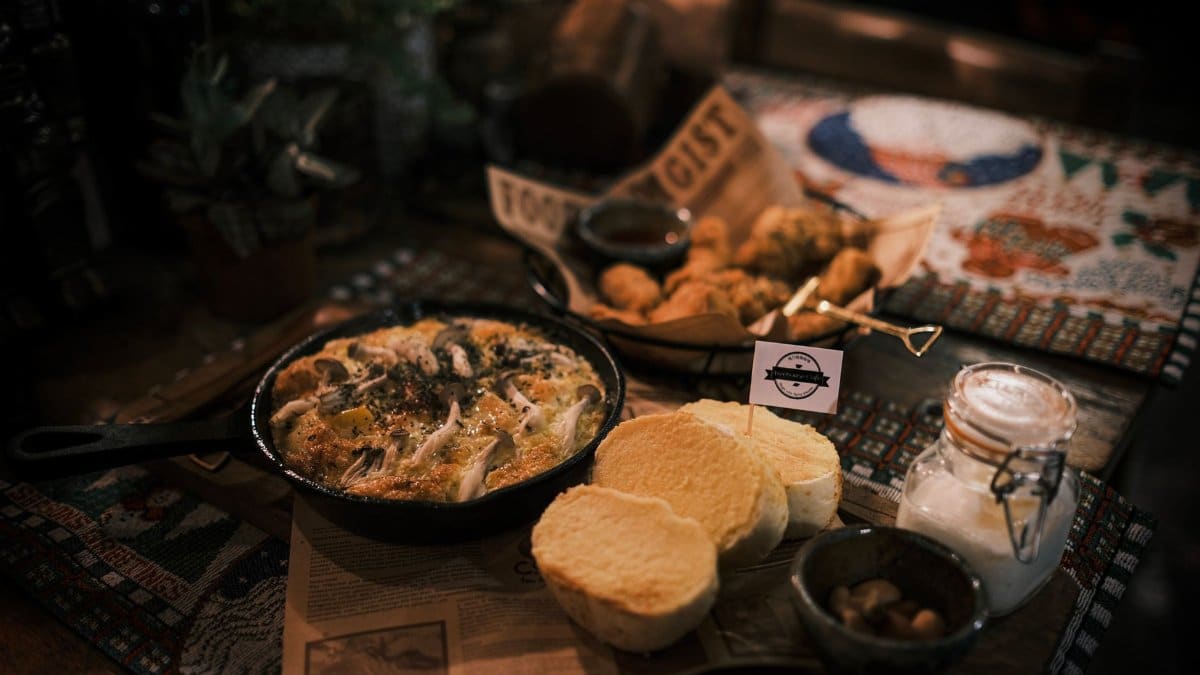
Between the pier and a late door there is an hour that decides your temper. Eat before hunger makes the choice. Festival lines are part of the scene, not a personal insult, so a sandwich bought a few blocks off the pier and eaten on a bench can be the smartest move you make. Near the Salt Shed, pick a table that will still exist when you are ready to sit. The photogenic room on your phone is often the room everyone else selected at the same moment. Chicago weekend events often fray in the stomach rather than on the calendar. A calm plate is not an indulgence. It is how you remain decent on a crowded train, and how you keep enough energy to care about the second song, not only the first.
September weather and what to carry
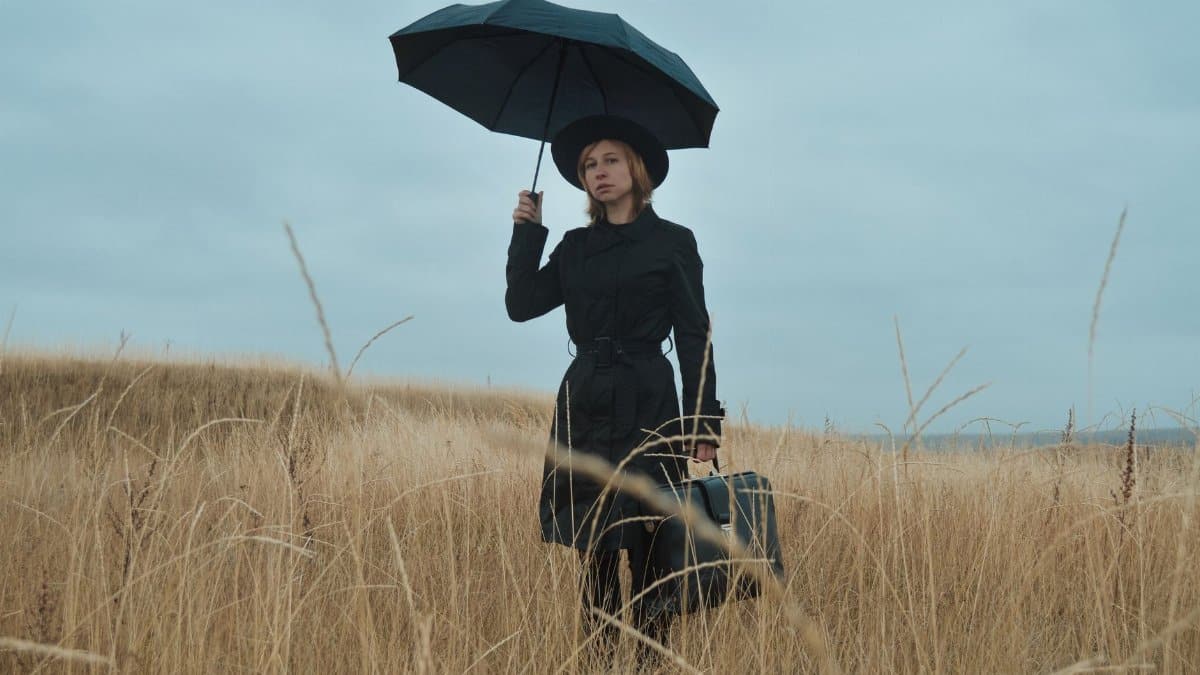
September here is a negotiation with the lake. Concrete holds the afternoon heat. The water gives it back as a chill the moment you turn toward the horizon. Carry a layer you can tie at your waist. Shoes you can walk in will matter more than any jacket chosen for a photograph, especially if the pier comes first and a concert comes last. Rain rarely erases a festival. It edits it. Keep an indoor hour in reserve, a museum lobby, a long coffee, a bookstore aisle, so a shower does not send you home in a sulk. The people who seem prepared rarely guessed the sky. They packed for two versions of the same day and refused to treat weather as a betrayal.
Tickets, trains, and the unglamorous plan
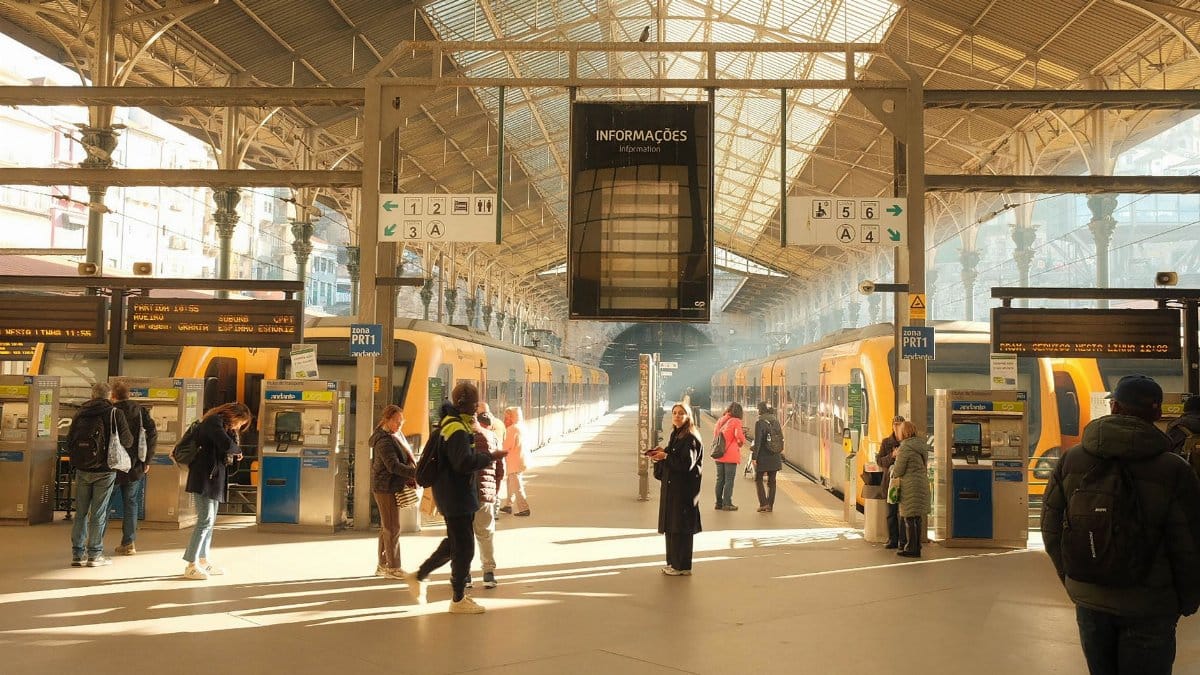
Tickets for Phoebe Bridgers and for Role Model should be confirmed, not inherited from a group text. Prices shift. Fees appear late. A resale offer can be a stranger selling confidence. Check the venue or the promoter before you trust a screenshot. For Navy Pier the check is kinder: the festival dates are public, and the cost is time plus whatever you spend once you are inside. Transit is the other ticket that matters. Trains and buses will usually do more for the night than a car you cannot park twice. If you drive anyway, choose the lot before you leave home. Readers comparing Chicago weekend events sometimes skip this dull chapter. It is the chapter that decides whether you hear the song you paid for or watch it from a rideshare pin on a map.
Tell the people you are meeting where you will be if the signal fails. Downtown towers and riverfront concrete are not generous with phones. A simple plan, stated out loud before you separate, saves the last half hour from becoming a search party. None of this is romantic. All of it protects the part that is.
Attention as a public act
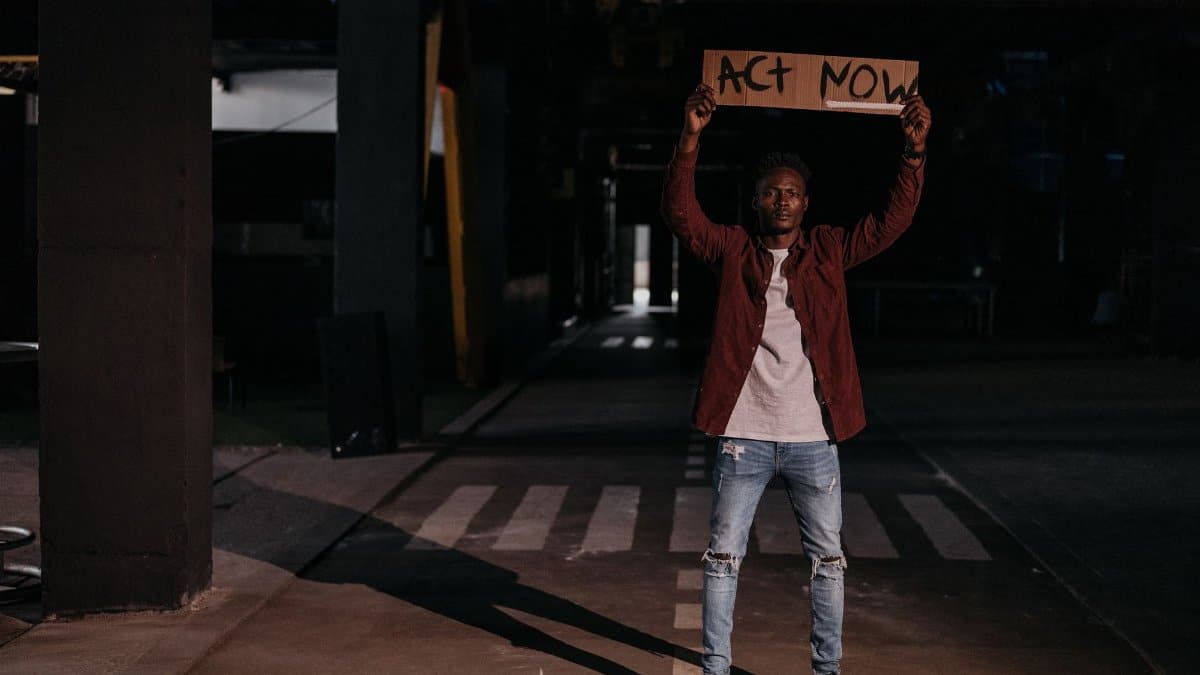
A city with this many stages can treat another concert weekend as noise. That habit misses the work these gatherings do. A free festival on Navy Pier argues that culture can be a public good, not only a product. A Bridgers concert asks strangers to share a private register without smirking at it. A Role Model concert lets a room practice happiness at full voice. The Salt Shed, bright against the river, shows that old industrial ground can hold people without dressing up as a shopping court. Chicago weekend events succeed when they offer a reason to leave the apartment and a way to be among others that does not demand a perfect schedule. Spiritual is a large word for a Saturday night. Attention is a smaller one, and closer to the truth. Spend it in a room where the song can still find you.
You do not need to see everything the listings promise. You need one hour on the pier when the city feels shared, and one song in a dark room when the crowd agrees to listen. That is a full weekend. The rest can wait on the sidewalk, under a changeable sky, until you are ready to walk toward it.