
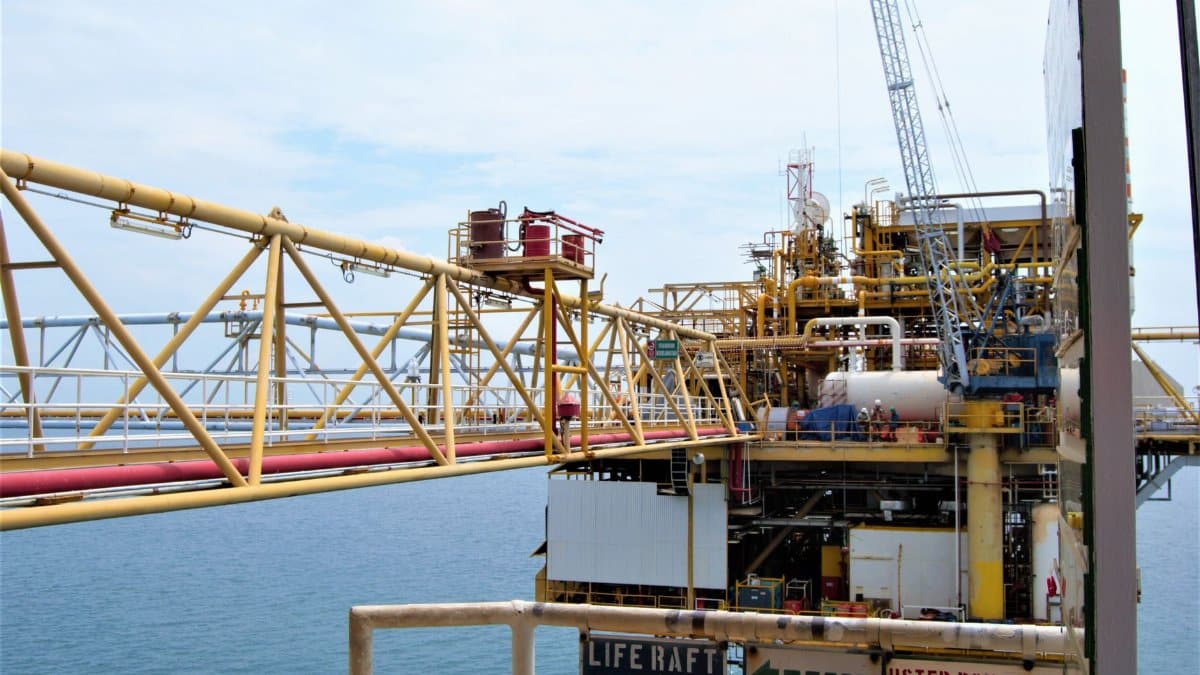
Chevron has put forward an ambitious investment to expand its presence in a country long known for vast energy reserves. The proposal centers on Chevron Venezuela oil and reflects calculations about future demand alongside ongoing questions of political stability and financial returns. Recent signals from Caracas suggest openings that could allow renewed activity after years of restrictions. Observers note that success depends on whether payment mechanisms and security arrangements remain reliable over time.
Background to the Current Initiative

Venezuela holds some of the largest proven oil reserves in the world yet output has fallen sharply over the past decade due to infrastructure decay and external sanctions. Chevron maintained a limited footprint through joint ventures that survived earlier policy shifts. The new plan seeks to restore and then surpass previous production levels by focusing on existing fields that require upgrades in equipment and maintenance practices.
Details of the Proposed Investment

The company outlined commitments totaling roughly seven billion dollars spread across several years. Funds would target drilling campaigns, facility repairs and transport improvements. Officials emphasize phased spending tied to performance milestones rather than upfront outlays. This approach aims to limit exposure if conditions change unexpectedly.
Role of Regulatory Approvals

Any expansion requires fresh licenses from both Washington and Caracas. Past experience shows that policy reversals can halt projects midstream. Chevron has conditioned further spending on clear written assurances regarding export revenues and dispute resolution. Without those guarantees the timeline could slip by several quarters.
Security and Operational Challenges

Remote sites face risks from local unrest and supply chain disruptions. Companies active in the region have reported repeated incidents of equipment theft and labor disputes. Chevron Venezuela oil teams would need reinforced logistics and local partnerships to keep crews safe while meeting production targets.
Payment Mechanisms and Currency Risks

Previous ventures struggled when revenues were trapped in local accounts or subject to sudden exchange controls. The latest framework proposes escrow arrangements and third party audits to ensure steady repatriation of profits. Analysts say these safeguards could prove decisive in attracting additional partners beyond the initial investor.
Impact on Global Supply Patterns
Higher Venezuelan output could ease pressure on certain grades of crude that refiners in the United States and Europe prefer. Market watchers estimate that successful doubling of production might add several hundred thousand barrels per day to world markets within five years. That increment would arrive at a moment when many other regions face declining well productivity.
Local Employment and Community Effects

Expanded operations typically create thousands of direct and indirect jobs in an economy that has lost skilled workers through emigration. Training programs and infrastructure spending in host communities often accompany such projects. Critics argue that benefits remain uneven unless contracts include explicit local content rules.
Environmental Considerations

Older Venezuelan facilities have documented problems with spills and gas flaring. Modernization offers a chance to install updated emission controls and monitoring systems. Environmental groups have called for independent oversight to verify that new investments actually reduce rather than merely relocate pollution burdens.
Comparisons With Other International Players

European and Asian firms have expressed interest in similar opportunities yet many hesitate without stronger legal protections. Chevron long term presence gives it an edge in navigating bureaucratic processes. Still, competition could intensify if license terms improve further.
Outlook for Sustained Growth

Success hinges on steady policy continuity over the coming decade. Historical cycles of nationalization and reopening have left investors wary. If current conditions hold, Chevron Venezuela oil could serve as a test case for broader reengagement with Venezuelan energy resources. Continued monitoring of license compliance and payment flows will determine whether the seven billion dollar commitment delivers expected returns.