
On a humid evening in Houston, the glow of a phone can feel ordinary until the message on the screen is not a bill, a storm alert, or a reminder to pay. It is a notice that strangers may have seen private details tied to a home. That is the unease surrounding the CenterPoint customer data leak, after the company told regulators that an unauthorized party obtained personal information and that the material had appeared in an online post. For customers, the news lands less like a technical bulletin and more like a knock at the door from someone who already knows the address.
What CenterPoint told the public and regulators
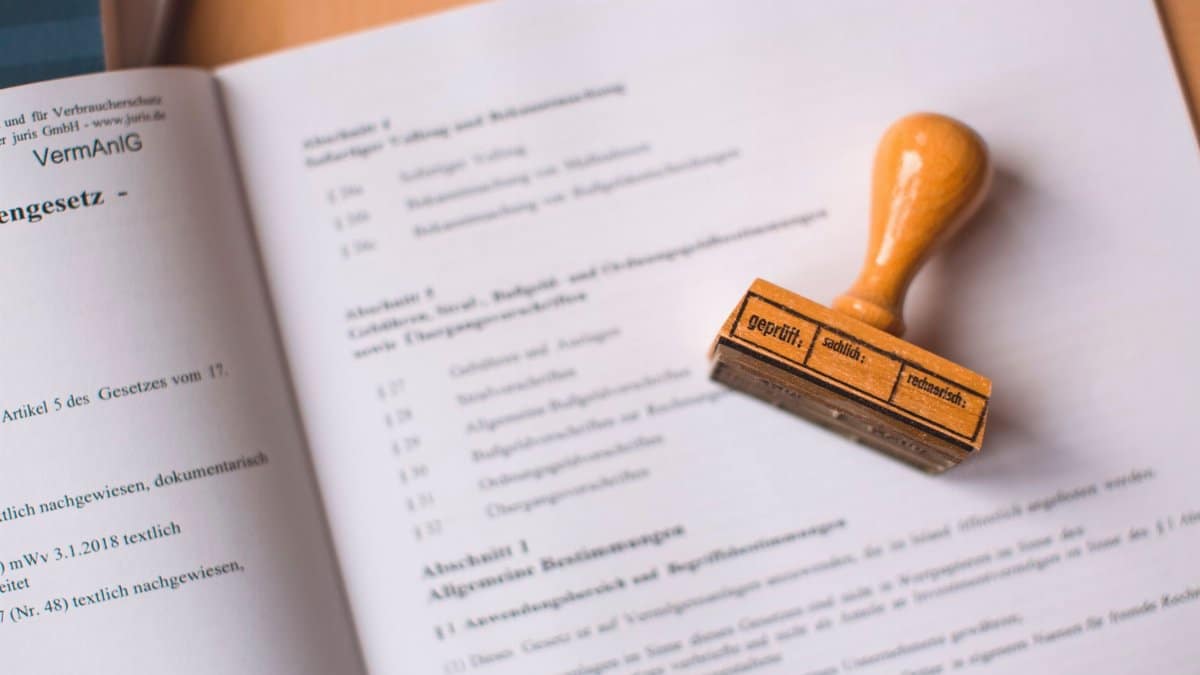
CenterPoint Energy, the utility that keeps lights on and gas flowing for a vast stretch of the Houston region, said some customer data was stolen. The confirmation did not arrive in a press conference with charts and apologies stacked in a neat row. It arrived, as these admissions often do, through a securities filing. Companies that trade on public markets are required to tell investors about events that could matter to the business. A breach of customer information qualifies, both because of possible legal exposure and because trust is part of the franchise.
The filing, as described in local reporting, said an unauthorized party obtained personal information. It also tied the discovery to an online post. That sequence matters. Many incidents begin with a quiet internal alarm. This one appears to have surfaced, at least in part, because information was already out where others could see it. Once material is public, the company is no longer managing a contained problem. It is managing a fact that customers, criminals, journalists, and regulators can all examine.
An online post and the loss of control

An online post is a small phrase for a large shift in power. A utility can lock server rooms, hire auditors, and write policies that fill binders. None of that retrieves a file once it has been copied and displayed. The internet does not have a shredder. Screenshots travel. Forums archive. What looks like a single post can be the visible edge of a larger pile of records.
CenterPoint has not, in the account available from that filing and from news coverage, laid out a full public inventory of every field taken. Customers are left to infer from the category itself. Personal information, in the utility business, is rarely just a name on a mailing list. It is the scaffolding of an account: where a person lives, how to reach them, sometimes how they pay, sometimes a government identifier used to verify identity. Until the company specifies the fields, the honest description is the one the filing supports. Some customer data was stolen. An unauthorized party had it. It showed up online.
Why a power company knows so much
People rarely think of the electric company as a keeper of intimate records. They think of outages, tree limbs, and the monthly total. Yet opening service requires proof of who you are and where you live. Moving requires a forwarding address. Financial hardship programs require income details. Medical necessity certificates, for customers who cannot safely lose power, can place health related facts in a file that was never meant for strangers.
That accumulation is not sinister by itself. A regulated utility cannot serve a meter it cannot locate or bill a customer it cannot identify. The risk is concentration. One compromised system can expose thousands of households that never chose to share their lives with a technology vendor, a call center contractor, or whoever sat on the other side of an unauthorized login. The CenterPoint customer data leak is a reminder that the most ordinary institutions now hold data once reserved for banks and doctors.
What stolen utility records can be used for
Stolen personal information is not a single crime. It is raw material. A name, an address, and a phone number can fuel a convincing call that pretends to be the utility, warning of a shutoff unless a payment is made immediately. Account details can help a fraudster answer security questions elsewhere. If more sensitive identifiers were included, the harm can last for years, in false tax filings or new credit opened in someone else’s name.
None of that requires the thief to understand transformers or gas lines. The value is in the customer, not the grid. That is why a data incident at a power company can feel disconnected from the physical service and still be deeply personal. The lights may stay on. The sense of privacy does not.
The particular worry in a storm city
Houston lives with weather that can redraw a week. After hurricanes and freezes, CenterPoint becomes a civic character, praised or blamed in group texts and on local television. Customers already have a complicated relationship with the company. They need it. They also remember long nights without air conditioning or heat. A disclosure about stolen data arrives in that emotional climate.
During emergencies, people are more likely to answer unknown numbers, click unfamiliar links, and trust a voice that claims to be restoring power. If criminals possess real customer details, those pitches become harder to dismiss. The filing does not say that such schemes are underway. It does create the conditions in which they become plausible. Caution, in that setting, is not paranoia. It is a reasonable reading of how fraud actually works.
The slow machinery of notice
Corporate disclosures and customer letters rarely move at the same speed. Investors may learn of an incident through a filing days or weeks before a household receives a plain language letter. That gap breeds suspicion, even when it reflects legal review rather than indifference. Lawyers want precision. Customers want to know whether their Social Security number, their bank draft, or only a service address was involved.
Good notice answers a short list of questions. What was taken. Who is affected. What the company is doing. What the customer can do. What help, such as credit monitoring, will be offered if the data warrants it. Vague comfort is worse than a clear limit. If CenterPoint cannot yet say which fields left its control, it should say that plainly and give a date when a fuller account will follow. Silence invites people to assume the worst file in the cabinet.
Regulators, lawsuits, and the cost of a filing

A securities filing is a beginning, not an ending. State attorneys general, utility commissions, and federal privacy enforcers all have reasons to ask how the unauthorized party got in, how long the access lasted, and whether reasonable safeguards were in place. Customers may sue. Shareholders may ask whether leadership described cyber risk accurately in earlier reports. None of those processes restore a stolen record. They do shape whether the next utility treats data protection as a core duty or as a line item that can wait.
Houston readers have seen this pattern in banks, hospitals, and retailers. The script is familiar: discovery, disclosure, offer of monitoring, promise of improvement. Familiarity should not dull the stakes. A utility is not a shop a person can abandon. Switching providers is often impossible. That captive relationship raises the duty of care. If you must take my address to keep my lights on, you must guard it as if the address were the service itself.
What customers can do without waiting for perfect answers

Waiting for a complete inventory is prudent. Waiting to take basic precautions is not. People who receive a notice, or who simply worry they might be included, can watch bank and card statements for charges they do not recognize. They can be skeptical of any call, text, or email that demands immediate payment to avoid a shutoff, and they can contact the utility through a number they look up themselves rather than one supplied in the message. They can place a fraud alert or a credit freeze if they learn that identifiers used for credit were exposed. They can change passwords on utility accounts and avoid reusing those passwords elsewhere.
These habits do not fix the breach. They shrink the window in which a stranger can turn a leaked record into a loss. They also restore a measure of agency. The CenterPoint customer data leak is something that happened to customers. The response does not have to be entirely passive.
Trust as a kind of stewardship

There is a moral vocabulary available here that does not require a sermon. Stewardship is the idea that what you hold for others is not yours to spend carelessly. A utility holds the conditions of ordinary life: warmth, light, cooked food, medical equipment that must not go dark. It also holds the stories attached to those conditions, the names and numbers that prove a household exists. To lose that information to an unauthorized party is not only a compliance event. It is a failure of custody.
Readers who think in spiritual terms may hear an older instruction in that failure. Do not treat your neighbor’s vulnerability as a resource. Data is a modern form of vulnerability. The person who posts stolen records, and the institution that failed to keep them, both participate in a harm that is hard to see because no window is broken. The injury shows up later, in a fraudulent account or a frightened phone call. Repair, if it comes, will be slow and incomplete. Acknowledgment should not be.
What the company still owes the city

CenterPoint can still choose the tone of the weeks ahead. It can speak in specifics or in hedges. It can treat affected customers as an audience that deserves the same clarity investors received, or it can hide behind the minimum the law requires. Houston has a long memory for institutional language that sounds managed. People remember who showed up after the ice, and who sounded as if the outage were a communications problem rather than a human one.
A clear public account would name the categories of data, the number of people affected as soon as that number is known, the date range of the intrusion if investigators can establish it, and the concrete help being offered. It would also explain, without drowning the reader in jargon, what control failed. Not a blueprint. A reason to believe the next attempt will meet a locked door.
A wider pattern, not a local oddity

It would be comforting to treat this as a Houston story alone. It is not. Utilities across the country sit on similar troves, often with aging software, outside vendors, and workforces stretched by storms. Attackers look for concentration and for institutions that cannot simply go offline. A power company will keep serving customers while it investigates. That continuity is a public good. It is also a constraint. The lights cannot be switched off so the network can be rebuilt from scratch over a weekend.
The policy question is whether regulators treat customer data protection with the same seriousness they bring to vegetation management and storm hardening. Both are reliability issues. One keeps the wire in the air. The other keeps the household from being picked apart after the wire is restored. Commissions that review rates and capital plans have leverage. They can ask, in public, what share of investment goes to guarding the records that make billing and restoration possible.
Living with the notice
For the individual customer, the headline will fade faster than the risk. News cycles move. Fraud does not keep a publishing schedule. The practical posture is boring and durable: assume that some personal details may be in unfriendly hands, refuse urgent payment demands that arrive out of nowhere, and read any letter from CenterPoint with care rather than tossing it as junk. If the letter offers monitoring, use it. If it names a type of data you did not expect the company to hold, ask why it was retained.
The CenterPoint customer data leak will be measured, in the end, less by the drama of the filing than by what follows the filing. Did the company tell the truth early. Did it narrow the harm. Did it change the systems that let an unauthorized party walk out with personal information and see that information posted online. Customers cannot audit those systems. They can judge the candor. In a city that depends on this utility for the basic conditions of home, candor is not a courtesy. It is part of the service.