
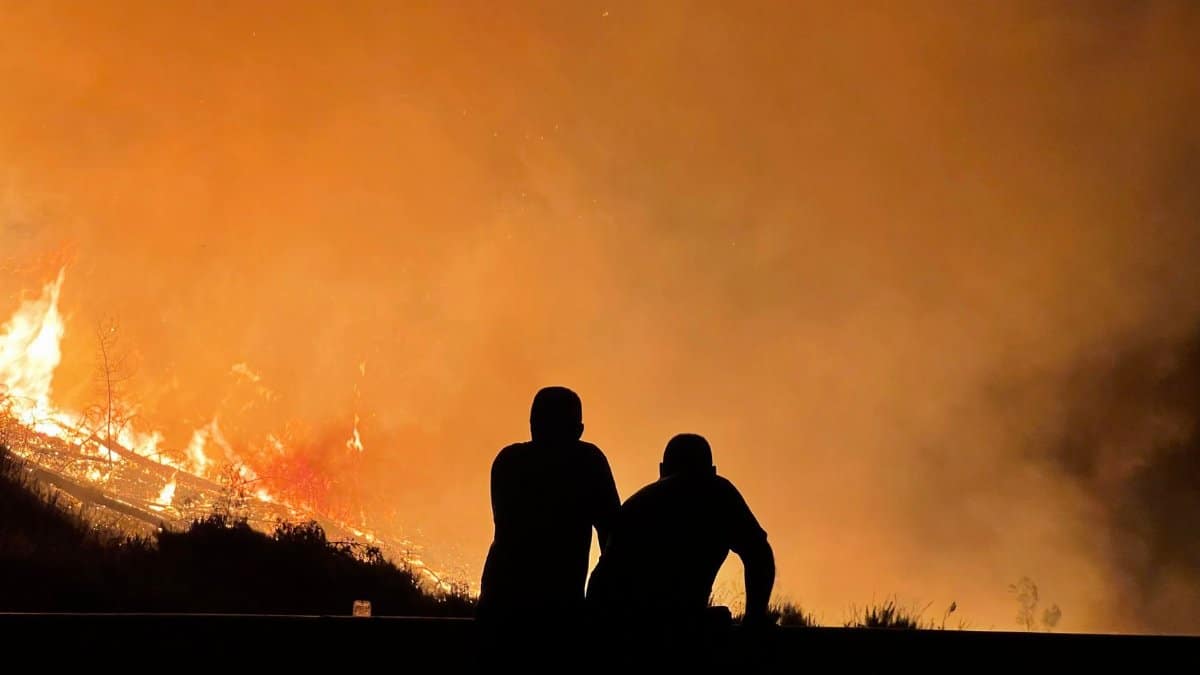
The flames tore through forests in Canada with startling speed this summer, compelling officials to order the departure of more than 20000 residents from their homes. This event highlights how climate patterns are shifting in ways that demand fresh attention from communities across the continent and brings the phrase Canadian wildfire into everyday conversation for many who once viewed such events as distant concerns.
Evacuation Logistics Unfold Under Pressure
Local authorities coordinated bus convoys and shelter setups across provincial lines as smoke filled the air. Families packed what they could in hours rather than days, leaving behind livestock and heirlooms. The operation drew on lessons from earlier seasons yet still stretched resources thin in remote zones.
Community Bonds Strengthen Amid Displacement
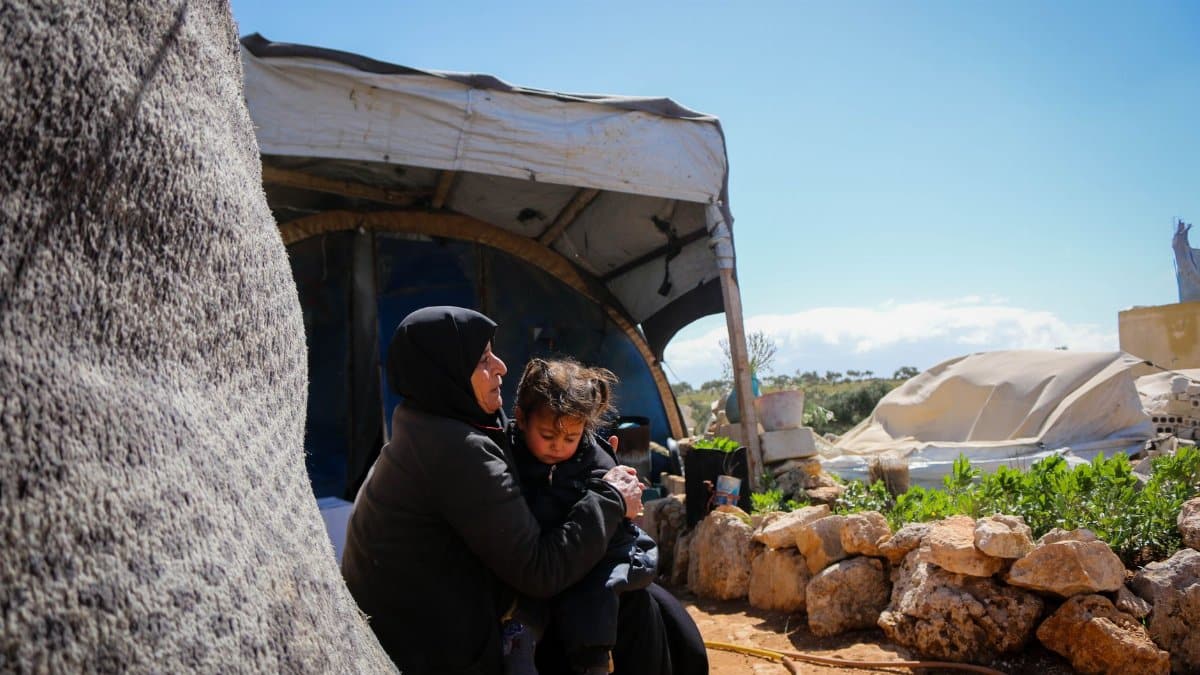
Neighbors who rarely spoke before found themselves sharing meals in temporary centers. Stories of mutual aid emerged quickly, with volunteers driving supplies and offering rides to those without vehicles. Such connections often outlast the immediate crisis and reshape how towns view their collective strength.
Forestry Practices Face Fresh Scrutiny
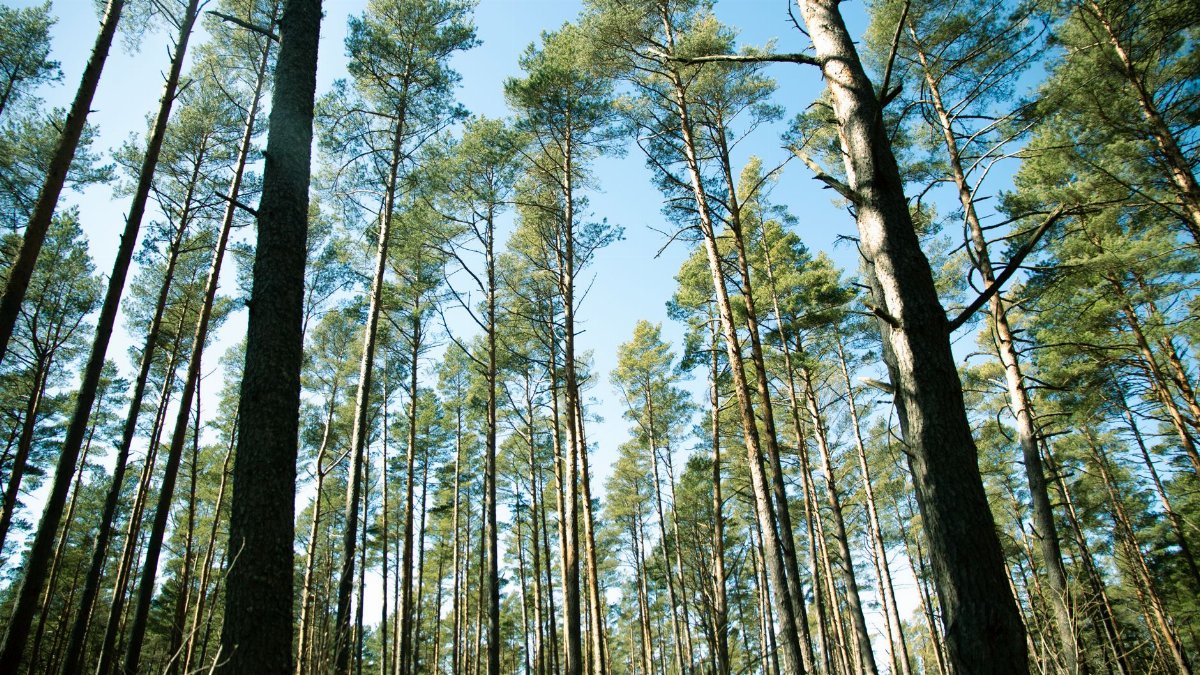
Decades of fire suppression have left dense undergrowth that feeds intense burns. Experts now urge selective thinning and controlled burns to reduce fuel loads. These methods require careful planning and public buy in to avoid unintended harm to wildlife habitats.
Air Quality Alerts Reach Far Beyond Borders
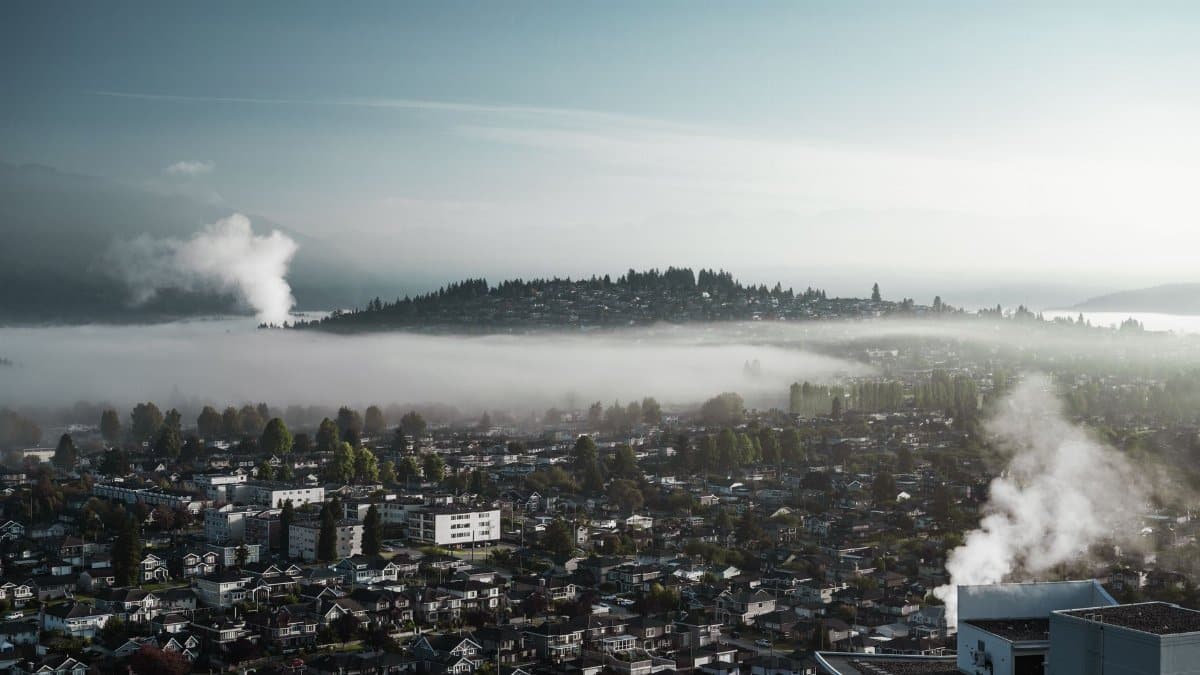
Smoke plumes traveled hundreds of miles, triggering warnings in cities from the Pacific Northwest to the Midwest. Hospitals reported rises in respiratory visits even among those far from the flames. Public health agencies issued guidance on masks and indoor air filters that became standard household items.
Insurance Markets Adjust to Growing Risks

Premiums climbed in fire prone regions as carriers reassessed exposure. Some homeowners discovered policies no longer covered full replacement costs after total loss. Discussions turned to government backstops and revised building codes that favor fire resistant materials.
Spiritual Reflections Surface in Crisis
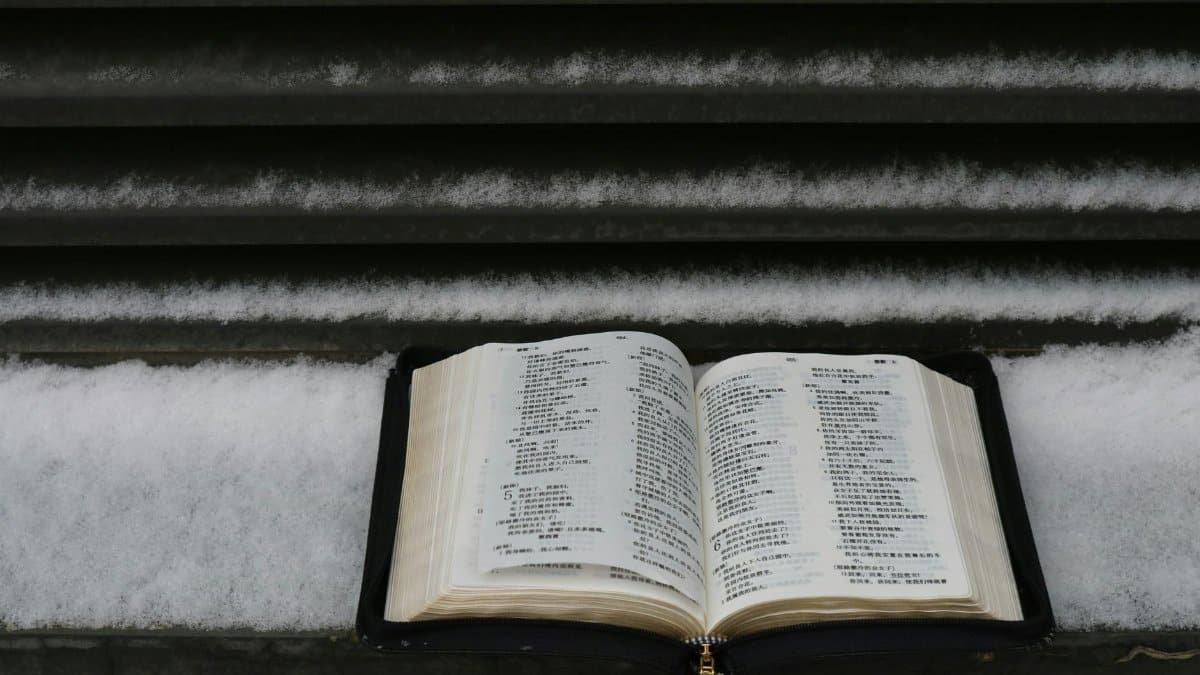
Many evacuees described a renewed sense of humility before nature forces larger than any individual plan. Prayer circles formed in shelters while others found solace in quiet walks along evacuation routes. These moments pointed to deeper questions about humanity place within a changing world.
Indigenous Knowledge Gains Wider Recognition

First Nations communities shared traditional burning techniques that once maintained open landscapes. Leaders called for greater inclusion of such practices in official strategy. Partnerships between tribal councils and provincial agencies showed promise in pilot projects that blend old and new approaches.
Future Seasons Demand Proactive Planning

Models suggest longer dry periods and stronger winds will extend fire weather windows. Governments at every level are mapping vulnerable areas and expanding early warning systems. Investment in equipment and training stands as a recurring budget item rather than an occasional request.