
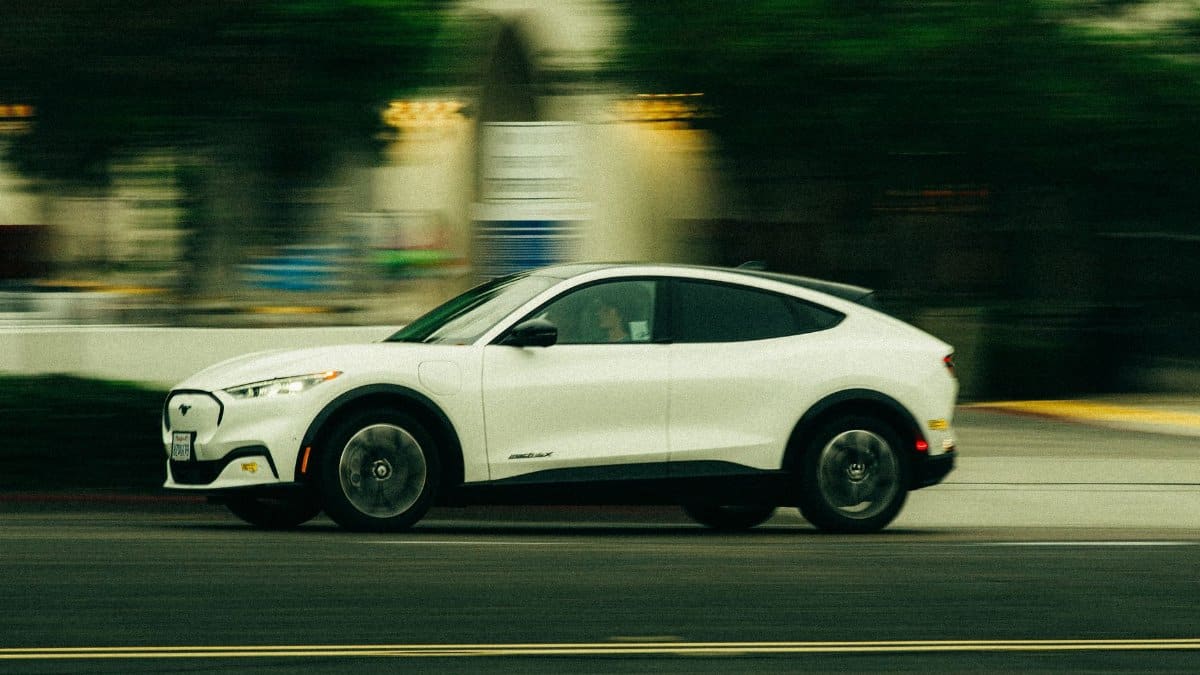
In a move designed to encourage wider adoption of cleaner transportation options California has introduced a new incentive program aimed at first time electric vehicle purchasers. The California EV rebate offers financial support but comes with specific conditions on which cars qualify and who can receive the funds. Officials designed the effort to expand access for middle income households while steering clear of luxury options that already enjoy strong market demand. Early interest suggests thousands of drivers may seek the aid this summer as awareness spreads through dealership networks and community outreach.
Understanding the New State Incentive Program

State leaders crafted the effort after reviewing prior rounds of support that often favored higher priced vehicles. The focus now rests on practical models suitable for daily commutes and family needs. Analysts note that the structure aligns with broader goals of cutting emissions without straining public budgets. Many families have expressed interest in learning more about how the funds can offset initial purchase costs in a meaningful way.
Determining Eligibility for Buyers

Applicants must meet income guidelines and prove they have not received similar aid in recent years. Residency in the state for a set period forms another key requirement along with a clean driving record in most cases. Program administrators will verify details through tax filings and registration documents to ensure fairness across regions. Those who qualify can combine the state support with certain federal options though rules limit stacking in some situations.
Models That Meet the Requirements

Only vehicles under a strict price cap appear on the approved list which favors compact and midsize options from several major brands. Luxury lines and high performance variants fall outside the scope to direct resources toward accessible choices. Buyers should consult updated lists from the state before visiting showrooms since the roster can shift with new releases. This approach aims to balance consumer choice with fiscal responsibility.
Application Process and Timeline

Interested parties can begin submissions online through a dedicated portal once the summer launch occurs. Required documents include proof of purchase intent and income verification which speeds review for most applicants. Officials expect processing within weeks for complete files though delays may arise during peak periods. Clear instructions appear on the site to guide users step by step through each stage.
Financial Benefits and Limitations

The maximum award reaches 3500 dollars for those who satisfy all criteria yet actual amounts vary based on vehicle price and buyer circumstances. Recipients receive the sum after final purchase confirmation which reduces out of pocket expenses at signing. Limits prevent use for leased vehicles in some instances directing focus to ownership paths. The structure encourages thoughtful decisions rather than rushed buys.
Environmental Impact of Wider Adoption

Supporters highlight potential reductions in tailpipe emissions as more drivers switch to electric models over time. Air quality improvements in urban areas could follow if participation grows steadily in coming years. The program ties into larger climate strategies that seek measurable progress through practical incentives. Data from similar efforts elsewhere suggests meaningful shifts when support reaches everyday consumers.
Comparison With Other State Programs

Neighboring regions offer their own versions with differing caps and timelines that create varied landscapes for buyers near borders. California program stands out for its emphasis on first time purchasers rather than all electric vehicle owners. This distinction shapes how residents weigh options when planning moves across state lines. Observers track these differences to gauge overall effectiveness in spurring market growth.
Dealer and Industry Reactions

Showroom staff report rising inquiries as details circulate through advertising and word of mouth. Manufacturers have adjusted inventory planning to ensure approved models remain available in key markets. Some dealers note the rules add paperwork yet view the added foot traffic as a net positive. Industry groups continue discussions on refining future rounds based on early feedback.
Future Outlook for Electric Vehicle Support
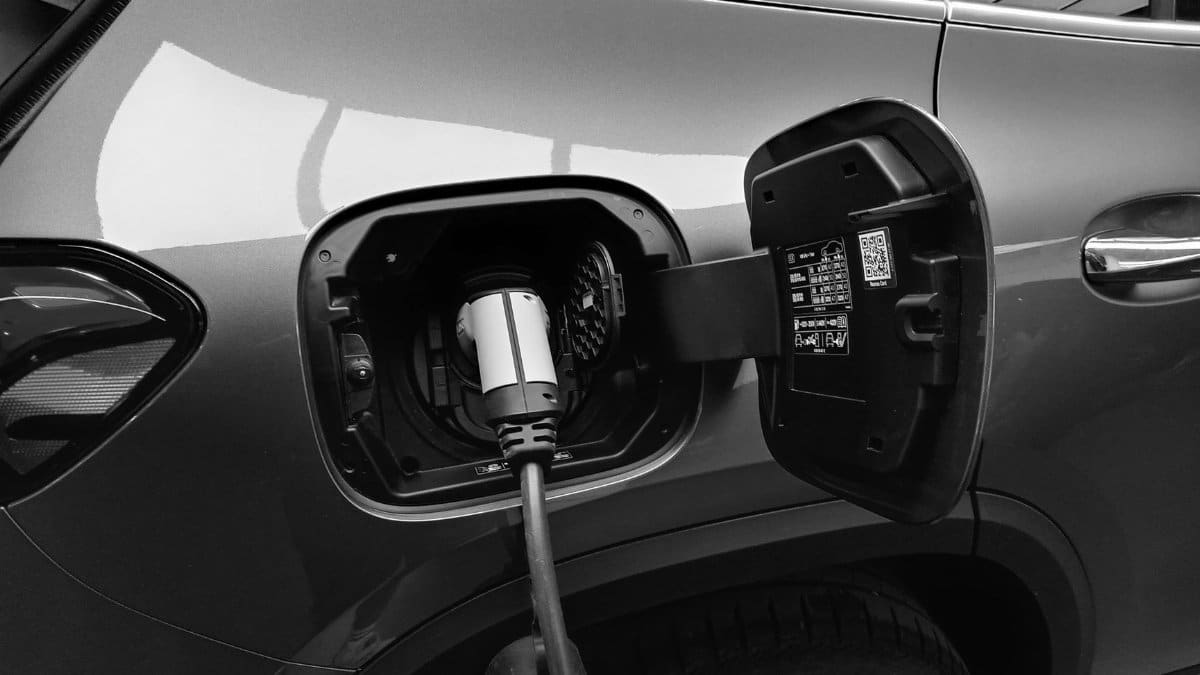
Lawmakers may expand or adjust the effort depending on uptake and budget performance in the initial phase. Ongoing reviews will examine whether the caps effectively target intended audiences without excluding viable options. Broader trends in battery technology and charging access could influence how such incentives evolve. Residents interested in the shift toward electric transportation now have one more tool to consider in their planning.