
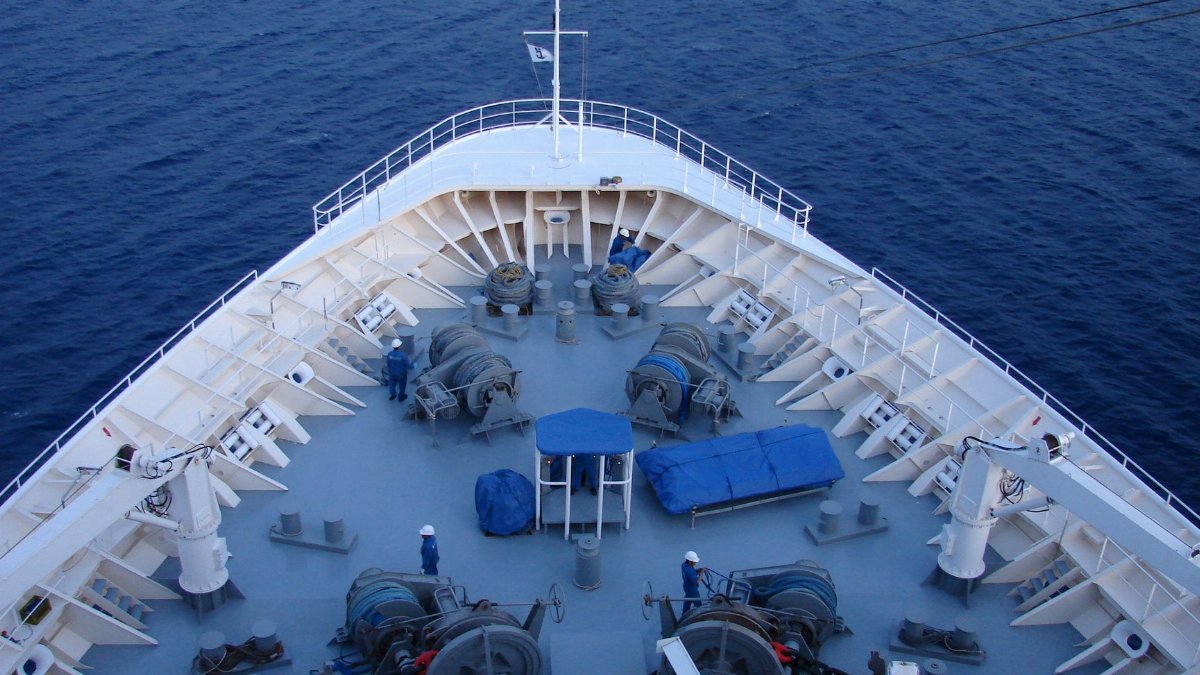
When a ship that promised open water instead sits quiet against a pier, a vacation becomes a logistics problem with a human face. In late October 2026, hundreds of passengers learned that their vessel would not continue, a halt the operator tied to fuel costs that had climbed beyond what the voyage could bear. Among them were sisters from California, far from home and suddenly unsure which airport, hotel, or embassy desk would get them back. The phrase California cruise stranded captures more than a headline. It names a particular kind of modern travel failure, in which a leisure contract collides with energy markets and leaves ordinary people holding boarding passes that no longer mean a cabin.
A pier that was supposed to be a pause
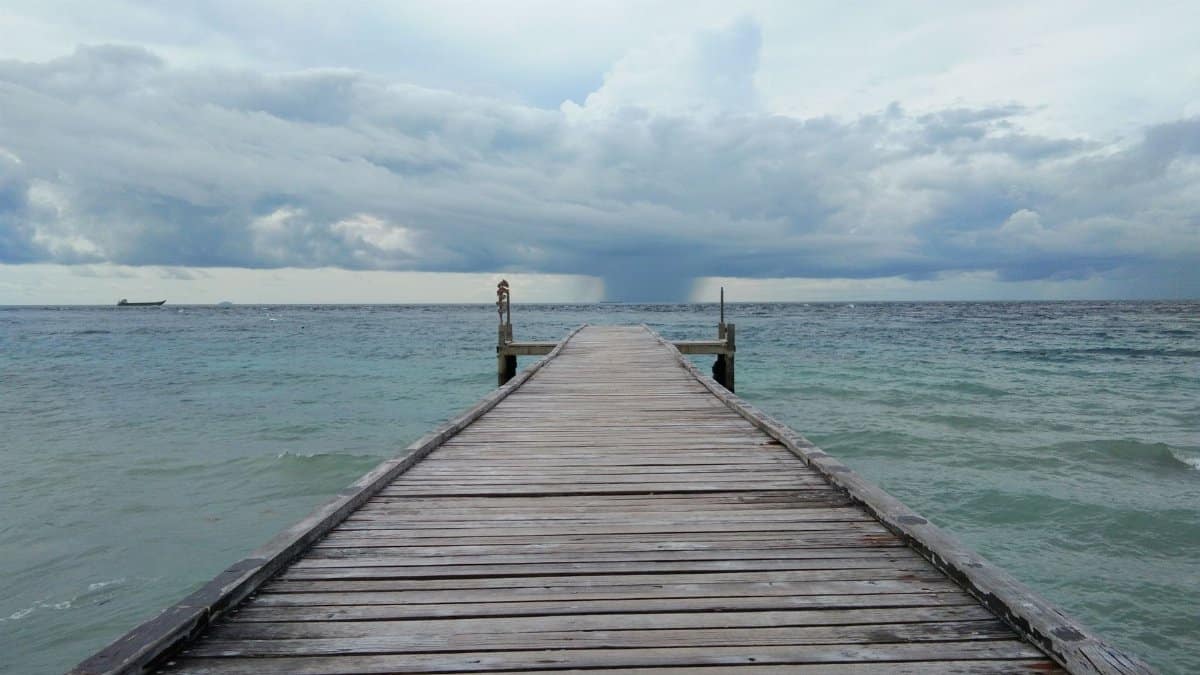
Cruise days are built on the fiction that the schedule is a promise. Passengers rise, eat, walk a gangway, and trust that the next port will appear on time. In this case the next movement did not come. Crew members, according to accounts shared by travelers and local officials, told people the ship would remain in place while the company sorted a fuel bill it no longer wished to carry at the prevailing price. What had been a scenic stop in Asia turned into an unplanned residence.
The difference between a delay and a halt is not semantic. A delay still belongs to the voyage. A halt dissolves it. Luggage that was meant to roll from cabin to coach instead sat in corridors. Dinner seatings lost their meaning. People who had budgeted for excursions began budgeting for nights they had not planned to buy. The mood on the dock, travelers later described, was less panic than a slow recognition that the map in the daily program was no longer in force.
Two sisters and a ticket that stopped working

The California sisters at the center of the story had treated the sailing as a rare stretch of uninterrupted time. One worked in a school office. The other kept irregular hours in health care. They had saved, coordinated leave, and chosen a route that would carry them through several Asian ports before a flight home from a city they had circled on a paper itinerary. None of that planning contemplated a company decision to stop the ship because bunker fuel had become too expensive to justify the remaining days.
Their situation was not unique, and that was part of the shock. They were not lost in a wilderness. They were in a busy port city with hotels, taxis, and Wi Fi, surrounded by hundreds of people holding the same useless cabin keys. Familiar comforts did not cancel the fact that the mechanism meant to move them had been switched off. Friends at home searched flight inventories. The sisters compared passport stamps, remaining cash, and the small print they had skimmed months earlier in a brighter mood.
Fuel prices as a plot twist nobody booked
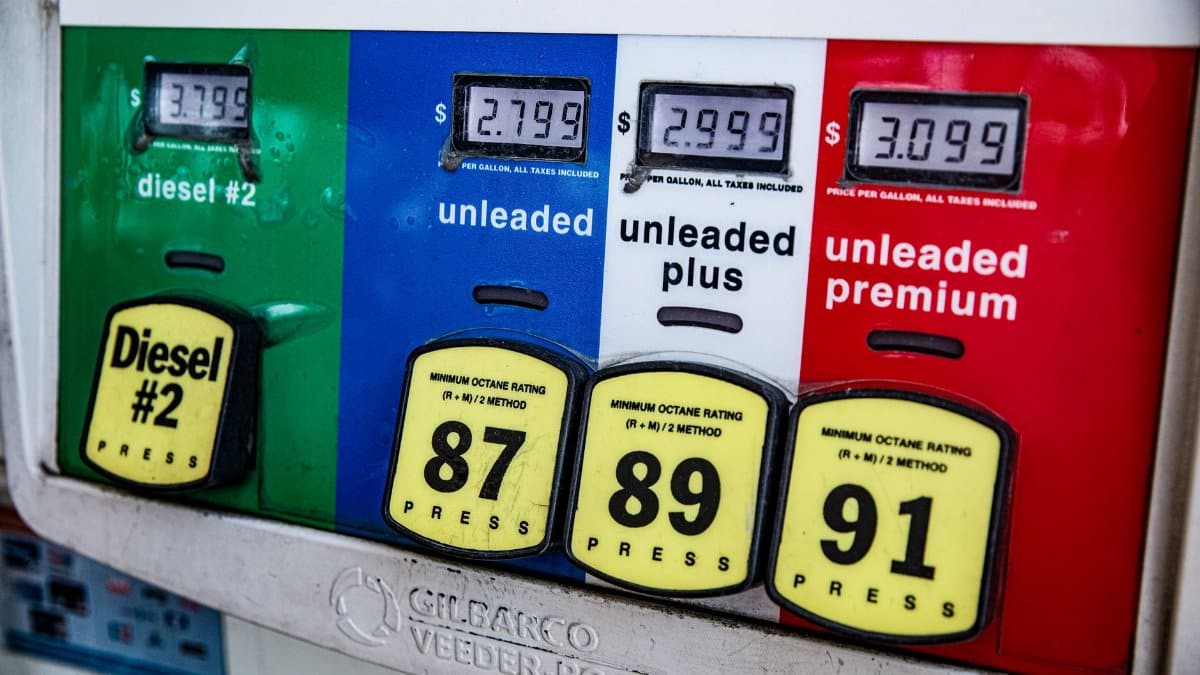
Marine fuel is not a line item passengers see, yet it can decide whether a voyage exists. Ships burn large volumes each day. When prices rise sharply, an operator staring at a half empty forward book or a thin margin can conclude that finishing the itinerary costs more than stopping it. That calculation is cold. It is also, in a narrow accounting sense, rational. The trouble is that the people who paid for the romance of the route are not parties to the spreadsheet.
Energy markets have jolted travel before. Airlines cancel city pairs. Trucking firms park rigs. What feels new, at least to many of the passengers involved, is the intimacy of the failure. A canceled flight still happens in an airport built for disruption. A halted cruise happens in a floating hotel whose entire purpose is continuity. When continuity ends offshore from home, the California cruise stranded episode becomes a lesson in how exposed leisure travel is to commodities most vacationers never price.
The first forty eight hours on land
Practical needs arrived before philosophical ones. People needed beds, meals, medication refills, and a way to tell relatives they would not appear at the airport on the printed date. Some had travel insurance. Some had credit cards with room to spare. Others had spent the cushion on shore tours and now faced rack rates in a city that had not expected several hundred extra guests at once.
Local hotels absorbed part of the surge. A few passengers reported that the cruise company arranged temporary rooms. Others said they were pointed toward a general help desk and left to negotiate alone. Those conflicting accounts matter. They show how uneven a corporate response can feel when staff are themselves waiting for instructions from an office many time zones away. In a crowd, the difference between a voucher and a suggestion is the difference between sleep and a night in a lobby chair.
What the contract rarely says in plain speech

Cruise tickets are dense documents. They reserve broad rights for the operator to change ports, substitute ships, or end a voyage when safety, weather, or commercial conditions intervene. Fuel cost is not always named as a dramatic clause. It can hide inside language about circumstances beyond reasonable control or about the company’s discretion to alter the product. Few travelers read those paragraphs as a forecast. They read them as boilerplate, the way people initial a rental car form.
Lawyers who follow travel disputes note that the paper often favors the company, while public pressure and card network rules sometimes favor the customer after the fact. Refunds, future credits, and reimbursement for hotels are not the same remedy. A credit toward another sailing is cold comfort if the traveler no longer trusts the brand, or if work leave cannot be rebuilt. For the sisters, the immediate question was not the eventual settlement. It was whether anyone would pay for the unplanned path from a foreign pier to a California front door.
Getting home when the ship will not
Repatriation in peacetime is mostly a commercial puzzle, not a rescue. United States consular staff can help citizens contact family, understand local rules, and, in limited cases, point toward emergency loan programs. They do not operate a free airline. Passengers still need seats, visas that have not quietly expired, and funds or a card that a foreign hotel will accept. In a region with multiple departure cities, the smartest route is not always the nearest airport. It is the one with space.
Group chats filled with screenshots of fares that jumped as hundreds searched at once. Some travelers split up, sending one person ahead to hold a job or a pet sitter’s patience. Others refused to separate. The sisters, by several accounts circulating among passengers, tried to stay together, calculating that two coordinated tickets were worth more than a cheaper seat for only one. That choice is easy to admire and hard to price. Loyalty has a airfare.
Waiting as an unplanned spiritual exercise

There is a reason stories of interrupted journeys show up in scripture, novels, and the quiet talk of people who did not expect to be still. A cruise sells motion. Stillness, when it arrives uninvited, strips the entertainment and leaves the self. Some passengers described anger that felt clean and justified. Others described a thinner feeling, closer to grief for a trip that would not be recovered in photographs. A few, including travelers who packed a small book of prayers, said the empty hours pushed them toward gratitude that they were safe, fed, and merely inconvenienced rather than harmed.
That mix does not cancel the bill. It does explain why a travel fiasco can land in a conversation about meaning. The category of spiritual news is not only sermons and festivals. It is also the moment when plans fail and people discover what they reach for: a sibling’s hand, a psalm, a furious email, a joke that keeps the line moving. For the sisters, faith was not a substitute for a boarding pass. It was a way to stay decent to each other while the decent outcome stayed out of reach.
A crowd is not a single story

Hundreds stranded does not mean hundreds identical. Retirees with flexible calendars faced a different harm than parents who had to reopen child care. Travelers with mobility limits could not easily pivot to a cheap hostel. Passengers whose prescriptions lived in a cabin safe needed staff cooperation that a shuttered itinerary does not automatically provide. Nationality mattered too. Consular networks are not equal, and English fluency is not universal, even on a ship marketed in English.
Any honest account of a California cruise stranded in Asian waters has to hold that unevenness. The sisters had relative advantages: United States passports, family who could wire help, and the publicity that sometimes follows a vivid family detail. Other passengers had quieter emergencies. Journalism that lingers only on the most photogenic pair risks missing the wider ledger. The fuel decision did not sort people by virtue. It sorted them by whatever resources they happened to carry.
What operators and ports may change next
Industry veterans will treat this halt as a case study whether or not they say so in public. Fuel hedging, cancellation thresholds, and the duty to shelter passengers are already debated in board rooms. A visible failure raises the cost of looking indifferent. Ports, too, have an interest. A sudden crowd stresses hotels, clinics, and the patience of a waterfront that did not invite a corporate retreat. Cities may ask, in future berthing agreements, what happens if a ship arrives and then refuses to leave on schedule.
Passengers cannot hedge bunker prices. They can ask sharper questions before they pay. Does the line publish a clear policy for commercial cancellations, not only for storms? Will hotels be covered at a stated daily cap? Is the remedy cash, or a credit that expires? Those questions will not charm a sales call. They are the grown up version of reading the weather. After this episode, more travelers may ask them, which is a modest form of progress purchased at other people’s expense.
The brochure will not match the memory

Homecoming, when it comes, will not restore the days. The sisters will likely remember the pier more clearly than any temple or market they did manage to see. They may receive refunds, apologies, and a note about a future discount. They may also carry a revised sense of how thin the membrane is between a purchased dream and a stranded afternoon. That revision is not cynicism. It is literacy.
High fuel costs will rise and fall. Ships will keep selling the idea that the world can be visited in a straight line from a single suitcase. Sometimes the line holds. Sometimes it does not, and a California cruise stranded becomes the truest description of a week that was supposed to be easier than ordinary life. The measure of the company, and of the rest of us watching, is not whether the sea stays cheap. It is whether the people left on the dock are treated as customers still, or as a cost the voyage can no longer afford.