
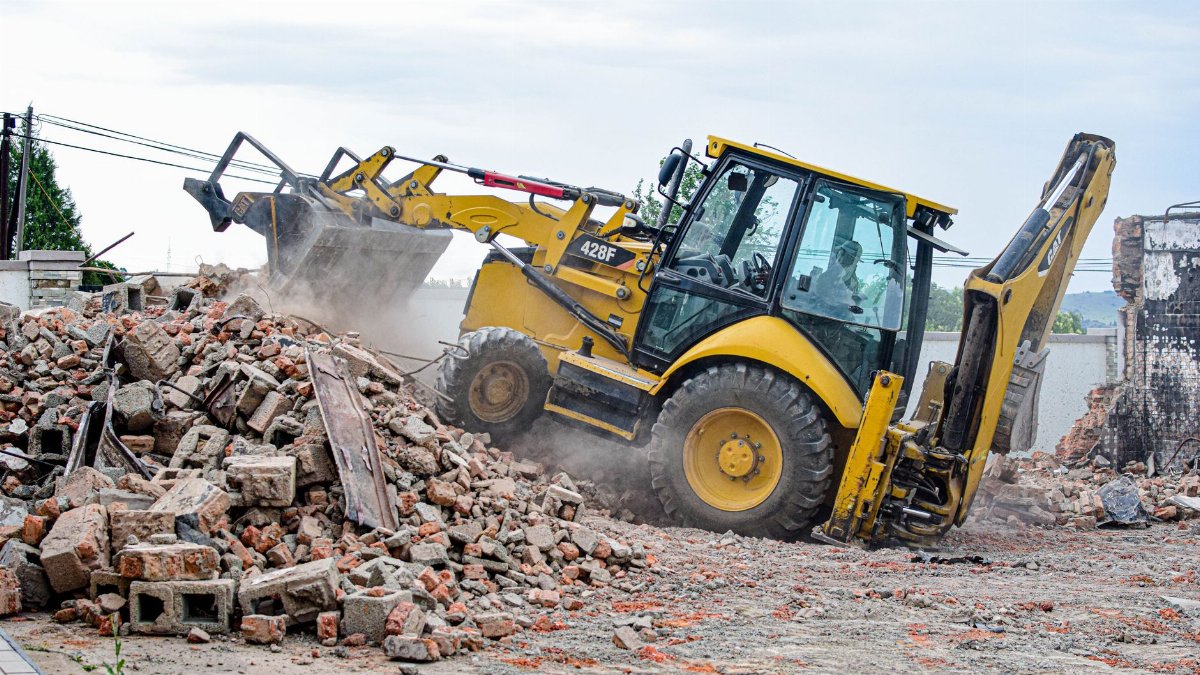
On a late October morning in Houston Midtown, the sound of heavy equipment cut through a neighborhood better known for quiet blocks and old trees. Crews had already opened the walls of a grand house before city staff reached the site and delivered a plain order: all work must stop. The Kirby Mansion demolition had started without a city permit, and by the time the machines went quiet the damage was no longer theoretical.
A house that carried a lumber fortune into the city

The mansion is tied to John Henry Kirby, the lumber magnate whose name still sits on Houston streets, companies, and civic memory. Built in the 1920s as a showpiece for a man who helped turn East Texas pine into industrial wealth, the house was never just a private address. It was a statement about arrival. Brick, tile, and formal rooms announced that Houston could host grandeur as well as commerce.
For decades the property stood near Smith Street as Midtown changed around it. Apartments rose. Surface lots multiplied. The mansion remained one of the few grand residences that still suggested an earlier map of the city, when a single household could occupy a block with gardens, servants quarters, and a driveway meant for visiting dignitaries. Preservation advocates have long treated that survival as fragile. In Houston, land value often speaks louder than brick.
The morning the machines arrived

According to public accounts of the episode, work began on October 30. Neighbors reported crews on the property and visible harm to the structure before any approved demolition permit was in hand. In a city where teardowns can move with startling speed, that sequence matters. A permit is not a courtesy. It is the moment when planners, inspectors, and in some cases preservation staff get a chance to ask what is about to disappear.
By the time the city intervened, significant damage had already been done. Walls and architectural fabric that took skilled labor to raise were altered in hours. That is the cruel arithmetic of demolition. Reversal is rarely available once the opening cuts are made. A stop work order can freeze a site. It cannot unmake a hole in a historic facade.
A permit that was not there
Houston requires permits for demolition, as it does for most substantial construction. The process is meant to confirm ownership, utility disconnections, safety plans, and compliance with local rules. When the Kirby Mansion demolition proceeded without that paperwork, the city was left reacting to a job already underway rather than reviewing one still on paper.
Officials then did what procedure allows. They ordered that all work must stop. Reporting from the Houston Chronicle described a halt after inspectors found the project lacked the required city permit. The phrase is bureaucratic. The effect is physical. Crews stand down. The building, already wounded, waits in a legal pause while agencies sort violations, penalties, and whatever future the owner still intends.
Absence of a permit does not always mean a secret plot. Sometimes it means a contractor moved early, a filing lagged, or someone calculated that forgiveness would be cheaper than delay. Motive is harder to prove than sequence. Sequence, in this case, is clear enough to alarm anyone who cares about process. The house was hit first. Permission was the missing step.
What inspectors can halt and what they cannot restore
A municipal stop is a powerful but narrow tool. It can halt equipment, demand corrections, and open the door to fines. It cannot summon the original craftsmen or the original materials. Historic houses are assemblies of irreplaceable decisions: the curve of a stair, the thickness of a wall, the way light was meant to enter a room. Once those decisions are smashed, a later restoration is an interpretation, not a return.
That limitation should shape how cities talk about enforcement. Speed is part of the harm. If a crew can remove character defining features before an inspector arrives, the permit system functions as a record of loss rather than a barrier to it. Neighbors become the alarm system. That is a weak design for a city that claims to value its landmarks.
Midtown and the pressure sitting under every old roof
Midtown is not a museum district. It is a real estate market with a downtown address and a hunger for density. Lots that once held a single mansion can hold flats, retail, or a tower pad. Owners feel that pressure in tax bills, in offers, and in the simple fact that an empty or underused grand house is expensive to keep. None of that erases the public interest in a landmark. It does explain why demolition tempts people who see a balance sheet where others see a streetscape.
Houston has never zoned in the manner of many peer cities, and that civic choice still shapes these fights. Protection, where it exists, arrives through historic designation, deed restrictions, and the permit desk, not through a single zoning map that tells an owner what may rise next door. Designation can slow a teardown. It rarely removes the economic urge. The Kirby Mansion demolition sits inside that older argument about what Houston owes its own past when the present bids higher.
Neighbors who heard the walls come down
People who live near a landmark often know its moods better than any file downtown. They notice when lights change, when gates open, when a dumpster appears. On October 30 those ordinary observations became evidence. The sound of demolition is not subtle. It carries. Residents who called attention to the work performed a civic function that the permit system, in that hour, did not.
I have stood on other streets where a familiar house vanished between a Monday and a Friday, and the feeling is less nostalgia than disorientation. The block still has a name. The reference point is gone. Midtown residents now have a damaged mansion and a set of unanswered questions about who authorized the first blow and who will pay for what cannot be put back.
How preservation actually works in Houston
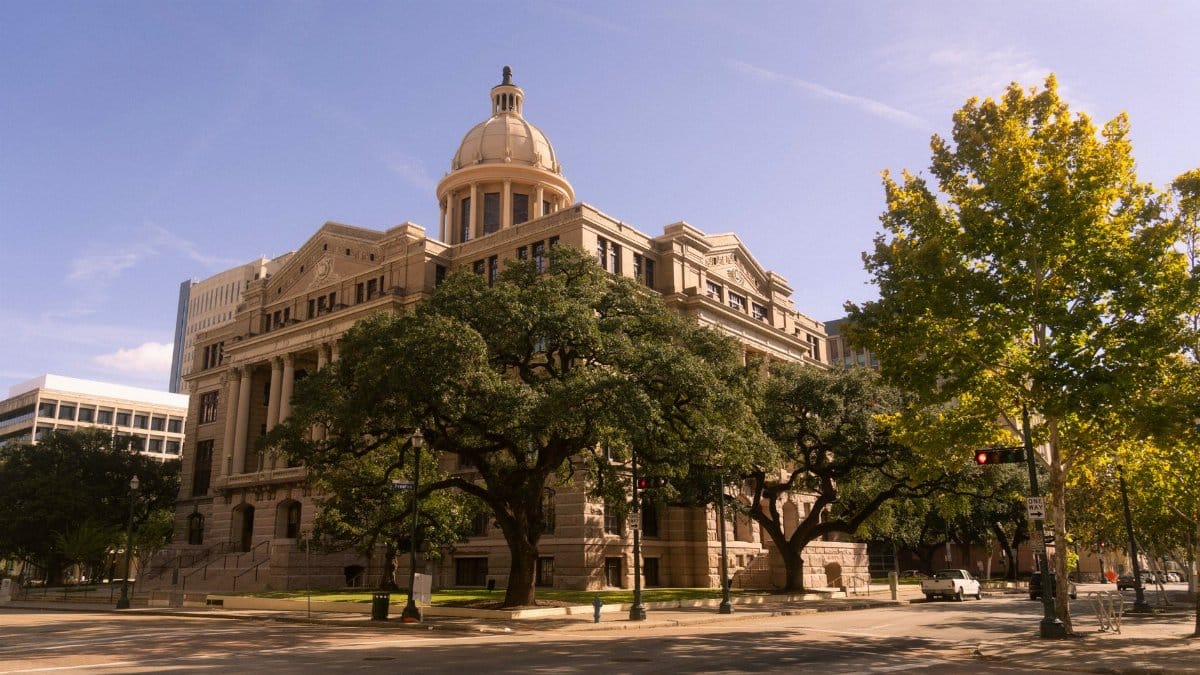
Historic preservation in this city is a patchwork. Some buildings carry landmark status. Others are loved without legal armor. The difference decides whether a demolition request triggers extra review or sails through as a routine clearance. Even protected buildings face appeals, hardship claims, and owners who would rather negotiate a loss than fund a repair.
Advocates have argued for years that Houston celebrates its future so loudly that it treats old buildings as delays. The counterargument is practical. Not every old house can be a museum. Maintenance is costly. Adaptive reuse, the conversion of a grand residence into offices, events space, or carefully divided homes, is often the only path that keeps walls standing. That path requires time, capital, and a city willing to make reuse easier than erasure. A surprise teardown short circuits all three.
Penalties, paperwork, and the message they send

What happens after an unpermitted start is a test of seriousness. If the consequence is a modest fine and a late permit, the lesson for the next owner is simple: move fast, settle later. If the consequence includes a meaningful penalty, a required salvage plan, or a bar on immediate redevelopment, the lesson changes. Process starts to have weight.
Residents watching the Kirby Mansion demolition will judge the city less by its press statements than by the file that follows. Did inspectors document the damage. Did the owner face more than a pause. Will any reconstruction be held to a standard that respects what was lost. Those are administrative questions with moral content. A landmark is a public fact even when the deed is private.
Memory, stewardship, and what a city agrees to keep

There is a spiritual dimension to this fight that has little to do with doctrine and much to do with stewardship. Communities decide, often without saying so, which places are allowed to carry memory forward. A mansion built from a lumber fortune is not a chapel. It is still a vessel. It holds the story of extraction and ambition, of households and labor, of a city that grew rich on forests now largely gone. To level it without permission is to treat that vessel as waste.
Faith traditions and secular civic life share a vocabulary here, even when they do not share a creed. Care for what we inherit. Refuse to let haste impersonate necessity. Honor the work of hands we will never meet. Those are not zoning terms. They are reasons a broad public, including readers who will never walk Smith Street, recognizes the injury when a historic house is opened by machines before the city has said yes.
What can still be saved

The halt does not end the story. Damage already done will shape every option. A full restoration may be unrealistic if structural elements are compromised. Partial salvage, documentation, and a binding plan for what remains are still possible. So is a quieter failure, in which the pause expires and the lot is cleared under a permit that arrives too late to matter.
City leaders can still choose transparency. Publish the enforcement steps. Explain what permit, if any, may follow. Invite preservation specialists to assess what fabric survives. Owners can still choose repair over spectacle. None of those choices restores October 30. They do decide whether the Kirby Mansion demolition becomes a finished act or an interrupted one.
A street that will remember the noise
Houston will keep growing. Midtown will keep filling in. The question is whether growth includes a memory of the rooms it replaces. A permit is a small piece of paper beside a mansion, but it is one of the few moments when the public gets to stand in the path of a private erasure. On this site, that moment came after the erasure had begun.
All work must stop is a necessary sentence. It is not a sufficient one. The house, scarred and still standing in the public eye, now asks the city what it is willing to require next. If the answer is only a late signature on a form, then the sound neighbors heard will be the real policy. If the answer is accountability, documentation, and a hard look at how fast a landmark can be wounded, then the Kirby Mansion demolition may yet teach Houston something worth keeping.