
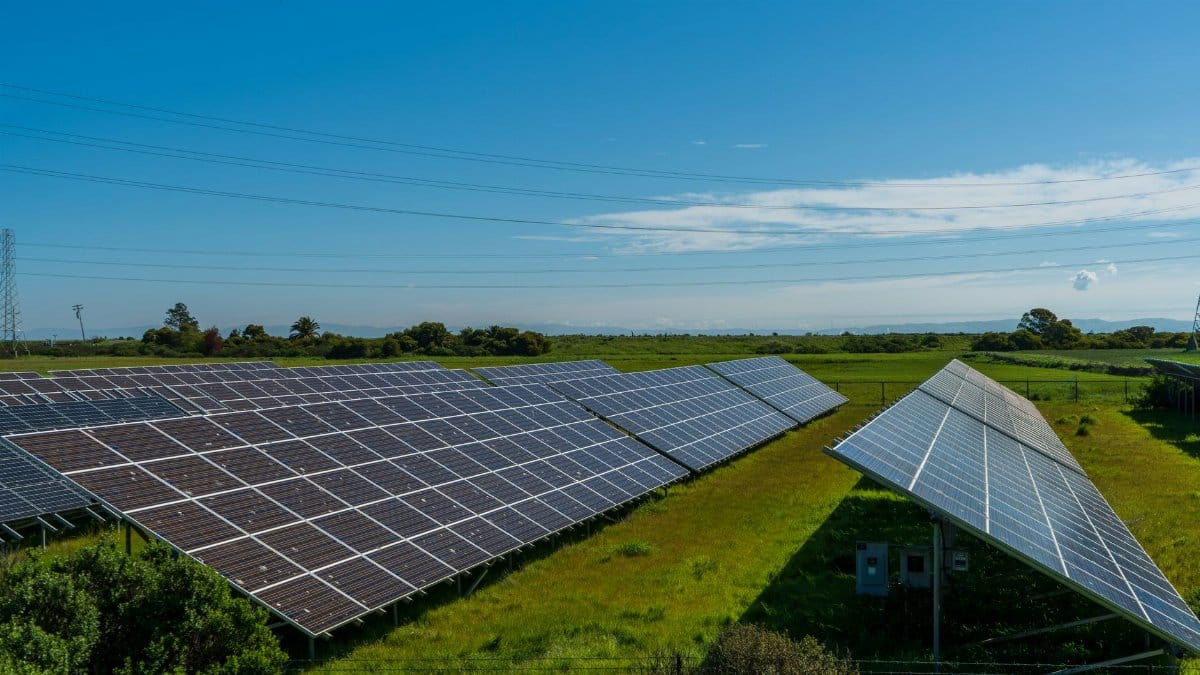
California has long been at the forefront of environmental efforts across the nation. During the month of May this year solar power supplied more than half the electricity used in the state. This achievement sets the California solar record as a benchmark for what large scale power systems can accomplish when renewable sources are prioritized. Observers note that such progress reflects broader shifts in how society values sustainable resources amid changing climate patterns.
Policy Frameworks Supporting Expansion

State leaders have enacted measures that encourage investment in photovoltaic systems on both rooftops and open lands. These rules reduce barriers for developers while ensuring grid stability through updated transmission lines. Communities benefit as new installations create jobs in installation and maintenance sectors.
Technological Advances Enabling Scale

Improvements in panel efficiency and battery storage allow greater capture of sunlight even during variable weather. Engineers focus on materials that last longer under intense conditions common in western regions. Such innovations lower overall costs making adoption feasible for more households and businesses.
Grid Management During Peak Periods

Operators have refined forecasting tools to balance supply from solar with other sources when demand spikes. This coordination prevents disruptions and maximizes use of clean output throughout daylight hours. The approach demonstrates how modern controls support high shares of intermittent generation.
Economic Impacts on Local Markets

Lower energy expenses free up funds for families and industries alike leading to increased spending in other areas. Rural counties see particular gains from large projects that bring tax revenue and infrastructure upgrades. Analysts track these effects to understand long term fiscal advantages.
Environmental Benefits Beyond Electricity

Reduced reliance on fossil fuels cuts air pollutants that affect public health in urban centers. Wildlife habitats gain protection as development avoids sensitive zones through careful planning. These outcomes align with goals for preserving natural landscapes for future generations.
Public Awareness and Adoption Trends

Residents increasingly choose solar options for homes after seeing community examples of success. Educational campaigns highlight savings and reliability helping overcome initial hesitations. This grassroots movement strengthens overall commitment to cleaner practices.
Challenges in Sustaining Momentum

Land use conflicts arise in some areas where agricultural needs compete with energy projects. Solutions involve creative designs like agrivoltaics that combine farming with power production. Ongoing dialogue among stakeholders helps resolve tensions effectively.
Global Context for Similar Efforts

Other regions examine the California solar record for lessons on scaling renewables quickly. International partnerships share data on best practices for integration and policy design. This exchange speeds progress toward worldwide emissions reductions.
Future Outlook for Energy Systems

Continued research points toward even higher shares of solar in coming decades with supportive storage growth. Policymakers consider updates to incentives that maintain affordability across income levels. The path forward builds on current successes while addressing emerging needs.