

In the elegant acoustics of Symphony Hall one recent evening the familiar strains of a Mahler symphony gave way to an undercurrent of unease among longtime subscribers who sensed that something fundamental had shifted in the institution they had supported for decades. The abrupt departure of conductor Andris Nelsons left many wondering how an orchestra with such a storied past could find itself so quickly adrift. The BSO Symphony Hall Crisis now stands as a cautionary tale for arts organizations nationwide as they navigate changing audience habits and internal governance challenges.
Roots of the Leadership Upheaval

The decision to part ways with Nelsons came after months of closed door discussions among board members who cited artistic differences and scheduling conflicts. Patrons learned of the change through a terse statement that offered little explanation for the sudden move. Musicians described a growing sense of disconnection from management that had built over several seasons. Attendance figures began to slip even before the announcement as regular concertgoers sensed instability in programming choices.
Impact on Daily Operations

Staff at the orchestra faced immediate questions about upcoming tours and recording projects that had been planned around Nelsons presence. Rehearsal schedules required quick adjustments while guest conductors stepped in on short notice. Financial officers reviewed contracts to determine potential penalties tied to the leadership change. The ripple effects reached into education programs where young musicians had expected master classes with the former music director.
Audience Trends and Ticket Sales

Subscription renewals dropped noticeably in the months following the leadership announcement as families reconsidered their commitments to the season. Single ticket buyers also showed hesitation turning instead to other cultural offerings in the city. Marketing teams launched new campaigns aimed at younger listeners yet early results remained modest. Data from comparable orchestras suggested that prolonged uncertainty often leads to lasting declines in engagement.
Financial Pressures Mount

Endowment returns provided some buffer yet operating deficits widened as revenue from performances fell short of projections. Fundraising events drew smaller crowds and corporate sponsors expressed caution about future pledges. The board explored cost cutting measures that included reduced staffing in administrative areas. External analysts noted that many orchestras face similar strains but few have experienced such rapid escalation tied to a single personnel decision.
Voices from the Orchestra
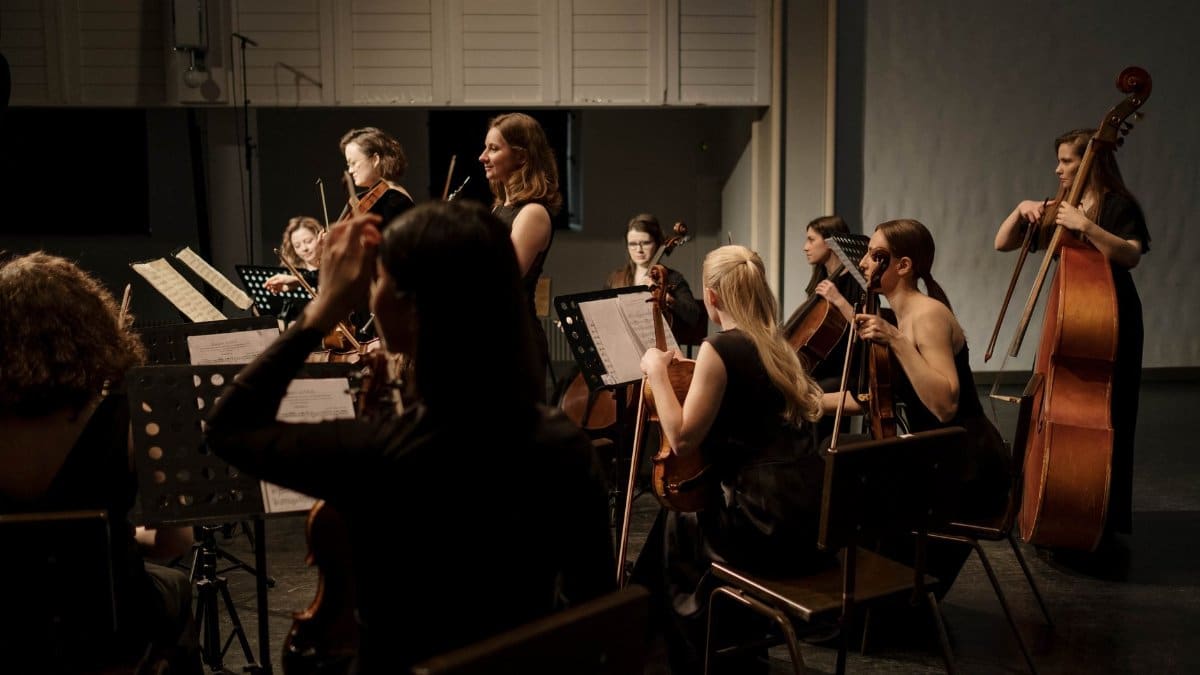
Players spoke privately of diminished morale and concerns over artistic direction in the absence of a permanent leader. Some considered opportunities with other ensembles while others remained committed to rebuilding. Union representatives met with management to discuss contract terms amid the transition period. These conversations highlighted deeper questions about how decisions get made in major cultural institutions.
Community Reactions and Broader Debate

Local arts advocates organized forums to discuss the future of classical music in Boston and what role the orchestra should play. Letters to the editor in regional publications revealed a mix of disappointment and calls for greater transparency from leadership. Younger listeners wondered whether traditional concert formats could adapt to modern expectations. The conversation extended beyond one city as observers in other regions watched for lessons that might apply to their own venues.
Search for a Successor

A search committee began reviewing candidates with an emphasis on those who could connect with diverse audiences while maintaining high artistic standards. International tours added complexity to the timeline as the orchestra balanced commitments abroad with domestic needs. Interim leaders focused on steady programming that would reassure ticket buyers during the interim phase. The process underscored how difficult it can be to find conductors who align with both artistic vision and institutional realities.
Looking Ahead for the Institution
Board members acknowledged that restoring trust would require more than a new appointment and pledged greater openness in future communications. Strategic planning sessions examined ways to expand digital offerings and partnerships with local schools. The experience served as a reminder that even venerable organizations must adapt to shifting cultural landscapes. Observers will watch closely to see whether the BSO Symphony Hall Crisis leads to meaningful reforms or further erosion of support.