
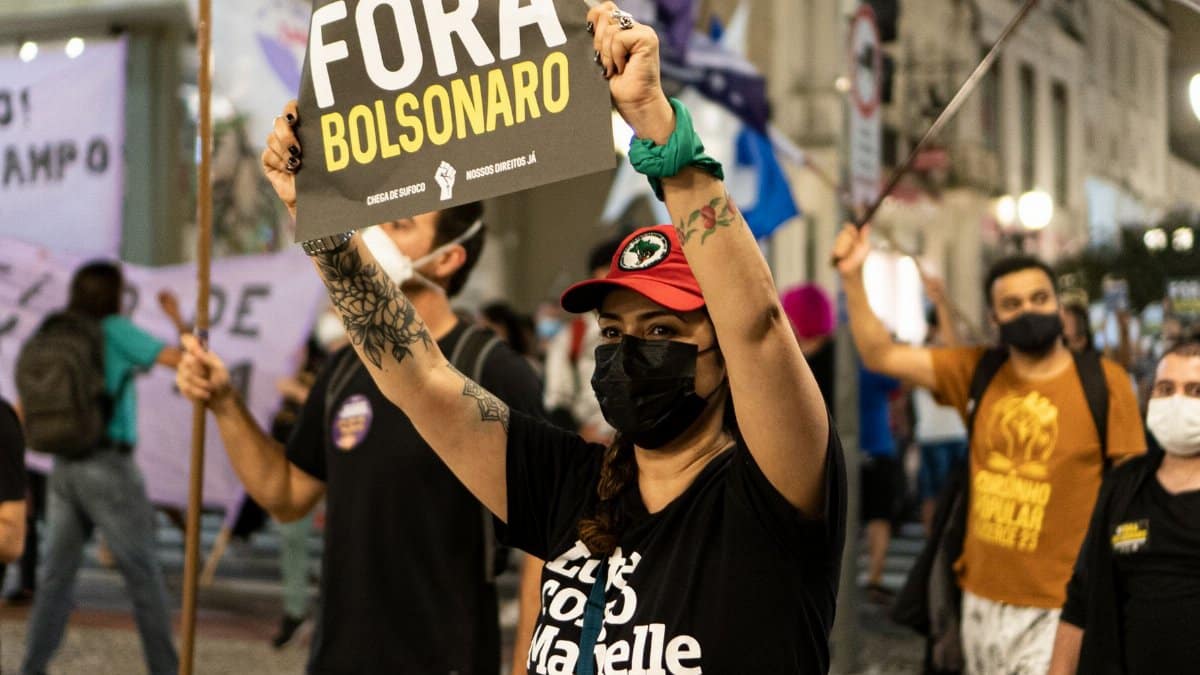
In the bustling avenues of Sao Paulo observers note a surprising turn in the upcoming elections. The Flávio Bolsonaro candidacy has secured the nomination of its party for the presidential race in October despite various legal and political obstacles. This development has sparked discussions across the nation about the future direction of leadership and policy. Many citizens weigh the implications for economic stability and social programs while family ties to prior administrations add layers of public scrutiny.
Background on the Nomination Process

The confirmation came after internal party votes and negotiations that highlighted shifting alliances. Supporters point to consistent legislative records on security measures and fiscal policies as reasons for the choice. Opponents raise questions about ongoing investigations that could affect campaign momentum in the months ahead.
Public Response Across Regions

Reactions vary widely from the northern states to the southern industrial zones. Urban centers show mixed enthusiasm with some rallies drawing crowds focused on continuity in conservative values. Rural areas often emphasize practical concerns like agricultural support and infrastructure projects tied to the platform.
Legal Challenges Encountered

Court proceedings have examined financial disclosures and past associations though the candidacy advanced after favorable rulings. Analysts suggest these matters may resurface during the general election cycle requiring careful navigation by the campaign team.
Economic Priorities Outlined

Proposals center on tax reforms and trade expansions aimed at boosting growth rates. The approach draws from experiences in prior terms with emphasis on reducing regulatory burdens for small enterprises. Critics argue more detail is needed on how these steps address inequality gaps.
Family Influence in Politics

Connections to earlier leadership provide name recognition yet also invite comparisons that shape voter perceptions. The candidate has sought to establish independent positions on key issues such as education funding and environmental protections.
International Relations Outlook

Foreign policy signals indicate a focus on strengthening ties with major economies while maintaining regional partnerships. Trade agreements and security collaborations feature prominently in early statements from the camp.
Campaign Strategies Emerging
Efforts include digital outreach and community meetings to broaden appeal beyond core bases. Messaging stresses resilience in the face of adversity and a commitment to national unity across diverse populations.
Potential Impact on October Vote
Polls reflect a competitive field where this Flávio Bolsonaro candidacy could consolidate certain voter blocs. Turnout patterns in key districts will likely determine whether the bid translates into broader success.
Broader Trends in Brazilian Governance

Shifts toward personalized leadership styles continue to define recent cycles with media coverage amplifying both achievements and controversies. Observers monitor how such dynamics evolve under new contenders.