
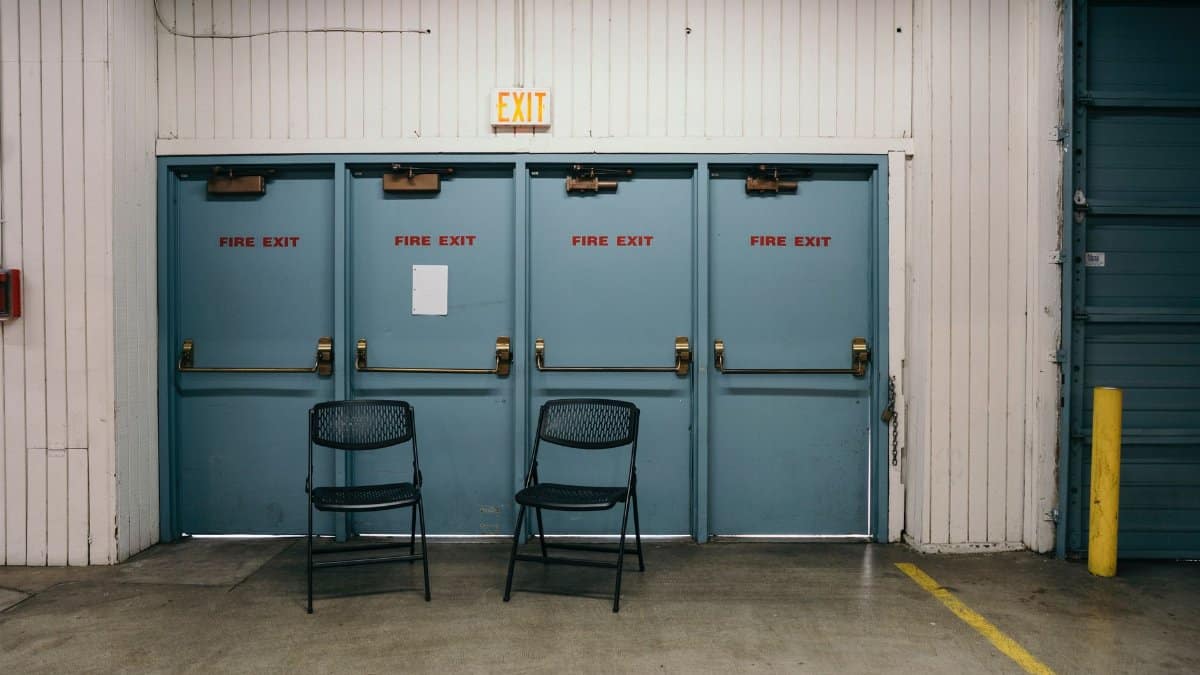
Firefighters worked through the night to bring a stubborn warehouse blaze under control in Los Angeles, leaving residents on edge about lingering smoke and what comes next. The Boyle Heights Fire Update shows how quickly an industrial accident can disrupt daily life across a dense urban neighborhood where homes sit close to commercial zones. Officials reported steady progress by dawn, yet questions remain about long term effects on air and public routines. This event highlights the challenges cities face when aging structures meet modern safety standards that sometimes fall short.
Early Morning Alarm and Rapid Response

Dispatchers received the first calls around 2 a.m. when neighbors noticed flames licking the roof of a large storage facility. Crews arrived within minutes and found heavy fire already consuming pallets of goods inside. Water lines were stretched across nearby streets as ladder trucks positioned to attack from above. The effort required coordination among multiple stations because the building size demanded simultaneous attacks on several fronts.
Challenges Posed by Stored Materials

Investigators later determined that the contents included plastics and chemicals that fed the flames and created thick smoke. Such materials release toxic compounds when burned, forcing responders to adjust tactics and protect themselves with extra gear. The intensity made interior attacks unsafe at first, so crews focused on containing the perimeter while monitoring for structural collapse.
Neighborhood Evacuations and Shelter Support
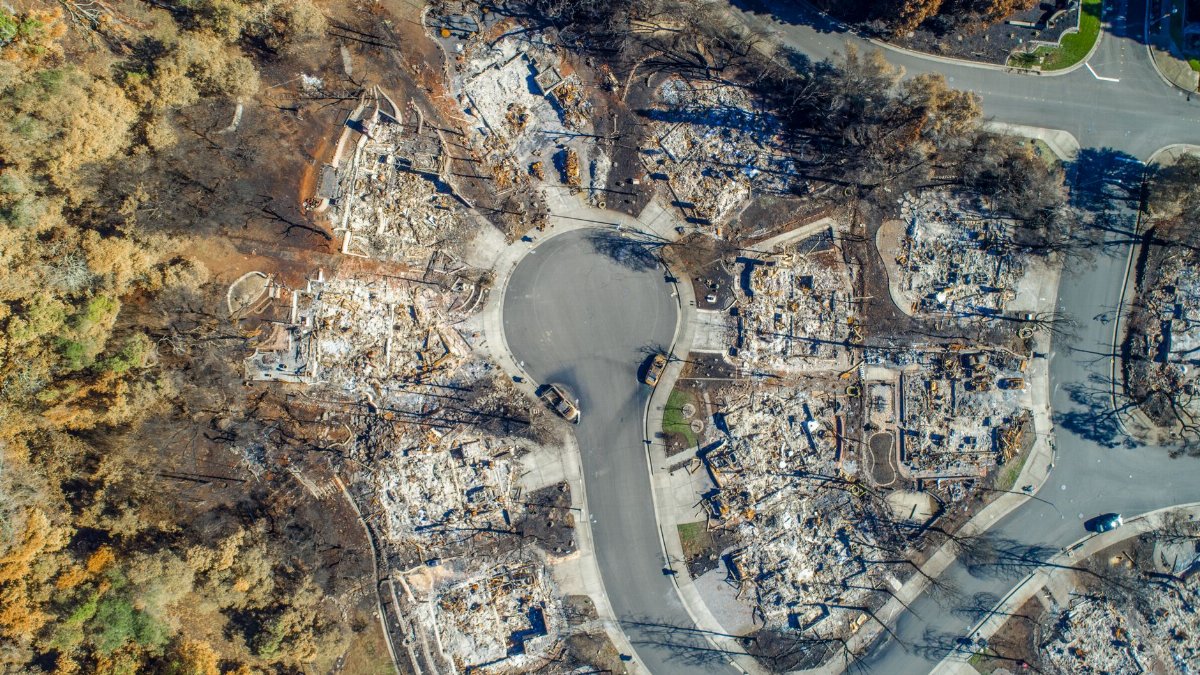
Several blocks were cleared as a precaution, with police guiding families to temporary centers set up at schools and community halls. Many residents left with only essentials and spent anxious hours waiting for updates. Local organizations provided blankets and meals, easing some of the immediate strain for those displaced overnight.
Air Quality Readings and Health Advisories
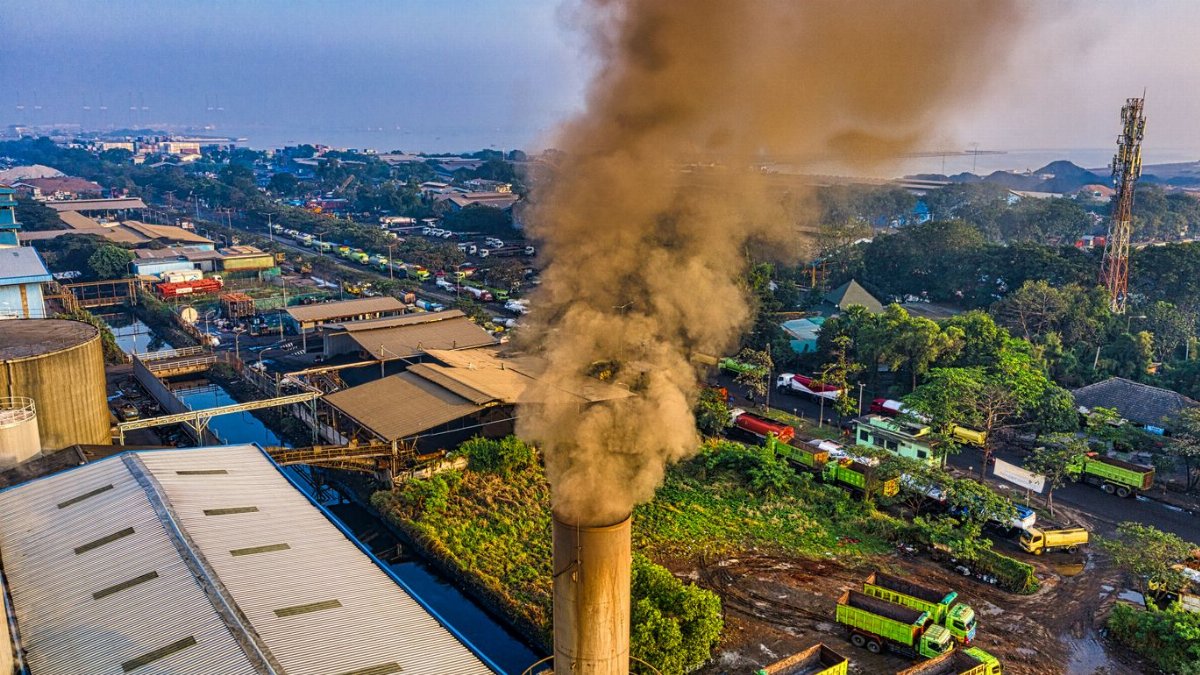
Monitors placed around the area recorded elevated particle levels that prompted warnings for sensitive groups to stay indoors. Health officials advised closing windows and using air filters where possible. The Boyle Heights Fire Update continues to track these measurements as winds shift and potentially carry remnants farther than first expected.
Statements from Fire Commanders
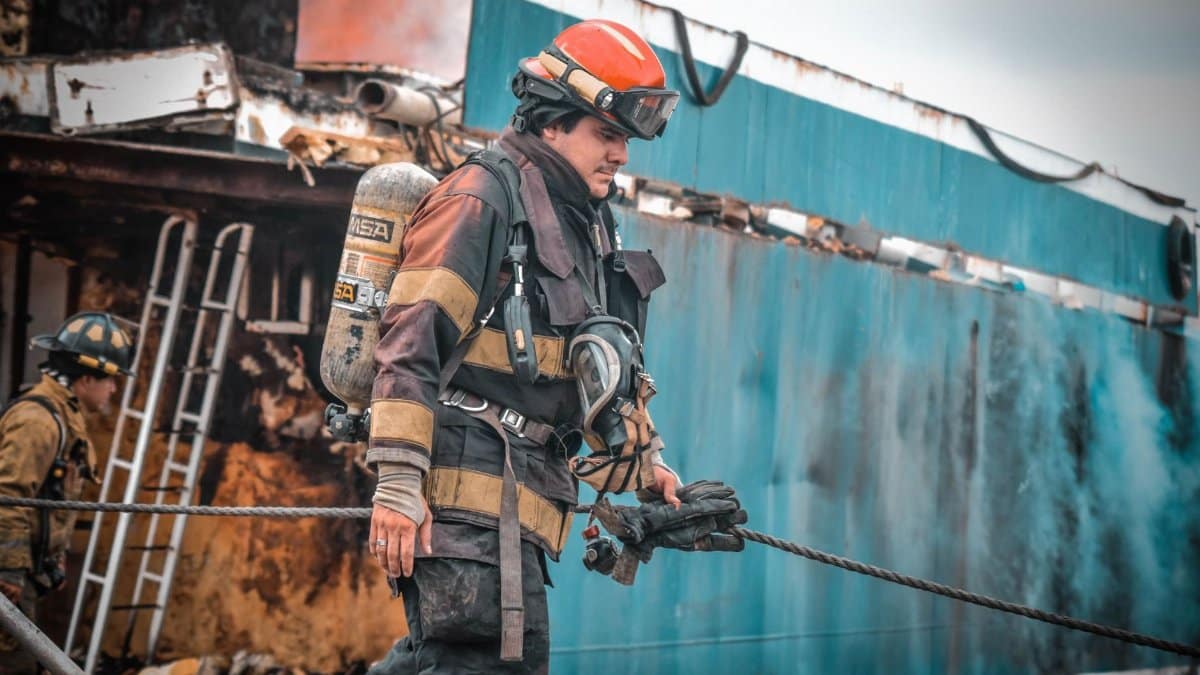
Chief officers held briefings emphasizing that the fire was nearly contained though hot spots required continued attention. They credited mutual aid agreements that brought additional engines and personnel from neighboring departments. Progress reports stressed caution, noting that full extinguishment could take additional hours even after visible flames subsided.
Impact on Local Businesses and Traffic
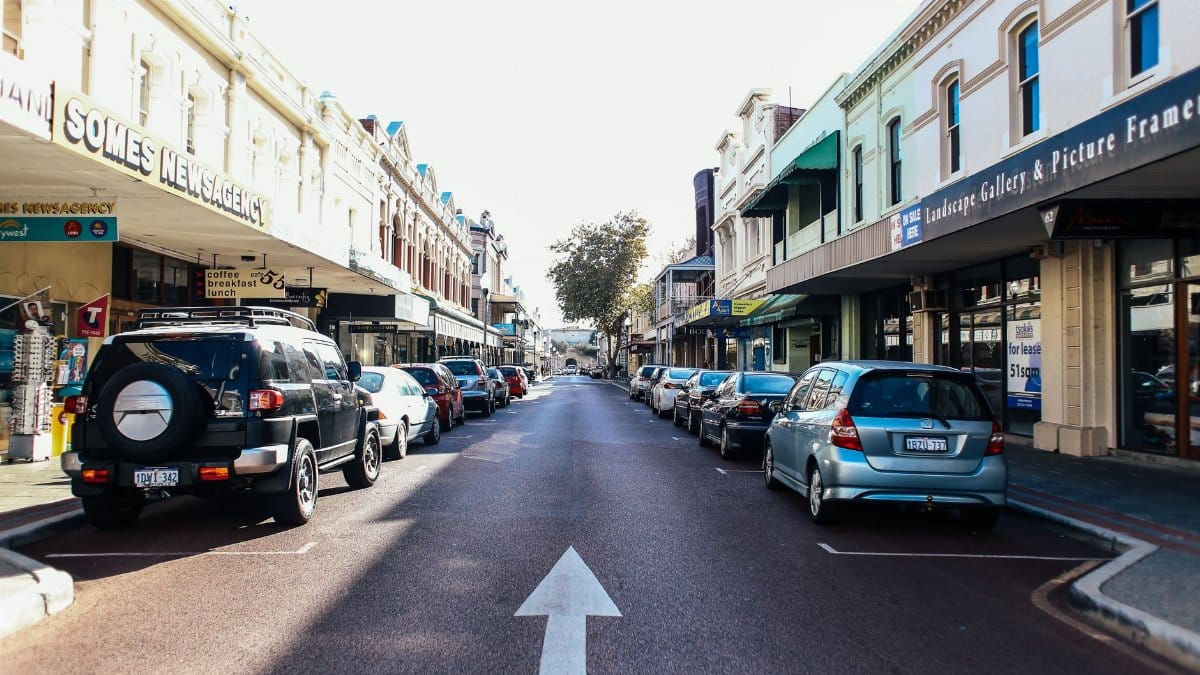
Road closures rerouted commuters and delivery trucks for much of the day, affecting shops and restaurants already navigating post pandemic recovery. Owners described lost revenue and uncertainty over when normal access would resume. City agencies promised expedited permits for any repairs needed once investigators cleared the scene.
Environmental Concerns Beyond the Flames
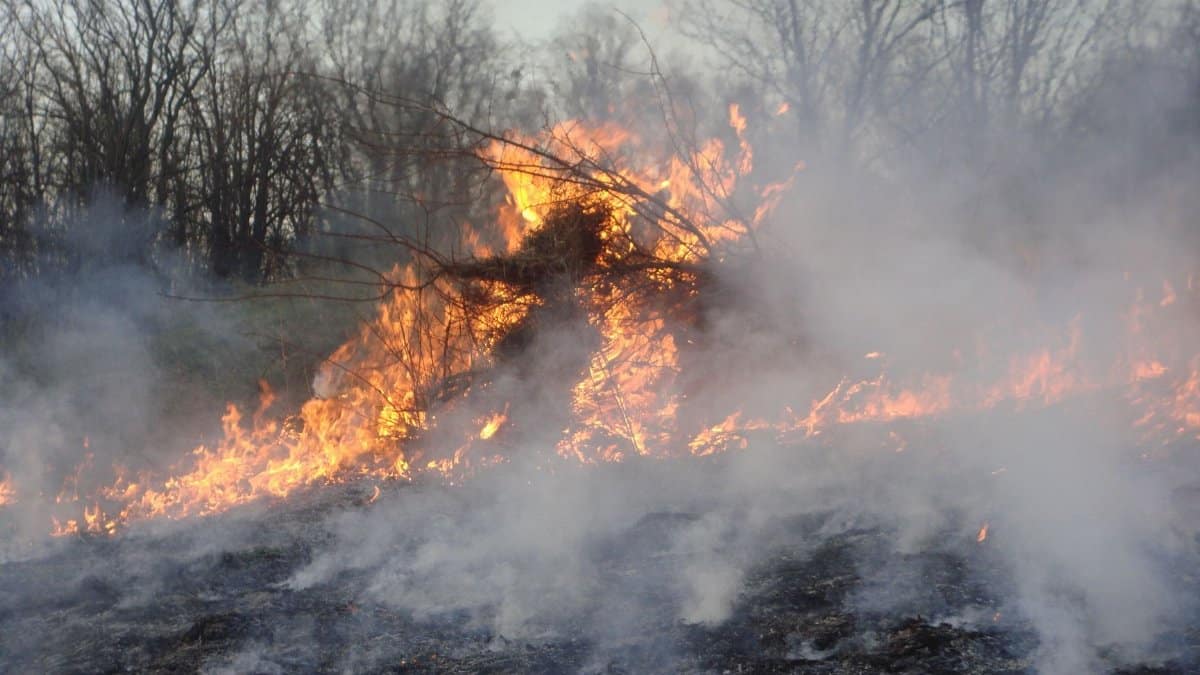
Runoff from firefighting water raised worries about drainage into nearby channels that feed into larger waterways. Specialists collected samples to check for contaminants that might affect soil or groundwater over time. Such assessments often extend weeks after the visible emergency ends.
Resident Perspectives on Safety

Longtime locals recalled earlier incidents in the same industrial corridor and voiced frustration over what they see as repeated risks. Some called for stricter zoning that separates residences from high hazard storage. Others focused on gratitude that no serious injuries occurred during this particular event.
Role of Modern Detection Systems
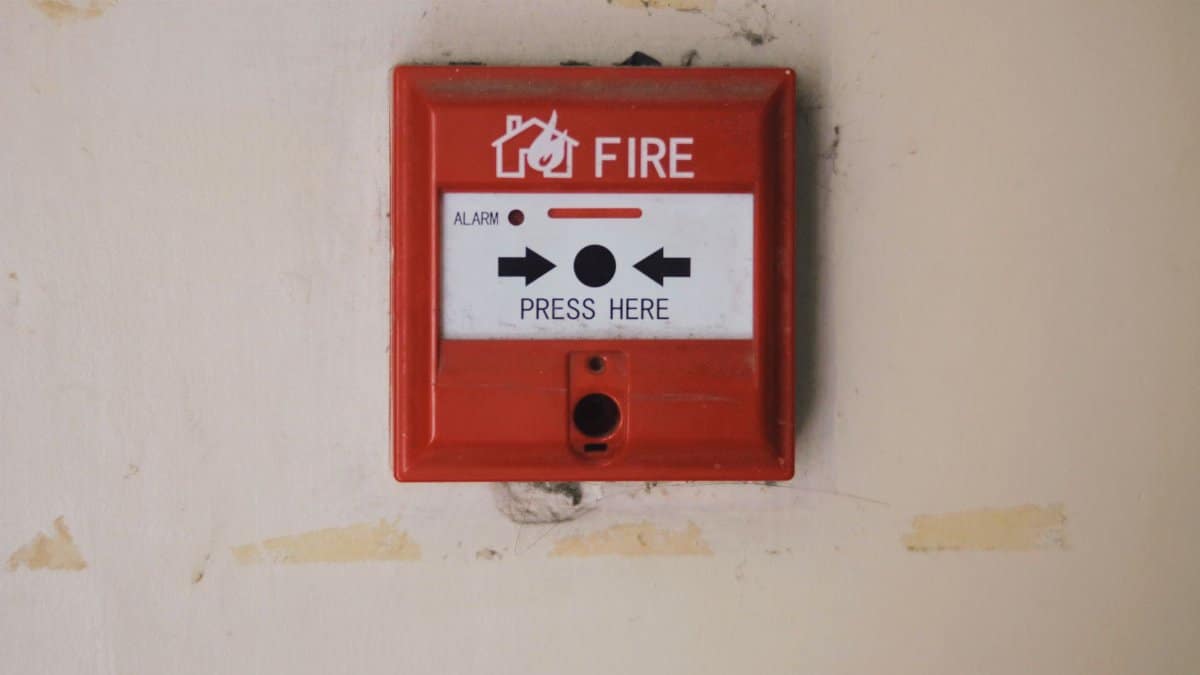
The warehouse lacked advanced sensors that might have alerted crews sooner, according to preliminary reviews. Upgrades to such technology across similar properties could shorten response times in future cases. Discussions among regulators now center on incentives for owners to adopt better monitoring.
Broader Lessons for Urban Planning
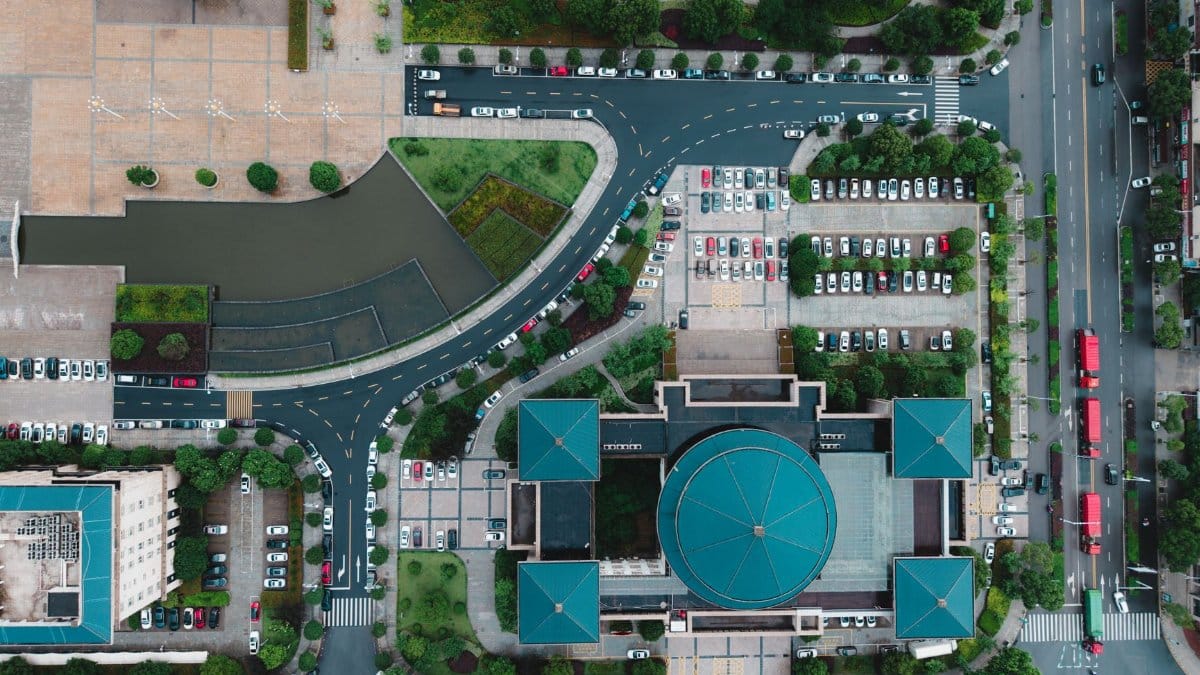
City planners are examining how this fire fits into patterns observed in other warehouse districts nationwide. Emphasis is growing on buffer zones and updated building codes that account for the types of goods commonly stored today. The Boyle Heights Fire Update serves as a reference point in those ongoing conversations.
Recovery Timeline and Next Steps
Cleanup crews expect to begin once investigators finish their work, a process that may stretch several days. Property owners will assess structural damage and decide on rebuilding plans. Community leaders plan forums to discuss ways to strengthen preparedness for the next unexpected event.