
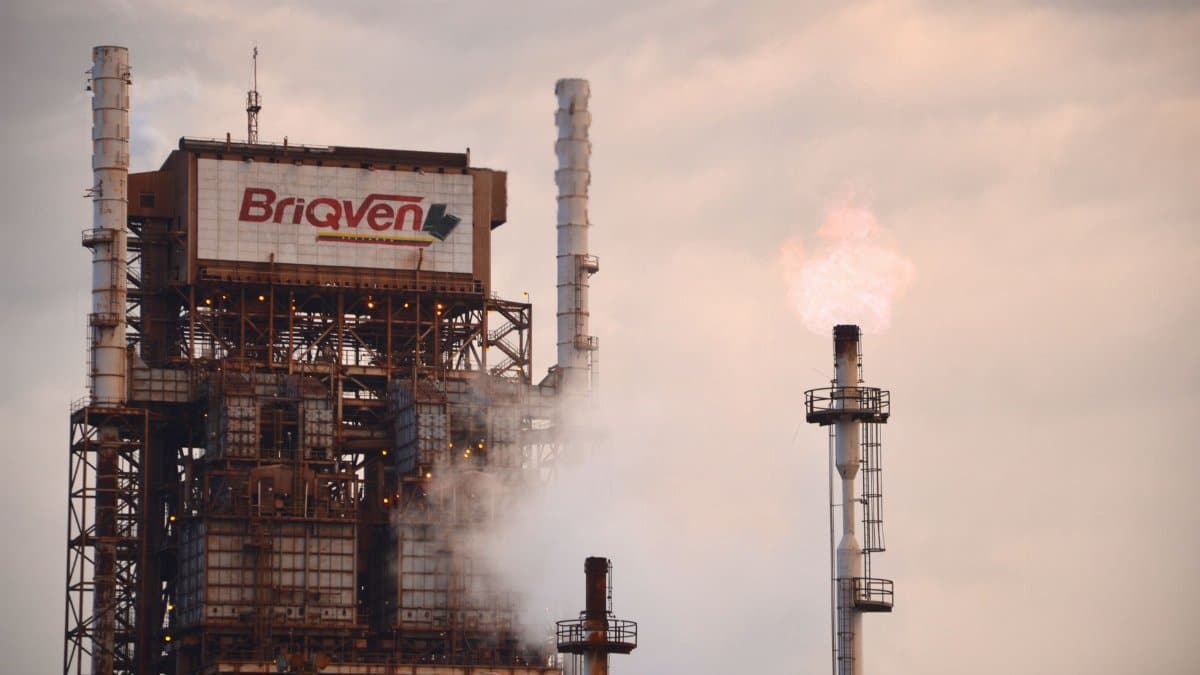
A massive blaze tore through a warehouse in Los Angeles recently sending thick smoke across several neighborhoods and prompting urgent shelter in place orders for thousands of people nearby. Officials quickly linked the event to potential health risks from poor air conditions as the Boyle Heights Fire continued to draw attention from environmental experts and local leaders alike. Families stayed indoors following guidance from authorities while emergency crews managed the scene over multiple hours. The situation underscored persistent issues around industrial safety in densely populated urban zones where such accidents can affect wide areas in a short time.
Immediate Effects on Local Air Conditions
Measurements taken shortly after the incident showed elevated levels of particulate matter in the atmosphere around the site. Experts noted that these particles can linger for days depending on wind patterns and weather. Residents in nearby blocks reported difficulty breathing outdoors even after initial flames were extinguished. Public health notices emphasized staying inside with windows closed to reduce exposure during the critical period.
Resident Accounts from Affected Areas
Many people described waking to the smell of burning materials and seeing dark clouds overhead. One family recounted gathering in a central room of their home while monitoring updates from city agencies. Others expressed worry about children and elderly relatives who might be more vulnerable to respiratory irritation. Community centers opened as temporary safe spaces offering bottled water and information on protective steps.
Official Actions and Shelter Guidance
City departments coordinated a swift response including road closures and notifications through mobile alerts. The shelter in place directive remained active for several hours until air samples indicated safer conditions. Fire department representatives held briefings to explain progress in controlling hotspots within the structure. Coordination with state environmental offices helped provide real time data to the public.
Health Recommendations Following Exposure

Medical professionals advised monitoring for symptoms such as coughing or eye irritation in the days after the event. Those with preexisting conditions were urged to consult doctors if discomfort persisted. Pharmacies reported increased demand for masks and air filters as supplies dwindled in local stores. Long term monitoring programs may be considered to track any patterns in clinic visits related to the smoke.
Environmental Concerns in Industrial Zones
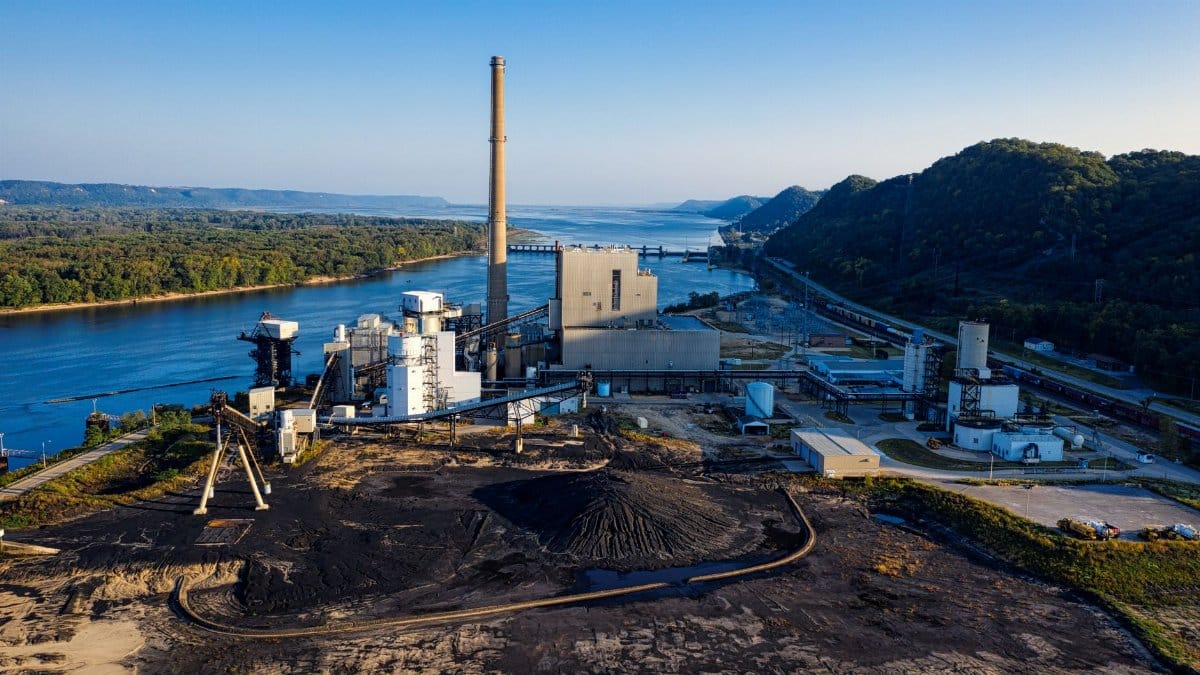
The fire brought renewed focus on storage practices for chemicals and flammable goods in warehouse districts. Advocates called for stricter inspections to prevent similar occurrences that could release toxins into surrounding communities. Soil and water testing near the site is planned to assess any lasting contamination from runoff during firefighting efforts. Such measures aim to protect broader ecosystems in the region.
Community Resilience and Support Networks
Local organizations mobilized quickly to distribute resources and check on isolated individuals. Volunteers assisted with errands for those unable to leave their homes during the advisory period. Discussions emerged about strengthening neighborhood preparedness plans for future emergencies of this nature. Faith based groups offered gatherings for reflection and mutual aid emphasizing unity amid uncertainty.
Economic Ramifications for Businesses
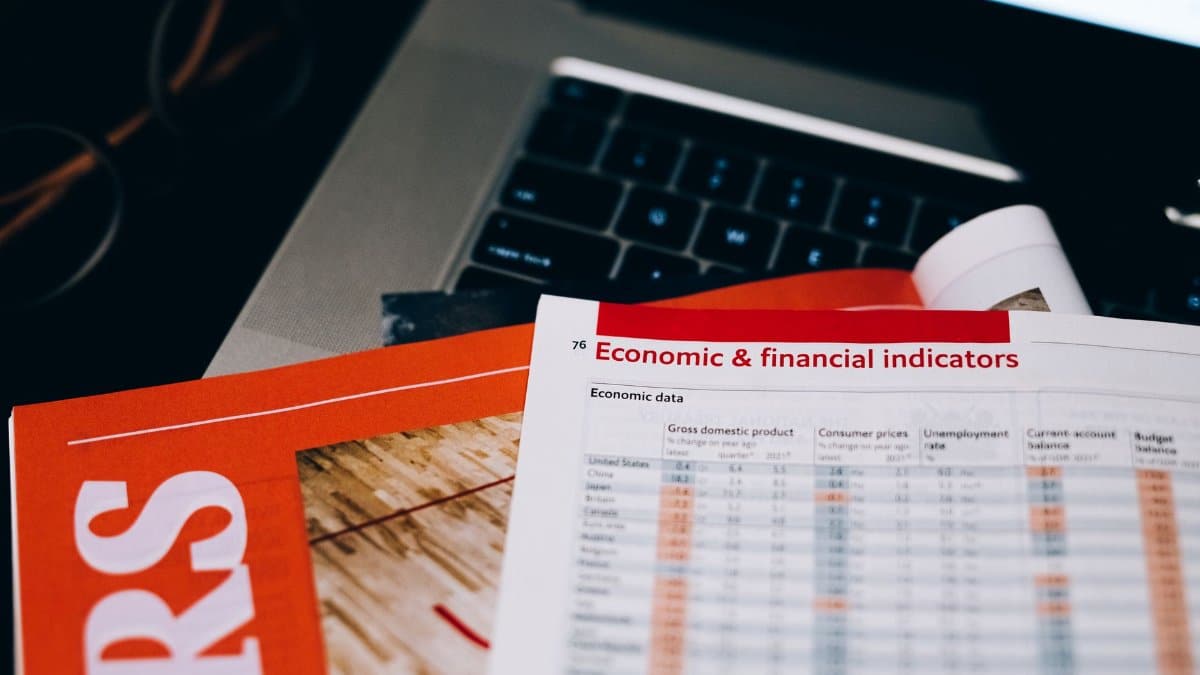
Shops and services in the vicinity faced temporary closures leading to lost revenue during the height of the response. Delivery routes were disrupted as access remained limited in cordoned sections. Insurance assessors began evaluating damages to inventory and structures affected by smoke and water. Recovery efforts are expected to take weeks as operations gradually resume.
Lessons for Urban Safety Planning

Analysts suggest reviewing zoning rules around high risk facilities to better separate them from residential pockets. Training programs for first responders could incorporate scenarios involving large scale air quality events. Public education campaigns might increase awareness of personal protective actions during such crises. Collaboration between agencies at multiple levels appears essential for effective future handling.