
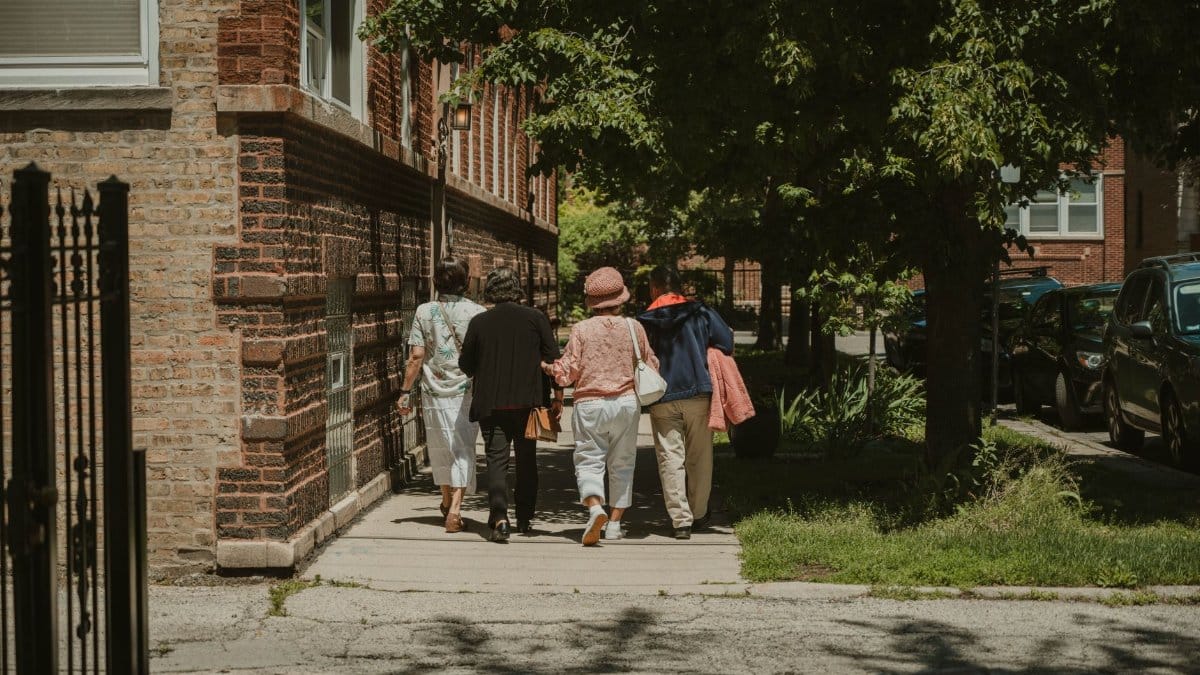
On a Saturday morning along Fullerton Avenue, the bakery line moves mostly in Spanish while church bells still mark the hour. Grocery signs, soccer jerseys, and parish flyers sit beside older Polish and Italian names that have not entirely vanished from the brick. Researchers now describe a change that Chicago has felt for years but has only recently ranked in a new way. Belmont Cragin Latino shift is no longer a side note in neighborhood conversation. It is the demographic turn that has placed this Northwest Side community ahead of Little Village and Pilsen as the city’s largest Latino area, according to a study from the University of Illinois Chicago.
A map that no longer matches the street

Belmont Cragin sits far from the postcard version of Latino Chicago. It is not the mural corridor of Pilsen, and it is not the dense commercial heart of Little Village. For decades those two neighborhoods carried the public story of Mexican Chicago, and for good reason. They anchored migration, small business, and political organizing. Belmont Cragin grew in a quieter register, block by block, as families looked for houses, two flats, and parish schools within reach of factory jobs and later of service work spread across the North and Northwest Sides.
The old map still shapes how outsiders talk. Visitors ask for 18th Street or 26th Street. They do not always ask for Belmont or Diversey. Yet the people who live here have been rewriting that map in school enrollment, in Sunday Mass, and in the languages heard on the bus. A ranking does not create a community. It does catch up, sometimes late, to a community that already exists.
What the UIC finding changes

The University of Illinois Chicago has long tracked how Chicago neighborhoods change, through its Great Cities Institute and related urban research. The finding now circulating in local reporting is straightforward in its headline and complicated in its meaning: Belmont Cragin has passed Little Village and Pilsen in Latino population. Readers who want the institutional home of that research can start at the university site, https://www.uic.edu/, and at https://greatcities.uic.edu/.
A ranking is a snapshot, not a verdict on culture or importance. Little Village remains a commercial and civic capital for Mexican Chicago. Pilsen remains a center of art, activism, and memory, even as housing costs have pushed many families out. What the Belmont Cragin Latino shift changes is the assumption that Latino Chicago has one or two addresses. The city has several, and the largest, by this measure, is no longer the one most often named in national stories.
How the count should be read

Population rankings depend on boundaries. Chicago community areas are not the same as police districts, ward maps, or the loose names people use for a few blocks of shops. A family that says it lives in Cragin may sit inside a census tract that planners file under a neighboring label. That is why careful readers should treat any single superlative with patience. The direction of change is clearer than the exact margin.
Public census tools, available at https://www.census.gov/, show a broader pattern that matches what residents describe. Latino residents make up a growing share of several Northwest and Southwest Side community areas, while some historic centers have lost Latino residents to rising rents or to moves farther out. Belmont Cragin’s rise fits that pattern. It is growth by arrival and by staying, not a sudden event.
Little Village and Pilsen in a new light
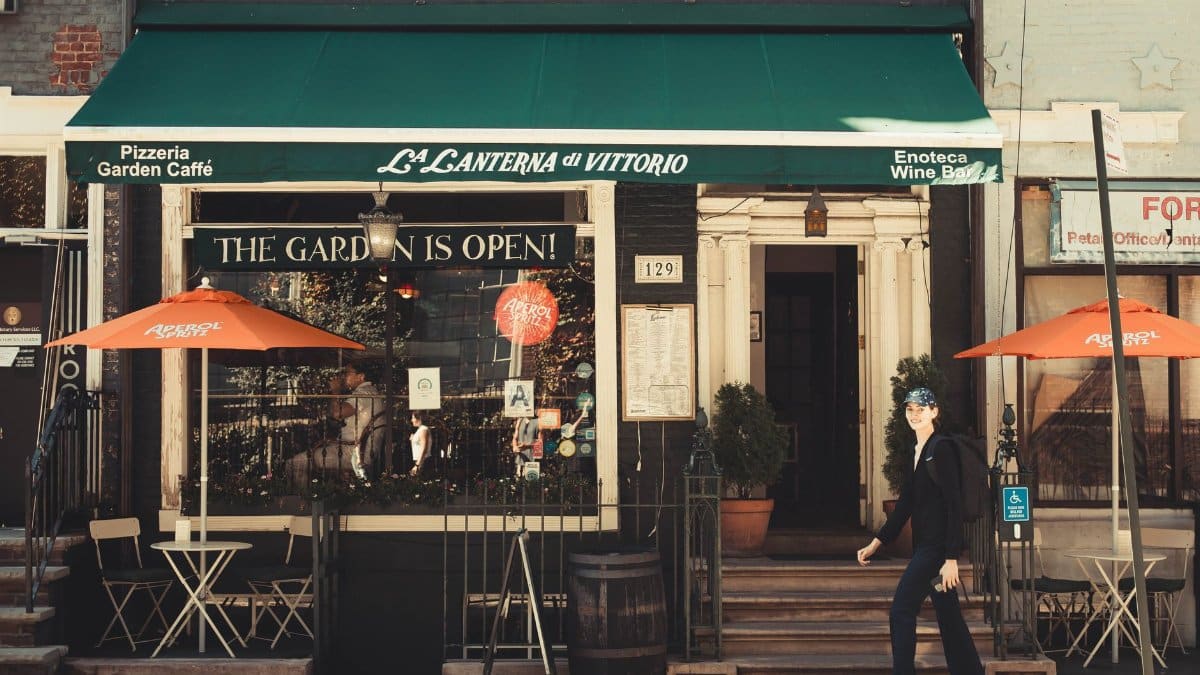
Passing Little Village and Pilsen in a population count does not shrink those neighborhoods in history or in daily life. Little Village’s 26th Street corridor remains one of the strongest independent business strips in the city. Pilsen’s churches, mutual aid groups, and cultural spaces still draw people who no longer live within walking distance. Many of those people now live in Belmont Cragin, in Hermosa, in Portage Park, or in suburbs just past the city line.
The healthier reading is not a contest. It is a map with more than one center. When reporters treat one neighborhood as the only Latino Chicago, they miss school boards, chambers of commerce, and parish networks that never waited for a headline. The new ranking is useful because it corrects that habit. It is harmful only if it is used to declare other places finished.
Families who came for room and stayed for kin

Ask longtime residents how the blocks changed and the answers rarely begin with a study. They begin with a cousin who found a house, a parish that added a Spanish Mass, a factory that closed on the Southwest Side, or a landlord on the Near West Side who raised the rent past what a paycheck could hold. Belmont Cragin offered relatively more space, yards, and two flats where grandparents and children could share costs. That housing form, ordinary in Chicago, is a quiet engine of neighborhood change.
The move was not only from Pilsen and Little Village. It also came from other city neighborhoods and from new immigration, especially from Mexico, with smaller numbers from Central America, Puerto Rico, and elsewhere in Latin America. Over time, Spanish speaking households became the local majority in much of the area. English remained the language of many city offices. Both languages now shape the street.
Parishes, processions, and a spiritual calendar
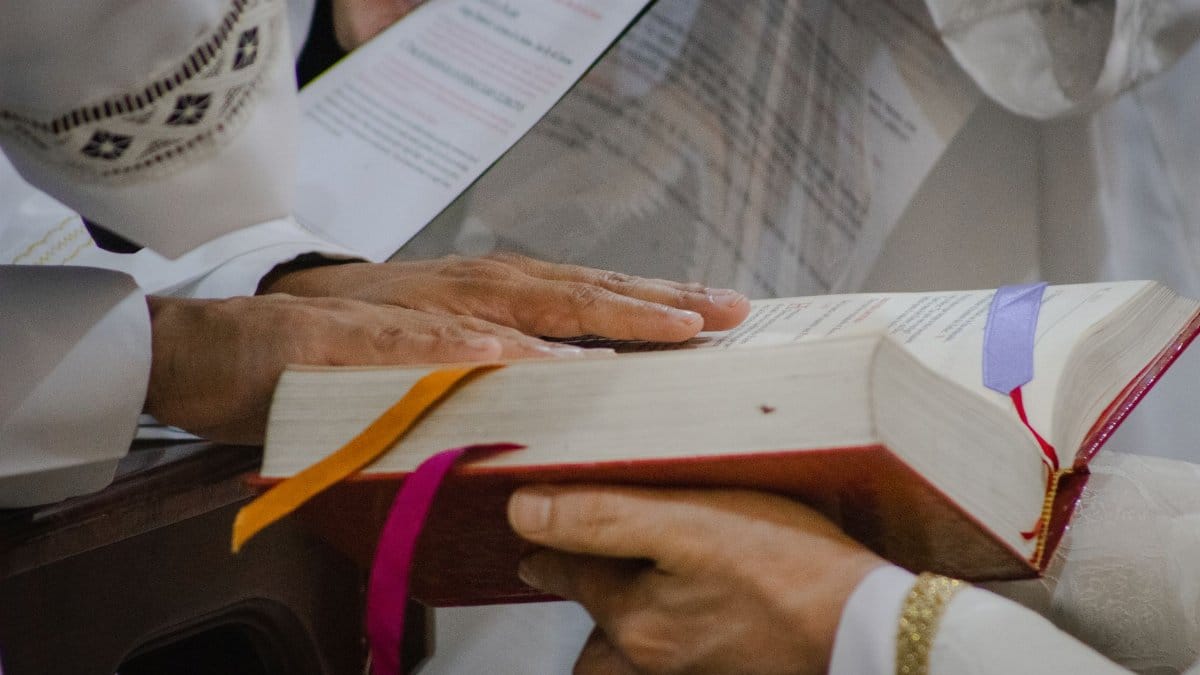
If demographics are the count, faith is one of the ways the count becomes visible. Catholic parishes on the Northwest Side have added Spanish liturgies, quinceañera preparations, and feast days that older European congregations once organized around different saints. Storefront evangelical churches have multiplied in former shops. A Friday fish fry and a Saturday procession can occupy the same block in different seasons, sometimes with the same families.
This is not a soft backdrop to the Belmont Cragin Latino shift. Churches are where newcomers learn which clinic takes their insurance, which school has a bilingual clerk, and which alderman actually returns calls. They are also where grief is carried when a factory injury or a shooting cuts through a block. Spiritual life here is practical. It organizes rides, meals, and vigil nights as surely as it organizes prayer.
Older parishioners, including Polish and Italian families who remain, sometimes describe loss and sometimes describe continuity. The building is the same. The saints on the side altars have company. A neighborhood can hold both facts without pretending the transition was painless.
Schools as the early census

Public and parish schools registered the change before most citywide rankings did. Enrollment lists, lunch menus, and parent meetings shifted language years ago. Teachers describe classrooms where grandparents still speak Polish at home and grandchildren answer in English and Spanish. That mix is easy to romanticize and hard to staff. Bilingual seats, translation at report card pickup, and counselors who understand migration stress are not extras. They are the basic equipment of a neighborhood in transition.
When families leave a school because rent jumped, the demographic story shows up as an empty desk. When families arrive from another ward, it shows up as a midyear enrollment. Those small movements are the same forces that, added across a decade, produce a UIC finding large enough to reorder Chicago’s mental map.
Housing costs catch up to the new majority

Growth does not guarantee stability. Belmont Cragin’s relative affordability is part of why families came. That advantage narrows when investors notice a stable workforce, decent transit, and houses that can be split or flipped. Rents that once looked gentle next to Pilsen can still outrun wages in restaurants, warehouses, and home health care.
Owners who bought decades ago may welcome higher values. Renters and younger buyers often experience the same rise as a warning. The Belmont Cragin Latino shift will mean less if the people who created it cannot remain. Community groups have pushed for preservation of two flats and for clearer rules on displacement. Those fights rarely make the same headlines as a population ranking. They decide whether the ranking still describes the people on the block ten years from now.
Corridors that sell more than nostalgia
Commercial streets tell the story in a language anyone can read. Panaderías, carnicerías, remittance windows, and quinceañera shops share corners with remaining European bakeries and with chains that follow density rather than heritage. A corridor succeeds when it serves the people who actually live nearby, not when it performs an identity for visitors.
Some owners are first generation. Some inherited a storefront and changed the menu. Employment is local and fragile. A single closed plant or a spike in insurance costs can empty a strip faster than any census update. Still, these businesses are why the neighborhood feels Latino in daily practice, not only in a table of numbers. They extend credit, sponsor youth teams, and post funeral notices in the window. That is civic life in a modest key.
Politics learns the new address slowly

Chicago politics follows population, but rarely at the speed of a moving van. Ward maps, donor lists, and endorsements were built when Latino voting power was imagined mainly on the Southwest and Near South sides, plus a few North Side pockets. Belmont Cragin’s growth forces a revision. Candidates who treat the area as an afterthought now meet organized parents, parish committees, and business owners who expect Spanish language outreach and specific answers on schools, gangs, and property taxes.
Representation is not automatic. A large population can still be split across wards, undercounted in voter files, or courted only in the last week of a campaign. The test of the new ranking is whether city budgets, clinic hours, and park improvements move with the people. A headline that stops at pride leaves the harder work untouched.
What numbers cannot say

No study can say whether a neighborhood feels like home. Some teenagers describe Belmont Cragin as the only Chicago they know. Some elders describe it as a place they reached after leaving somewhere they still call home. Crime, police presence, and the memory of violence shape those feelings as much as bakeries and Mass times do. So do long commutes and the price of a gallon of milk.
Journalists should resist two temptations. One is to announce a triumph, as if a larger count settles every debt the city owes these families. The other is to announce a loss, as if Pilsen and Little Village have been replaced rather than joined. The accurate sentence is plainer. Latino Chicago has widened. Belmont Cragin is now central to that width.
Living with a corrected map
The Belmont Cragin Latino shift will keep being cited in briefs, campaigns, and real estate pitches. Some of those citations will be careless. The useful version stays close to the street. It remembers that Little Village and Pilsen still matter, that faith communities carry practical weight, and that housing costs can undo a demographic gain. It also remembers that families did not wait for a university to notice them.
Chicago has redrawn itself this way before, when new arrivals filled parishes and two flats and made a neighborhood legible on their own terms. The work now is ordinary and demanding: schools that can teach in the languages children bring, houses that remain within reach, and a city government that learns the address without being asked twice. The ranking is a start. The neighborhood, already in session, is the rest of the story.