
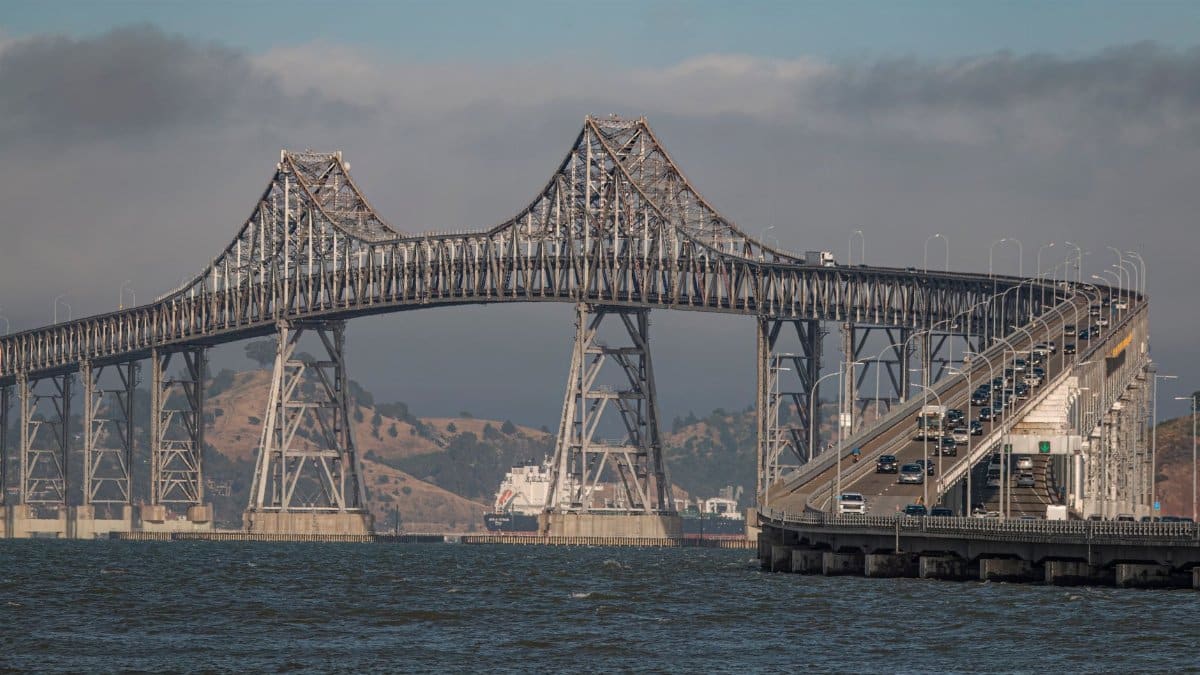
On a clear evening the span looks almost calm, a long ribbon of steel carrying headlights from one shore to the other. Then a message board blinks, a lane drops away, and the rhythm breaks. Bay Bridge closures of this kind rarely last all day, yet they can still turn a familiar crossing into a slow crawl for anyone headed toward the East Bay after dark. Caltrans has scheduled overnight work on eastbound lanes so crews can paint the structure, a task that sounds ordinary until it meets the volume of a bridge that never really empties.
Why paint becomes a traffic story
Painting a major bridge is not a cosmetic errand. Salt air, exhaust, and decades of weather eat at steel, and a fresh coat is one of the plain tools agencies use to slow that damage. The work has to happen where cars usually run, which means lanes must be taken out of service while crews set cones, move equipment, and reach surfaces that are hard to touch in daylight. Eastbound travel, from San Francisco toward Oakland and the wider East Bay, is the side affected in this round of work. For most drivers the phrase on the sign is simple. A lane is closed. The reason matters less than the minutes added to a trip home.
That simplicity is also why the story travels. A region built around a few fixed crossings feels every restriction. The Bay Bridge is not a side street that can be avoided with a casual turn. When capacity falls, the line of vehicles does not politely shrink. It stacks.
What overnight really means for a driver
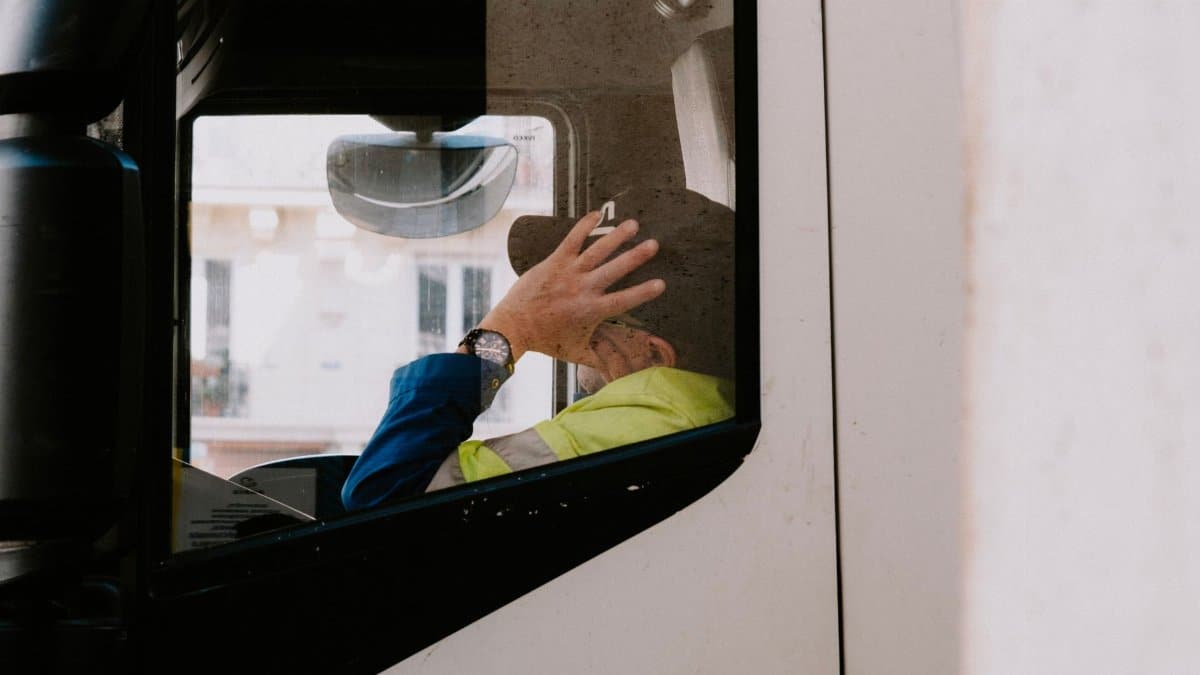
Agencies prefer the small hours because fewer people are on the road then. Fewer is not the same as none. Hospitals change shifts. Airports still release late flights. Warehouses, restaurants, and hotels send people home long after offices have gone dark. A painter working above a closed lane may be doing the least disruptive version of a necessary job, and a nurse leaving a night shift may still sit in a queue that would not exist on an open deck.
Overnight Bay Bridge closures tend to be announced as temporary and limited. Drivers should treat that language as a starting point, not a promise that their own trip will be untouched. A single stalled car, a bit of fog, or a crew that needs extra time to clear equipment can stretch a modest delay into something that rearranges a morning. The prudent habit is to check conditions before leaving, not after the first brake lights appear.
How one missing lane changes the math

Traffic engineers talk about capacity as if it were a faucet. Open every lane and the faucet runs wide. Close one and the same number of cars must pass through a narrower opening. On a bridge, there is no shoulder generous enough to absorb the squeeze, and there is no parallel street a block away. Vehicles bunch at the merge, speeds drop, and the slowdown can reach back into the city approaches long before a driver sees the work zone itself.
Eastbound evenings already carry a heavy load of people leaving San Francisco for homes in Oakland, Berkeley, Alameda, and beyond. Add a lane closure and the merge becomes the event. Some drivers will leave earlier. Some will leave later. A share will not hear about the work at all. Those three choices, made separately by thousands of people, are what turn a maintenance notice into a regional snarl.
The commute that ties two cities together
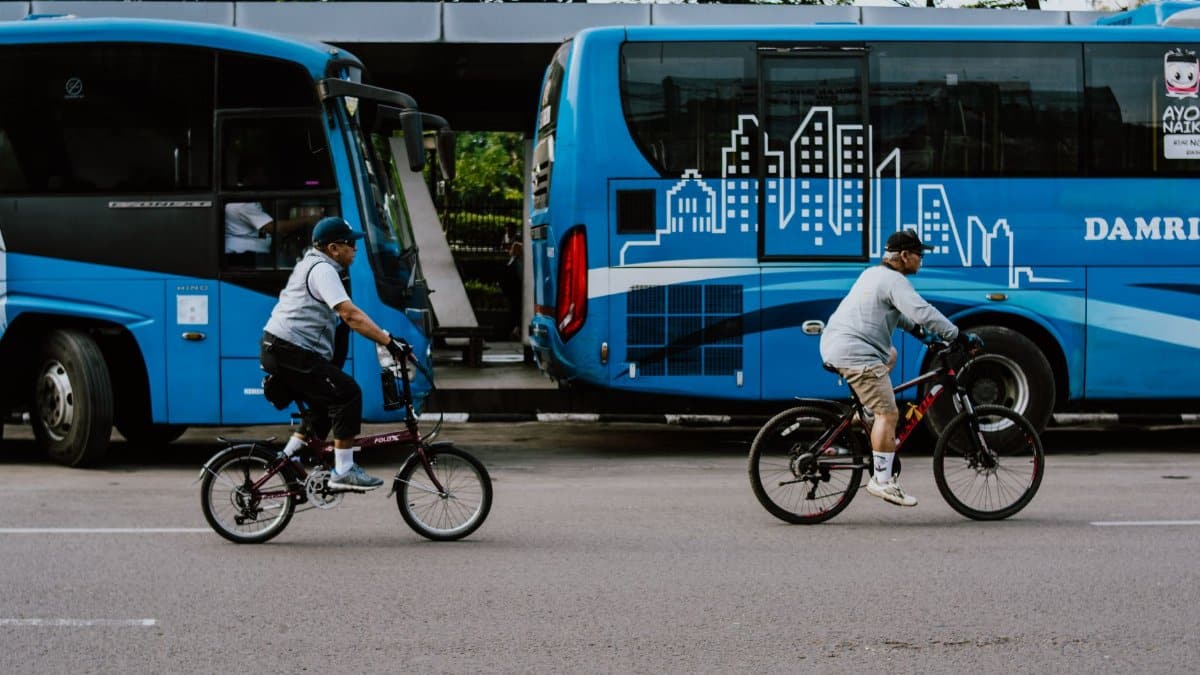
The bridge is a commute in both directions, but the story of an eastbound restriction is really a story about where people sleep. San Francisco holds a large share of jobs, venues, and late appointments. The East Bay holds a large share of bedrooms. When the path between those places narrows, the cost is measured in missed connections, cold dinners, and shifts that start with an apology. I have watched that pattern from the passenger seat more than once, the quiet calculation of whether to stay in the car or give up and find another way across the water.
Public memory of the crossing is long. People still talk about past shutdowns, seismic work, and the years when the eastern span was rebuilt. A painting closure is not that kind of event. It is smaller, scheduled, and meant to end when the sun comes up. It still lands on the same nerves, because the bridge has so little slack.
Transit, ferries, and the choice to skip the deck
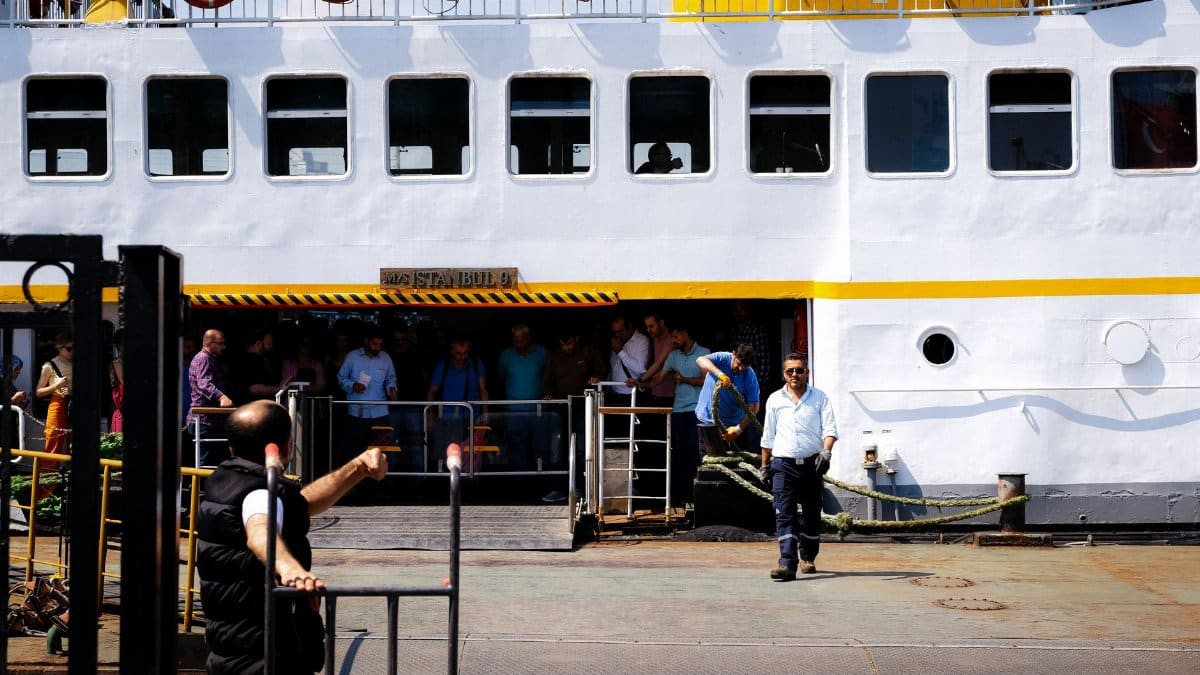
Not every traveler has a real alternative. Many do. BART runs under the bay and can absorb some of the people who would otherwise sit in a restricted lane. Ferries serve certain corridors and reward anyone whose home and workplace happen to match a terminal. Buses that use the bridge may themselves be slowed by the same closure, so a transit trip is not automatically a free pass. The useful question is specific. Does my route avoid the affected lanes, or does it share them?
Riders who can shift even one trip off the roadway make the merge easier for everyone who cannot. That is not a slogan. It is arithmetic. Each car that stays home, or that crosses at a different hour, is one less vehicle asking the narrowed span to do the same job.
Night workers and the freight that does not wait
Coverage of bridge work often imagines a commuter with a flexible calendar. The people most exposed are frequently the opposite. Delivery drivers, rideshare operators, cleaning crews, and port related workers move when the schedule says move. A closure that looks painless on a midday chart can sit directly on top of their only window. Freight that must reach a warehouse before dawn does not become optional because cones are out.
Agencies try to confine lane restrictions to hours when volumes are lower, and that choice is sound. It does not erase the workers whose lower volume hours are their peak. Any honest account of the latest Bay Bridge closures should include them, not only the office crowd that will read a traffic alert over coffee.
A structure that asks for constant care
The San Francisco Oakland Bay Bridge is a working machine as much as a landmark. Cables, decks, joints, and steel members need inspection and upkeep on a cycle that never really ends. Painting is one chapter in that cycle. Defer it and the bill does not disappear. It returns later as corrosion, more extensive repairs, and closures that are harder to schedule and harder to bear.
Drivers rarely see that trade. They see cones. The maintenance case is still the right one to state plainly. A region that depends on a span has to let crews touch it. The argument is not that inconvenience is noble. The argument is that surprise failure is worse than a posted night of narrowed lanes.
How officials try to keep the damage small
The standard playbook is familiar. Work at night. Keep at least some lanes open. Post notice early. Use message signs on the approaches. Coordinate, when possible, with transit agencies so that riders hear about the restriction before they are already in a car. None of those steps removes the closure. Together they can keep a planned restriction from becoming an ambush.
Communication fails in ordinary ways. A notice lives on a website that a driver does not check. A radio report airs after someone has already merged. An app refreshes late. Repeated Bay Bridge closures teach a blunt lesson. The traveler who builds a two minute habit of looking ahead will outperform the traveler who trusts memory of how the bridge usually behaves.
What to do before you leave the house

Practical steps are unglamorous and they work. Look at the planned hours before you commit to a route. If your trip can move earlier or later, move it. If a passenger can take a train for one leg, let them. Leave extra time even if the map looks clear, because maps lag the moment a lane actually drops. Keep a full tank or a decent charge so a slowdown is an annoyance rather than a crisis. Tell anyone waiting on the other side that the crossing may run long.
Patience is not a strategy by itself, but impatience makes a merge worse. Late lane changes, blocked intersections on the approaches, and drivers who treat cones as suggestions are how a managed work zone becomes a crash scene. The painting crew and the people behind you share the same interest. Get through, then get the lanes back.
The pattern behind a single notice
One weekend or one string of nights is easy to treat as an isolated headache. It sits inside a larger pattern. Bridges, tunnels, and freeways across the country are aging at the same time that travel has rebounded. Agencies push work into nights and weekends because daytime closures are politically and practically harder. The result is a steady drip of alerts that many readers skim and a few drivers absorb in full.
That drip is the real subject hiding inside a traffic brief. A region can fund the work, staff the crews, and post the signs, and still surprise people who needed the information yesterday. Better notice will not make steel paint itself. It can make the cost of upkeep visible before it becomes a personal delay.
Living with a crossing that never sleeps
There is a modest discipline in accepting that a bridge requires interruptions. The alternative is a fantasy of permanent openness, and that fantasy has a price in rust and emergency repairs. Drivers who track Bay Bridge closures as a recurring fact of East Bay life, rather than as a personal insult, tend to waste less energy and fewer minutes. They reroute when they can. They wait when they must. They remember that the lane will return.
None of that makes a slow eastbound night pleasant. It does put the inconvenience in scale. Crews are on the span so the span can keep carrying the region. The cones are temporary. The need for the bridge is not. For anyone heading home toward Oakland under a dark sky, the useful response is still the oldest one. Check the hours, choose the best path you actually have, and give the merge more room than your impatience wants to give.