
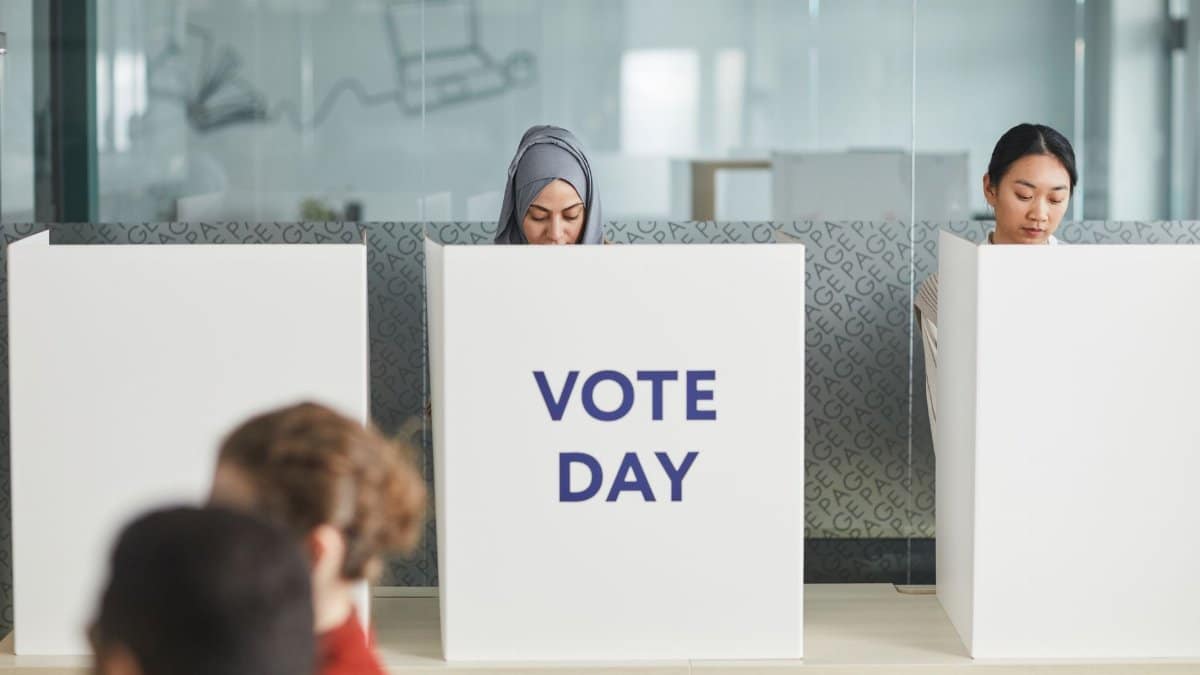
The notice was brief, the way federal charging documents often are, yet it carried a political charge of its own. In Texas, where arguments over who may vote and how ballots are counted have become a standing feature of public life, the United States Attorney’s office said it had brought cases against five people for offenses connected to elections. The announcement of Texas election charges arrived ahead of the November midterms, when attention to the rules of voting tends to sharpen and every official action is read as a signal. For readers far from the courthouse, the question is less about courtroom theater than about what such cases do to confidence in a system that depends on ordinary people showing up, marking a ballot, and trusting the count.
A short filing with a long shadow

Federal prosecutors do not need a crowded docket to move a conversation. Five defendants is a small number in a state of many millions of voters, and yet the figure travels. It travels because elections are not only tallies. They are rituals of consent. When an office with the power to indict says the law was broken in that ritual, people who never set foot in a polling place still feel the tremor.
The cases, as described in public accounts of the filing, concern election related offenses rather than a single sweeping conspiracy laid out for cameras. That distinction matters. A cluster of individual accusations is not the same thing as proof that an election was stolen or saved. It is a claim that particular acts crossed a legal line. Courts will test that claim. The public, impatient with process, often tests it first in group chats and campaign mail.
I have watched this pattern in other seasons. A charging document becomes a slogan before it becomes a record. The slogan is faster. The record is what the Constitution actually requires us to respect.
What the office says it is pursuing

The United States Attorney’s office in Texas framed the matters as crimes tied to the election process, filed in time for voters to notice them before November. Exact charging theories can differ from person to person. Illegal voting, false statements in connection with registration or ballots, and related fraud counts are the kinds of offenses federal and state prosecutors have used in this field for years. Without the indictments themselves in hand, it is wiser to stay with that frame than to invent motives or methods.
What can be said with care is this. Bringing Texas election charges signals that prosecutors believe they can prove more than a paperwork mistake. Criminal cases in this area usually turn on knowledge and intent. A voter who is confused about a residency rule is not the same defendant as a person who allegedly lies to obtain a ballot that is not theirs. Juries exist to sort those facts. Press releases exist to announce that the government thinks it can.
Readers should also remember scale. Five cases do not describe the behavior of a state. They describe five alleged paths through the system. Treating them as a portrait of Texas voting would be a category error, the kind that turns a courthouse into a campaign prop.
Why the calendar is part of the story

Timing is not a legal element, but it is a political fact. Filing ahead of the November midterms guarantees an audience. Campaigns are already hunting for sentences they can put on door hangers. Officials who favor aggressive enforcement will call the cases proof that rules have teeth. Officials who fear chilled participation will call them a warning shot at lawful voters who share a language, a neighborhood, or a party with the accused.
Neither reading is automatic. A prosecutor’s calendar can reflect investigative pace, grand jury availability, or a desire to resolve matters before ballots are cast so that rumors do not fill the gap. It can also reflect an awareness that visibility itself is a form of deterrence. Deterrence is a legitimate aim of criminal law. Spectacle is not a substitute for proof.
The healthier public response is slower. Ask what statute is cited. Ask what the government must prove. Ask whether similar conduct has been charged when the politics ran the other way. Those questions do not excuse crime. They keep enforcement from becoming a factional sport.
Texas as a long argument over the ballot
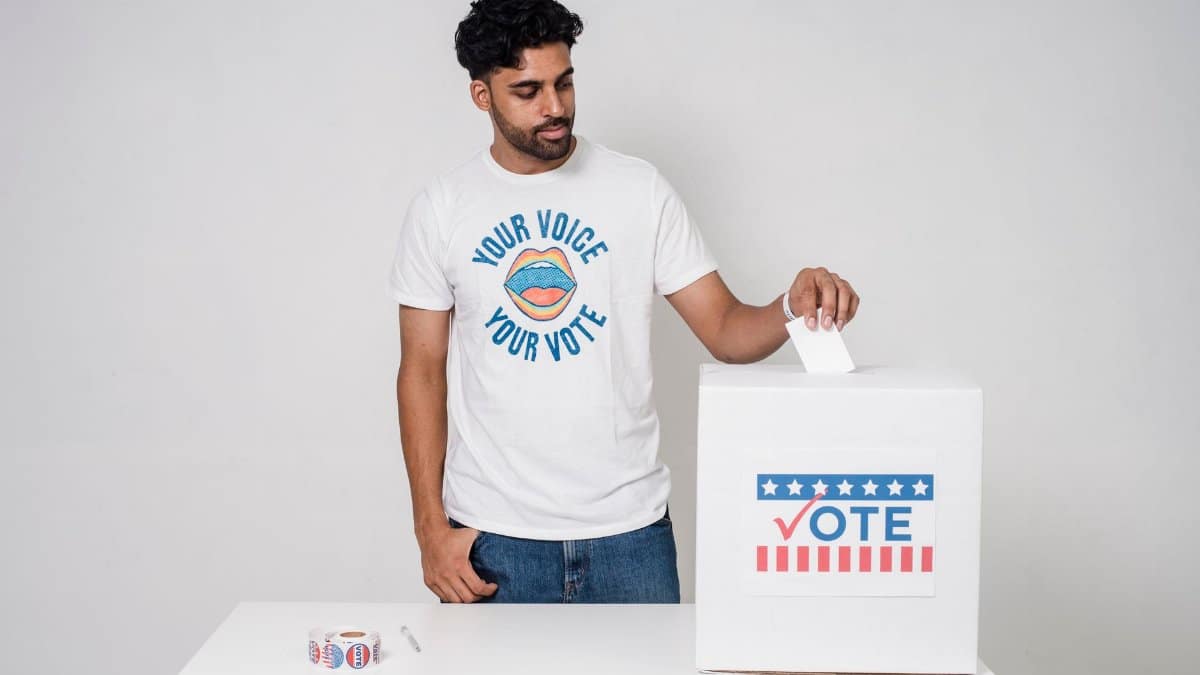
Texas has spent years rewriting and defending rules on identification, mail ballots, registration, and the role of local election officials. Supporters describe that project as protection against fraud and sloppiness. Critics describe it as a narrowing of access dressed up as order. Both camps can point to episodes that fit their story. Neither camp owns the whole record.
Into that argument walk these new cases. They will be cited by people who already believed the system was porous, and by people who already believed the system was being policed for show. The filings do not settle the larger fight. They add exhibits. A serious reader holds the exhibits up to the light instead of stapling them to a preexisting speech.
Local election administrators sit in the middle, which is an uncomfortable place. County clerks and election judges are asked to run a flawless process with temporary workers, aging equipment, and a public that has been trained to suspect the count. Criminal cases at the edges of that process can clarify rules. They can also make good faith workers more afraid of a misstep than of a missed voter. Fear is a poor operating manual for a democracy.
The narrow path between error and crime

Election law is full of technical duties. Sign a carrier envelope in a certain place. Mark a residence that matches a legal definition. Do not vote in two places. Do not submit a ballot for someone else unless the law expressly allows assistance, and then follow the assistance rules. Most people who violate a technical duty do so without a scheme. The criminal code is supposed to reserve its hardest tools for the scheme.
That is why intent language matters so much when Texas election charges enter the news. If the government alleges deliberate deception, the public should hear that allegation as serious and still unproved. If later proceedings show confusion, bad advice, or a form that trapped an honest person, the public should be willing to revise its first impression. Revision is not weakness. It is how adults read a case.
Defense lawyers will press the intent question, as they should. Prosecutors will say the evidence of knowledge is in messages, forms, or patterns of conduct. Until those materials are tested, commentary that declares guilt or innocence is performance. Performance has plenty of stages already.
How campaigns are likely to use the news

Expect the number five to do more work than the facts. A round number is easy to remember and hard to contextualize. One side will say five prosecutions prove a crisis. The other will say five prosecutions prove a hunt. Both sentences can be shouted in the time it takes to pass a highway sign. Neither sentence tells a voter whether their own ballot is secure.
Consultants know this. Integrity messaging raises turnout among people who feel protective of the process and can suppress it among people who feel watched. The same headline can serve both aims, depending on the zip code and the ad buy. That is not a reason to hide charges. It is a reason to refuse the ad as your only source.
Journalists have a matching duty. Repeat the allegation as an allegation. Name the office that brought it. Decline to launder campaign language into the news voice. If later hearings add names, statutes, and outcomes, report those with the same plainness. The Houston Chronicle and other Texas outlets have been following the filing; readers who want the documentary trail should go to that reporting and to court records rather than to a forwarded graphic.
What voters can actually do with this information
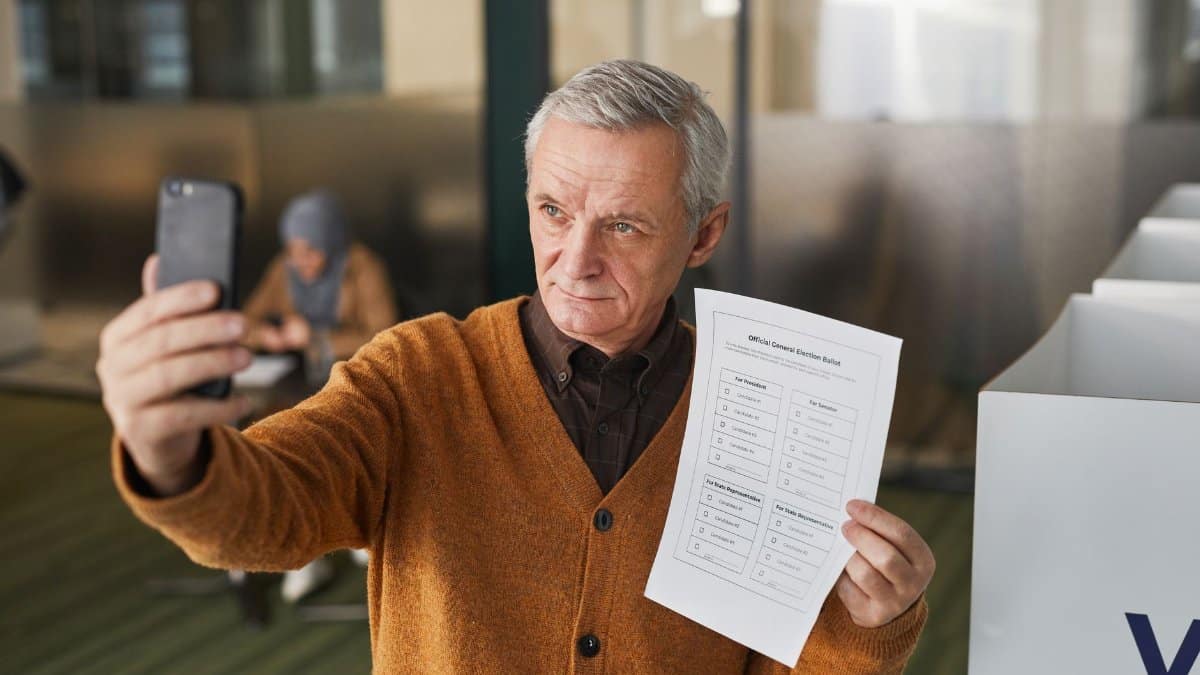
Most people charged in election cases are not a template for the neighbor in line at the school gym. The practical lessons are quieter. Know where you are registered. If you moved, update the registration before you vote. If you need help with a ballot, ask an election worker what help is lawful. If a stranger offers to collect or complete your ballot, treat that offer as a moment to pause, not as a favor to accept on faith.
Those habits are not glamorous, and they will not trend. They are how a large state keeps small errors from becoming criminal files or, worse, from becoming myths. Poll workers deserve the same clarity. Written procedures, calm training, and a culture that distinguishes a correctable mistake from a prosecutable lie will do more for integrity than any single press conference.
Voters who feel anxious can also watch for remedies that do not require a defendant. Post election audits, bipartisan observation where the law provides it, and prompt publication of results are civilian tools. They do not replace prosecution when a real crime occurs. They make prosecution less necessary as a symbol, because the count can defend itself in public.
The limits of a courthouse answer
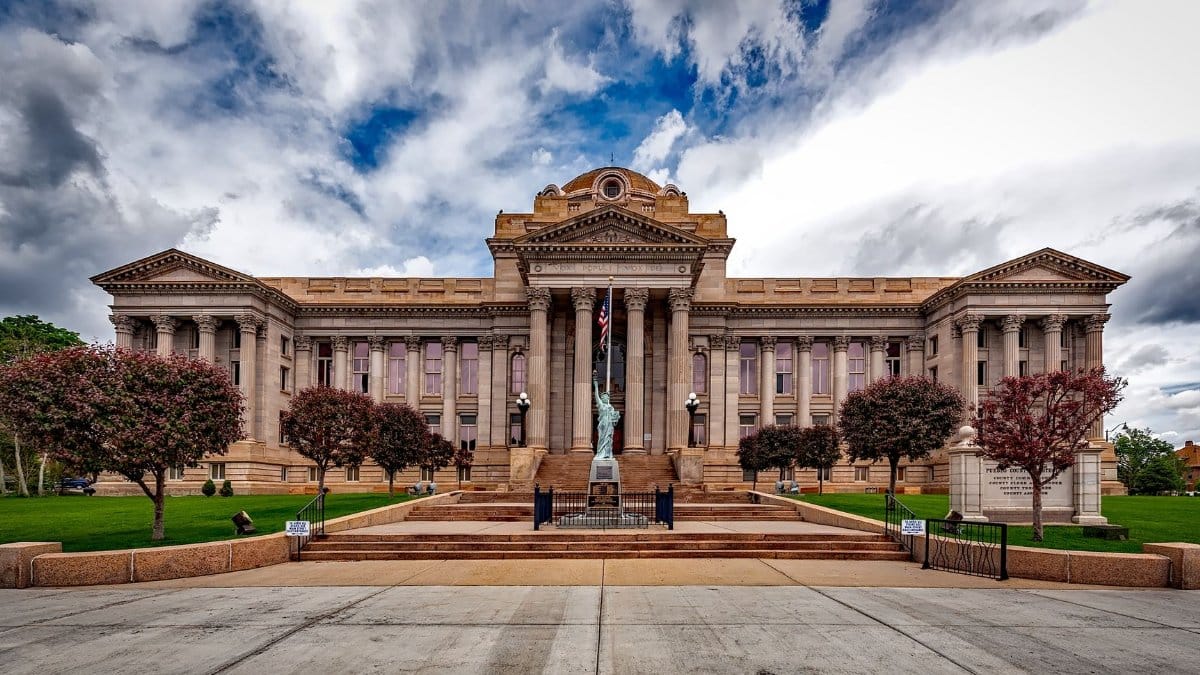
Courts are good at narrow questions. Did this person do this act with this mental state, in this district, under this statute. They are poor at healing a statewide mood. A conviction, if one comes, will not convince a skeptic who wanted a different set of defendants. An acquittal will not convince a skeptic who wanted prison. The law can still be right in both outcomes. Politics will call one of them a scandal.
That gap is not new, and it is not unique to Texas. What is distinct here is the intensity of the spotlight and the size of the electorate that must live with the result. When Texas election charges are discussed on national television, the people who actually administer Harris County or a rural box hundreds of miles away become characters in someone else’s plot. They still have to open the polls on time.
A useful humility follows. Let the cases proceed. Do not conscript them into a theory they cannot carry. Five allegations can justify five trials. They cannot justify a story that every ballot in the state is either sacred or suspect. That story is too big for the evidence and too small for the civic work in front of us.
Trust as something practiced, not declared
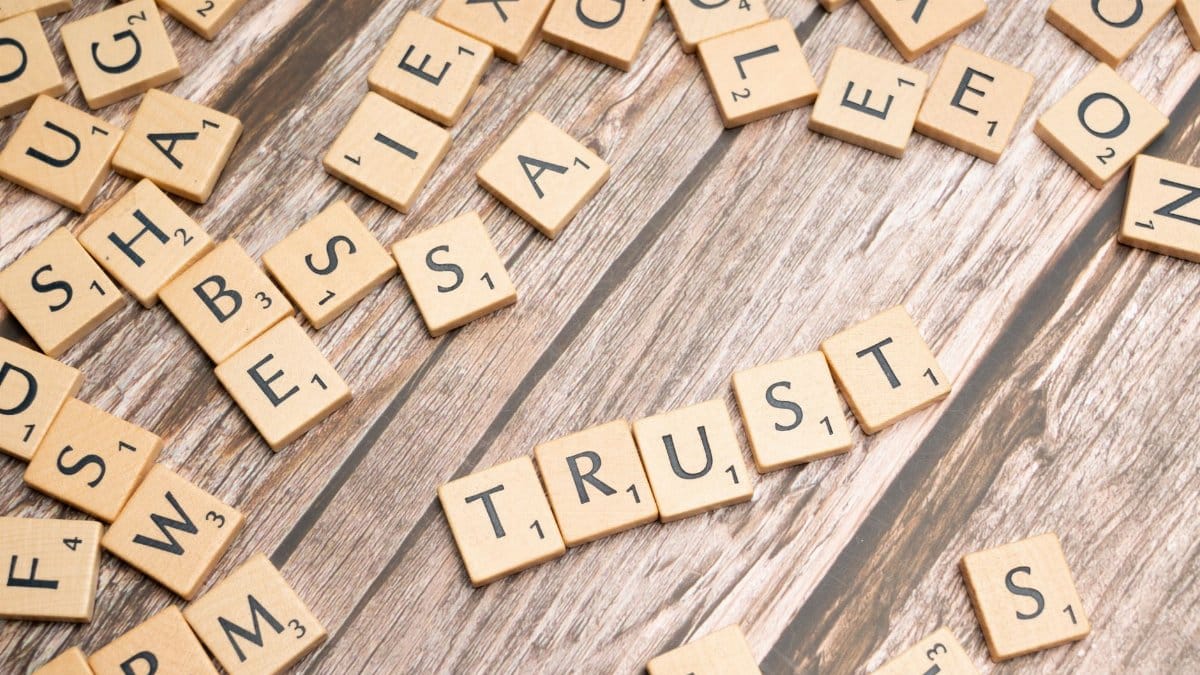
There is a spiritual dimension to this argument, though not a sectarian one. Self government asks for a kind of faith: not blindness, but a willingness to treat strangers as capable of honesty until facts say otherwise. Charges test that faith. They should. A community that never investigates fraud is naive. A community that treats every charge as proof that the other half of the state is illegitimate has already left the premises of shared rule.
The practice is ordinary. Show up. Read past the headline. Correct a friend who inflates five cases into a stolen state or into a hoax. Thank the person who spends fourteen hours at a check in table. Demand that prosecutors publish what they can, and that they stay silent about what the rules of a fair trial forbid them to try in public.
If the November midterms arrive with these matters still unresolved, that is not a failure of the news cycle. It is how courts work. The ballots will be cast anyway. Their legitimacy will rest less on the fate of five defendants than on whether the rest of us can tell the difference between a charge, a verdict, and a rumor we found convenient. That difference is the whole of election integrity, and it is available to anyone willing to keep it.