
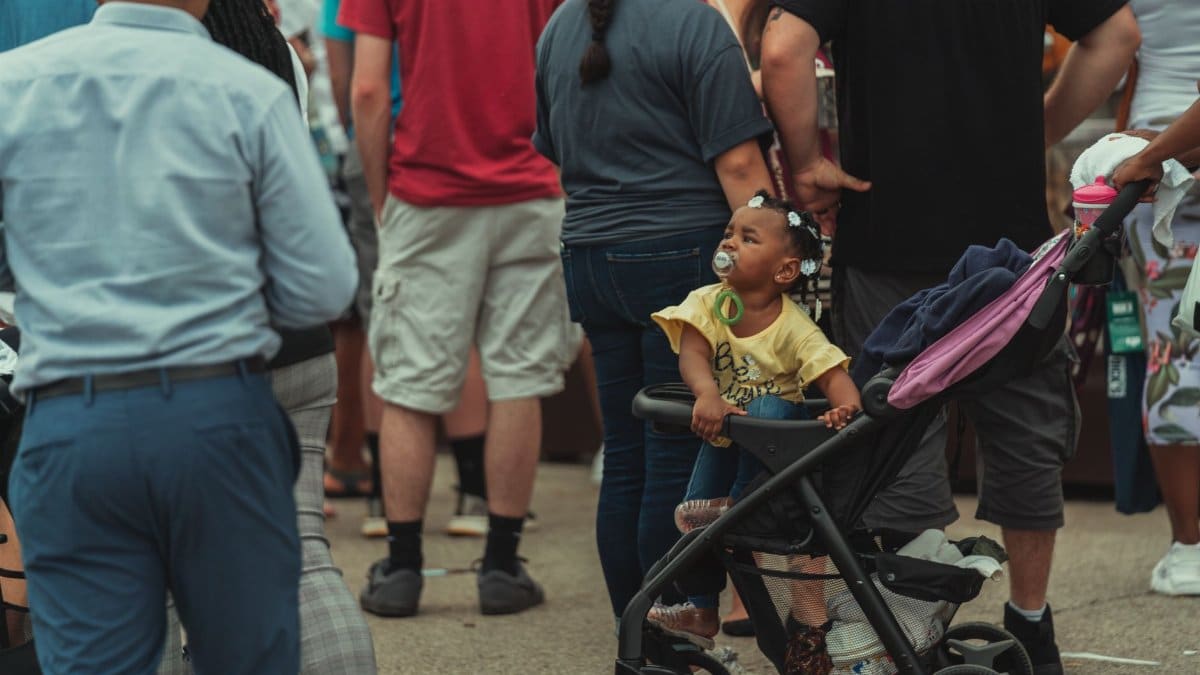
The drop in young residents has left many Baltimore neighborhoods quieter than they were a decade ago. Families have moved away in search of better opportunities while birth rates have also eased in line with broader national patterns. Schools report fewer students walking their halls each fall and playgrounds sit empty on weekday afternoons. City planners now face tough questions about how to adapt services built for a larger group of children. Amid these changes the Baltimore child population has become a central topic for officials and residents alike who wonder what the future holds for the next generation.
Understanding Recent Demographic Shifts

Census figures show the number of children under age eighteen fell by thirteen percent from two thousand fifteen to two thousand twenty five. This pace outstrips declines seen across Maryland and the nation as a whole. Local analysts point to several factors including housing costs job availability and perceptions of safety that influence where families choose to settle. The result is a smaller base of young people who will shape the city in coming years.
Effects on Classroom Sizes and Resources
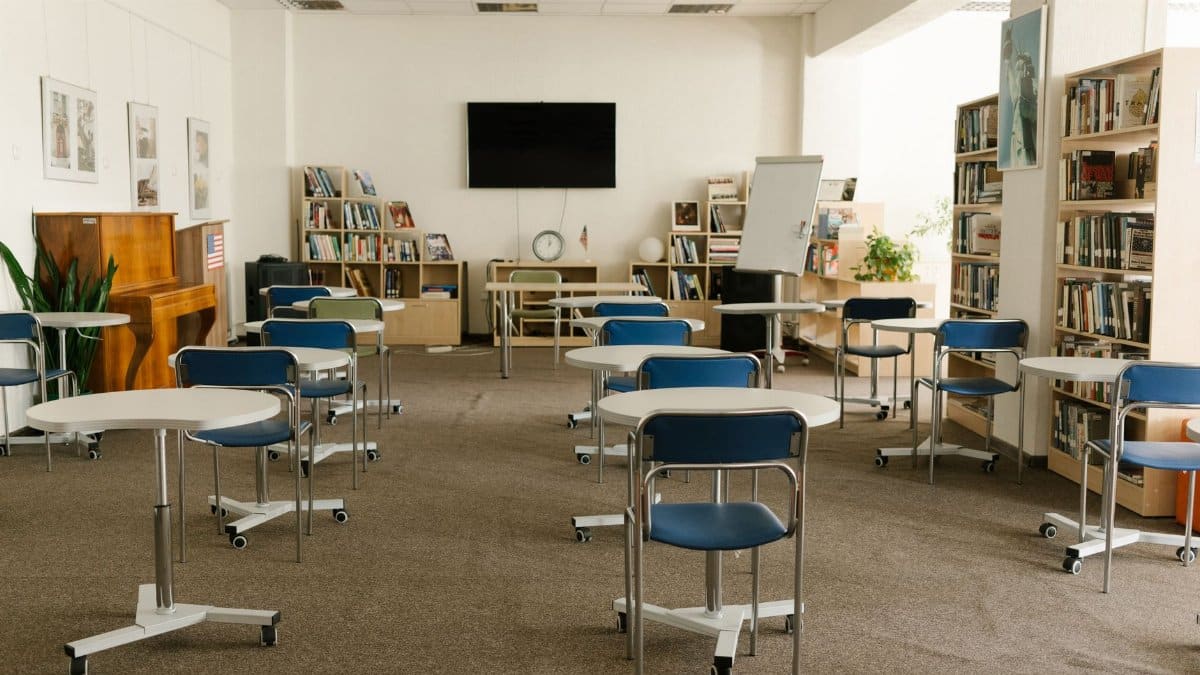
Fewer children mean many public schools operate with reduced enrollment. Teachers note that some classes now have empty desks that once held lively groups of students. Budget decisions grow more complex when funding formulas rely on head counts that keep shrinking. Administrators have begun to consolidate programs and consider which buildings might close or merge in the years ahead.
Changes Visible in Neighborhood Life
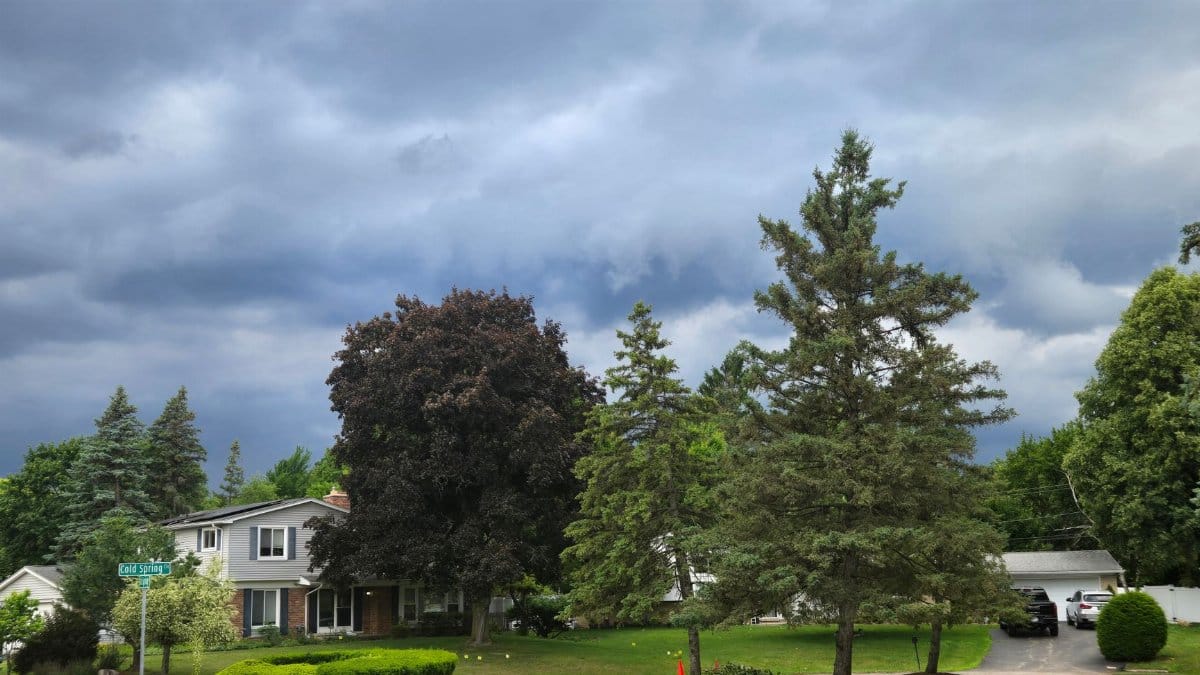
Blocks that once echoed with the sounds of children playing now see less foot traffic after school hours. Community centers adjust their offerings to serve older residents while still trying to attract the families that remain. Parks and recreation programs report lower participation rates forcing staff to rethink events and outreach efforts.
Housing Market Pressures and Family Choices

Rising home prices and limited affordable options push some households toward suburbs or other states. Those who stay often cite strong ties to local churches and community groups that provide support networks. Real estate trends reflect this outward movement as demand for larger family homes softens inside city boundaries.
Community Organizations Respond to New Realities

Non profit groups and faith based programs work to fill gaps left by smaller youth populations. They focus on quality over quantity by offering targeted mentoring and after school activities. Leaders emphasize building connections that help the children who remain thrive despite broader trends.
Looking Ahead to Long Term City Planning

Officials review strategies that could encourage families to return or stay. Ideas range from improved transit links to better school facilities and green spaces. Success will depend on addressing root concerns about safety and economic opportunity that drive relocation decisions.
Broader Context Beyond City Limits

Similar patterns appear in other older industrial cities facing population aging. Baltimore stands out however for the speed of its recent change. Comparisons with peer regions help highlight unique local challenges and possible solutions drawn from elsewhere.
Voices From Residents and Leaders

Parents describe the difficulty of finding suitable housing and reliable childcare within the city. Educators share stories of adapting lessons for smaller groups while maintaining high standards. Civic leaders stress the need for inclusive policies that value every child even as numbers decline.