

The sudden breakdown in talks over Arizona school vouchers 2026 has left education advocates and state officials facing an uncertain future that will now play out before voters in November 2026. Lawmakers and the teachers union had spent months seeking common ground on funding formulas and accountability measures yet could not bridge core differences on oversight and eligibility rules. The collapse shifts the contest from closed door sessions to a statewide campaign that promises to draw heavy spending from both sides. Parents across urban and rural districts now wonder how the absence of a legislative compromise will shape classroom resources in the years ahead.
Roots of the Current Impasse

Arizona has experimented with voucher style programs for more than a decade yet persistent questions about academic results and fiscal balance kept resurfacing. Recent enrollment shifts showed more families exploring private options while public district budgets tightened under inflation and staffing shortages. These trends set the stage for renewed negotiations this spring.
Details Behind the Collapsed Proposal

The draft agreement would have expanded eligibility to additional income brackets while requiring private schools that accept public funds to administer state tests. Union leaders argued the testing requirement was too weak and lacked enforcement teeth. Lawmakers countered that added regulations would deter participation and reduce family choice.
Teachers Union Strategy and Leverage

Organized labor mobilized quickly once the talks stalled citing concerns over potential diversion of resources from neighborhood schools. Internal memos released last month revealed plans to gather signatures for a competing ballot measure that would cap voucher growth. Union officials say the effort reflects member priorities rather than political positioning.
Legislative Calculations in an Election Year
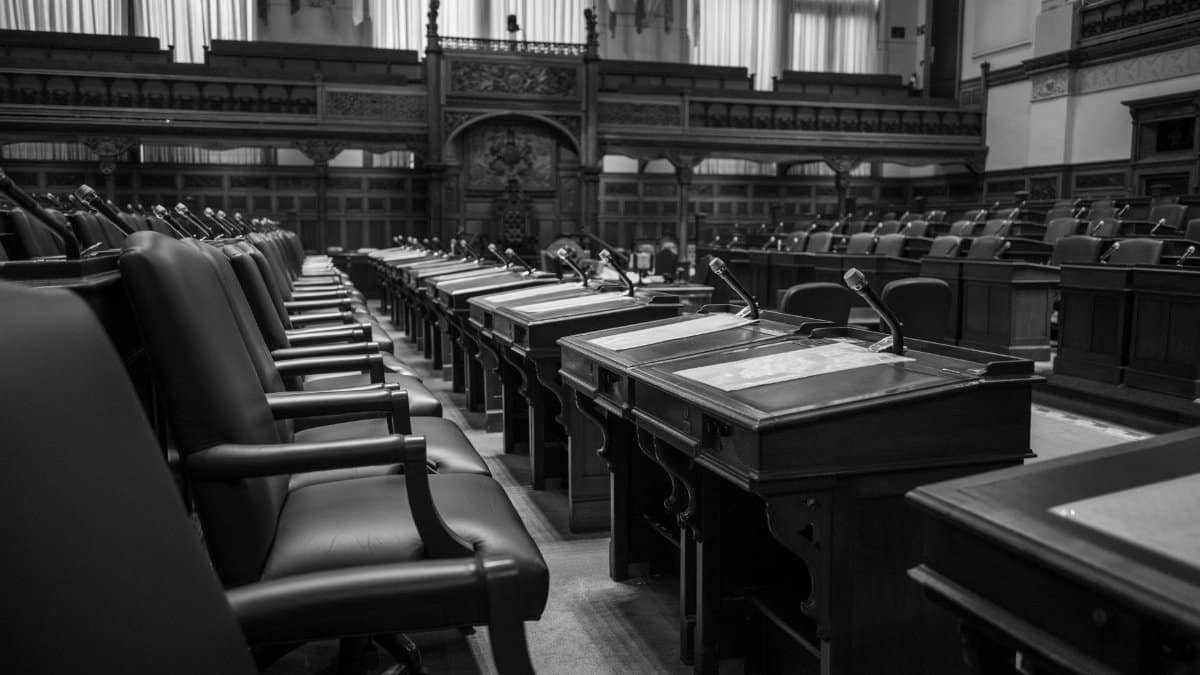
With primary contests looming next summer many Republican lawmakers hesitated to support expansions that could alienate fiscal conservatives. Democrats meanwhile saw little incentive to compromise ahead of a ballot cycle they view as favorable. The result was a mutual decision to let voters settle the matter directly.
Public Opinion Trends on Education Funding

Recent surveys indicate divided views with strong support for increased classroom spending yet skepticism toward unrestricted voucher access. Suburban parents tend to favor wider options while urban districts express worries about enrollment losses. These splits suggest the November 2026 contest will hinge on turnout patterns in key counties.
Financial Stakes for Districts and Families

Analysts estimate that a successful voucher expansion could move tens of millions of dollars away from public systems over five years. Districts already facing teacher shortages fear further strain on pension obligations and facility maintenance. At the same time some families report that current voucher amounts fall short of full private school tuition leaving gaps they must cover themselves.
Legal Precedents and Court Challenges
Prior Arizona voucher laws survived multiple lawsuits yet new language on religious school participation could invite fresh litigation. Attorneys general in other states have watched the Arizona process closely as model legislation circulates. A ballot victory for either side would likely face immediate court scrutiny before full implementation.
Voices from Classrooms and Communities
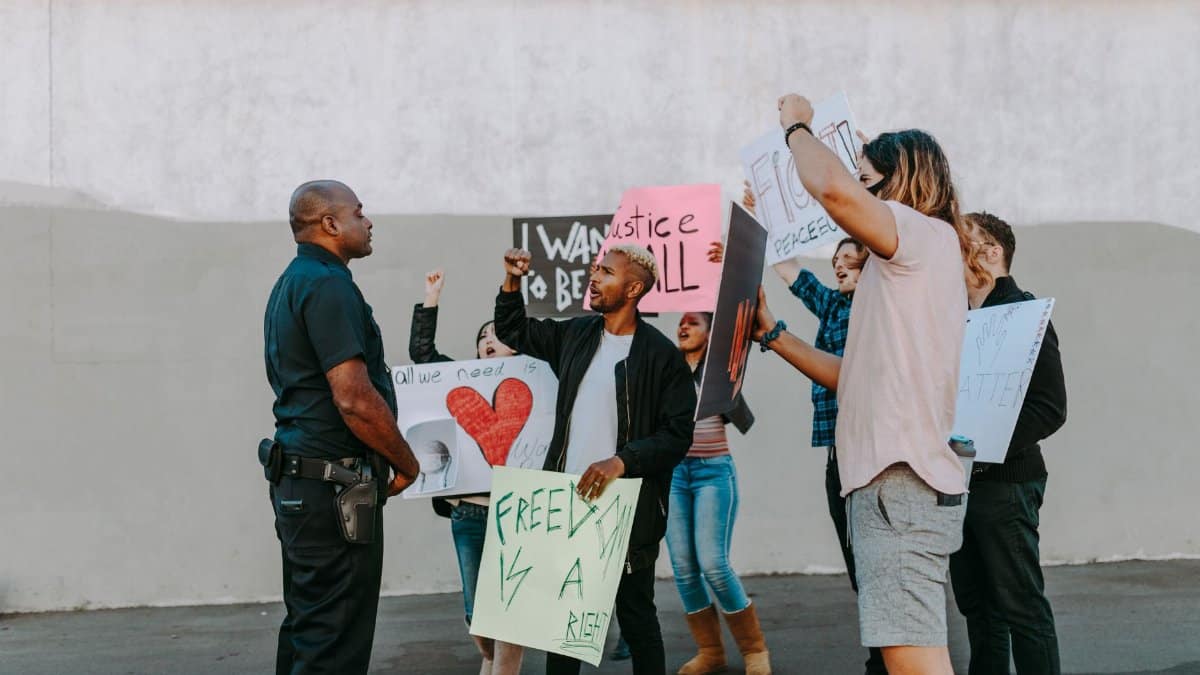
Educators in Phoenix and Tucson describe morale challenges tied to funding uncertainty while rural parents highlight transportation barriers that limit practical choices. Several school board members have begun community forums to explain how local budgets adjust when students depart for private settings. These conversations reveal no single narrative but rather layered concerns about equity and quality.
Campaign Spending and Messaging Battles

Outside groups have already reserved advertising time across broadcast and digital platforms for the fall campaign. Messaging will likely contrast claims of parental empowerment against warnings of diminished public school capacity. Historical data from similar statewide measures show turnout among infrequent voters can decide close outcomes.
Possible Paths After November 2026

Voters could approve a measure that revives elements of the failed deal or they could back restrictions that limit future growth. Either result would influence policy debates in neighboring states watching Arizona as a test case. Lawmakers may still revisit narrower adjustments during the next legislative session regardless of the ballot result.