
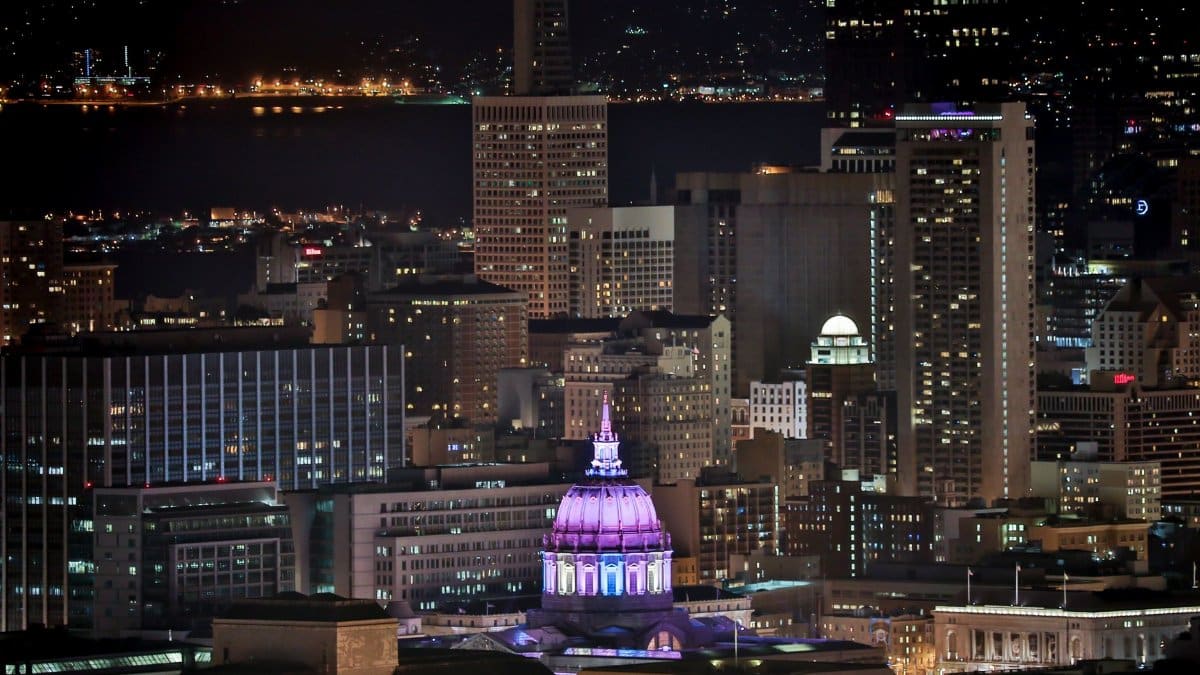
The string lights were doing their usual work, softening a city that prefers hard opinions, when a San Francisco institution asked its most dressed up friends for something more durable than a toast. At the de Young Museum in Golden Gate Park, a gala pulled in a record $2.38 million, a sum reported by SFGate and large enough to reset the evening’s bragging rights. Cameras caught gowns and glassware. The quieter fact sat underneath: a cultural house still knows how to turn a party into payroll, programs, and open doors. For one night the museum was not a backdrop. It was the reason the room existed.
A record with a local address
Numbers from galas travel fast because they are easy to repeat. $2.38 million fits in a headline and flatters a city that measures vitality in receipts. The more interesting question is what the receipt is for. The de Young is not a pop up spectacle. It is a permanent address in Golden Gate Park, a copper skinned building that has become as familiar to San Franciscans as the fog that slides over the music concourse. When its supporters write large checks, they are not buying a single evening. They are buying the unglamorous sequence that follows: conservation, education, security, the lights that stay on after the donors go home.
SFGate’s account of the night frames the total as a record, which matters in a funding climate where cultural groups have learned to treat every strong year as provisional. A record is not a promise. It is evidence that, on this occasion, the ask landed.
Why the party still works

Fundraising galas are easy to mock and hard to replace. They concentrate attention, compress months of cultivation into a few hours, and give people a stage on which generosity looks social rather than solitary. That theater is not empty. In San Francisco, where private wealth and public strain occupy the same blocks, a well run party remains one of the few civic rituals that still converts proximity into cash for culture.
The de Young has advantages that smaller groups envy. A landmark building. A collection people already feel they own in some informal way. A park setting that flatters every photograph. Those assets do not raise money by themselves. Someone still has to price the tables, shape the program, and convince guests that the institution’s next year is their business. The record suggests that work held.
What the money is asked to protect
Museums sell wonder and then spend on logistics. A strong gala underwrites exhibitions that take years to negotiate, school visits that do not show up on a red carpet, and the patient labor of keeping objects stable in a marine climate that is romantic for walkers and rough on paper, wood, and textile. Visitors rarely see that budget. They see a gallery that feels inevitable, as if the art had always been waiting in Golden Gate Park.
That illusion is expensive. When a San Francisco institution posts a record haul, the public should hear two things at once. Ambition is intact. So is dependence. No single night retires the need for memberships, city relationships, endowment discipline, or the smaller gifts that arrive without a party.
Glamour and the people who come later
There is a standing tension in nights like this. The room is exclusive by price. The mission, if it is honest, is not. A museum gala succeeds twice only if the money widens the door for people who will never buy a table. Free days, neighborhood partnerships, student programs, and exhibitions that speak beyond a donor circle are the moral test of a sparkling total.
San Francisco has spent years arguing about who gets to belong. Cultural houses do not settle that argument, but they can refuse to become members only clubs with better art. The de Young’s public setting helps. People wander in from the park, from the concourse, from buses that do not know what a gala bid looks like. The institution’s credibility rests on whether those wanderers still feel expected.
The long courting before the first glass

Records are not born at the microphone. They are assembled in lunches, board calls, curator walkthroughs, and the unphotographed courtesy of remembering who cares about textiles and who cares about contemporary painting. By the time a host lifts a glass, the evening is mostly confirmation. Surprises happen. They are rarer than the speeches imply.
That advance work is where institutions reveal their character. Some treat donors as ATMs with better tailoring. Others treat them as temporary trustees of a public good. The difference shows up later, in whether supporters stay when the party theme changes and the economy does not cooperate. A record year is a compliment to the development staff as much as to the guests. It means the story of the museum was clear enough to survive small talk.
A city testing its own confidence
San Francisco’s cultural mood has been brittle. Closures, thin downtown foot traffic, and a chorus of decline have made every full room look like a rebuttal. It is tempting to read $2.38 million as civic therapy. That reading flatters everyone and explains little. Wealthy guests can celebrate a museum and still leave the city’s harder problems untouched. A gala is not a housing plan.
It is, however, a data point about confidence. People do not underwrite a future they believe is already lost. When patrons commit at this scale to a San Francisco institution, they are voting, in the only currency a gala accepts, for the idea that the city’s cultural life is worth carrying forward. That vote is partial. It is not meaningless.
Ritual without a pulpit

The evening sits, oddly and usefully, near the language of spiritual life, even though no one came for a sermon. A gala is a ritual of gathering, of dressing the body for a shared purpose, of offering resources to something larger than a household. Museums have become, for many secular cities, the rooms where awe is still scheduled. People stand quietly in front of objects that outlast them. They bring children. They mark grief and celebration in the same galleries.
Fundraising does not sanctify that experience. It keeps the schedule from collapsing. In a moment when congregations thin and third places vanish, a museum night can function as a civic liturgy: music, procession, pledge, dispersal. The danger is confusing the liturgy with the work. The pledge matters only if Monday’s galleries still feel like they belong to the city and not to the afterparty.
The Fine Arts Museums and a wider ledger
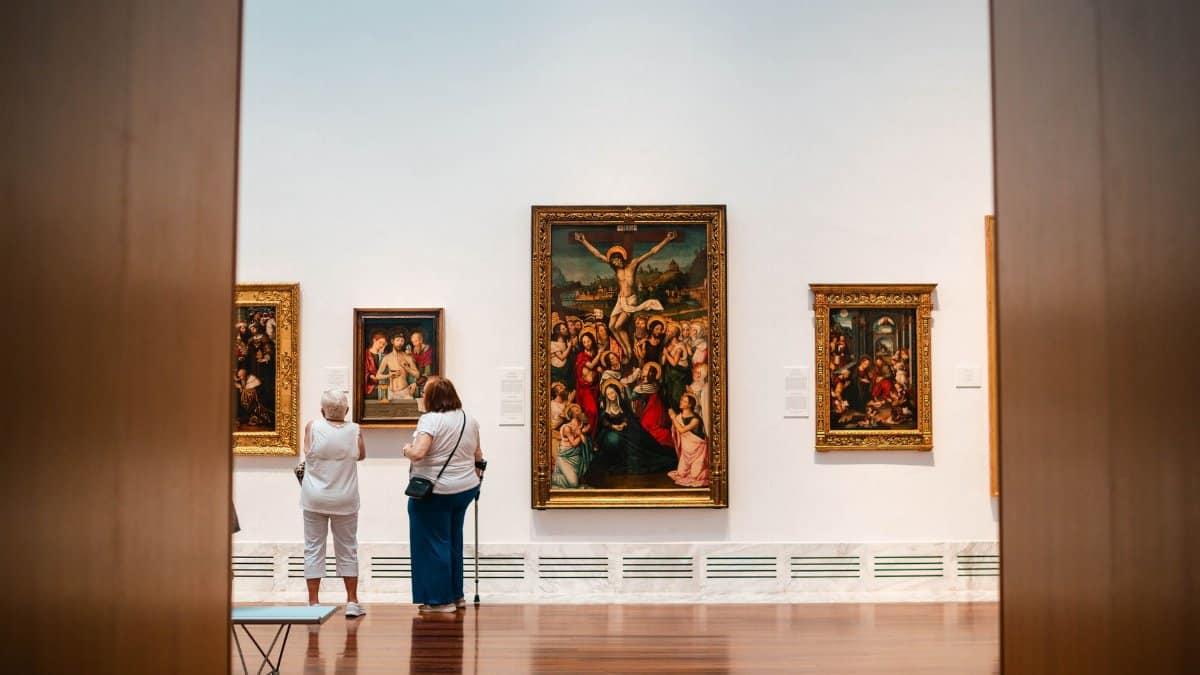
The de Young does not stand alone on the books. With the Legion of Honor, it forms the Fine Arts Museums of San Francisco, a pairing that stretches from the park to Lands End and asks one organization to speak to very different crowds. A strong night at one house can steady the other, or it can expose how uneven attention becomes when one building photographs better in evening clothes.
Boards have to resist that imbalance. A record at the de Young should not become an excuse to neglect the quieter obligations of a two museum system: conservation across collections, staff who do not rotate through galas, and audiences who may never cross the city for a party but will cross it for a painting. The public ledger is wider than the auction paddles.
What visitors should notice next
If you missed the party, you did not miss the point. The test arrives in ordinary hours. Are the galleries confident. Are school groups present. Does the building feel maintained rather than merely famous. A record gift should be legible, eventually, in the quality of attention a stranger receives at the door.
Readers who want the night’s reporting rather than its aftertaste can find SFGate’s account here: the gala coverage. The figure will age. The habit it represents should not. Cities keep their museums by repeating, in public and in private, that beauty is a shared utility.
After the lights come down
By morning the copper skin of the de Young looks like itself again, less enchanted and more useful. Staff return to inboxes. Caterers count glassware. Someone translates a triumphant total into a budget line that has to survive contact with wages and shipping crates. That translation is the grown up version of the party.
San Francisco has no shortage of nights that feel important while they last. It has a shortage of institutions that can turn importance into continuity. A record $2.38 million does not settle the museum’s future. It does announce that a San Francisco institution can still gather its people, name a need without apology, and leave with more than photographs. The rest is Tuesday, and Tuesday is where culture either holds or drifts.