
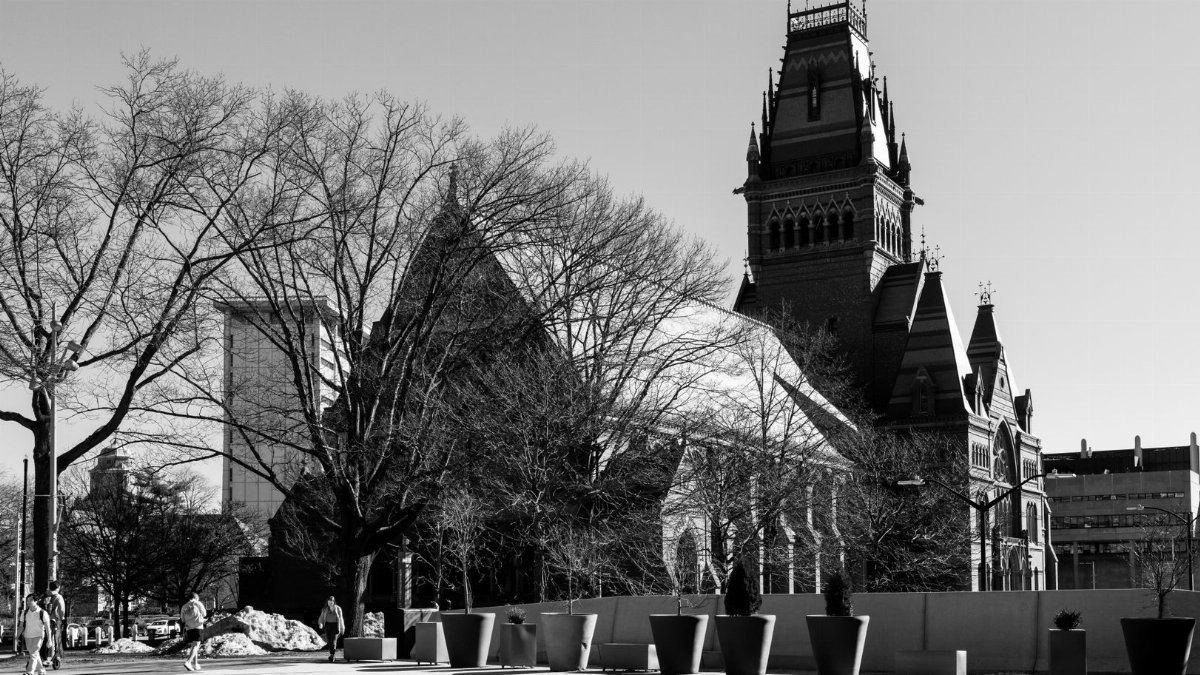
On a gray morning in Cambridge, the usual rush toward lecture halls thinned to a scatter of backpacks and closed office doors. Teaching fellows who normally led sections stood instead along the edge of the yard, holding signs and talking in low voices about rent, visas, and the work that keeps a university running. The Harvard graduate strike had returned, not as a rumor on a group chat but as a visible pause in the semester. For readers far from the Charles River, the scene can look like another campus quarrel. Up close, it is a dispute about whether the people who grade, mentor, and research can afford to stay, and whether the institution that recruits them from around the world will stand behind them when immigration rules tighten.
A familiar pause in the academic year

Harvard has seen this kind of walkout before. Graduate workers, many of them members of a union affiliated with the United Auto Workers, have withheld teaching and research labor in recent years when contract talks stalled. Each round has its own grievances, yet the pattern is recognizable: a highly selective university depends on a large, temporary workforce whose pay and security lag behind the prestige of the name on the diploma.
This year the walkout arrives again with two demands at the center. Strikers want higher pay. They also want stronger protections for noncitizen workers, a group that includes a large share of doctoral students in the sciences and in several humanities fields. Those two issues are linked. A stipend that barely covers a room in Somerville is a hardship for anyone. For a student whose legal status depends on enrollment and university sponsorship, the same shortfall can feel like a threat to the right to remain in the country at all.
What the people on the line are asking for
Talk to strikers and the language is rarely abstract. They describe late nights in labs, discussion sections that run long because undergraduates need more help, and summers when funding gaps force choices between research and a second job. They say the university benefits from that labor while treating compensation as a student benefit rather than a wage for work performed.
Pay is the plainest demand. Cambridge and the surrounding cities remain among the most expensive places to live in the country. A raise that looks generous on a national chart can still leave a single adult sharing an apartment and skipping dental care. Graduate workers argue that a university with a vast endowment can close that gap without harming its academic mission. Administrators, in public statements during past disputes, have tended to answer that total support, including tuition, health coverage, and housing subsidies, already places Harvard near the top of peer institutions.
The argument is not only about the size of a check. It is about who gets to define a livable life inside a place that sells excellence as its product.
Rent, stipends, and the arithmetic of staying
I have walked those blocks between the yard and the cheaper apartments farther out, and the arithmetic is not subtle. A commute on the Red Line, a roommate, a grocery bill that climbed after the pandemic: none of this is unique to Harvard. What is distinct is the mismatch between the hours expected of a teaching fellow and the fiction that graduate school is only a period of study, not a job.
Union members often point out that undergraduates pay tuition in part for the small classes those fellows lead. When sections are canceled, the absence is felt immediately. Parents call. Faculty scramble. The strike makes visible a dependency that ordinary weeks conceal. That visibility is the point of a labor action. It is also why both sides know a long walkout carries academic costs that are hard to repair later in the term.
Why noncitizen scholars sit at the center

Protections for noncitizen workers are the demand that gives this round its particular edge. International students are not a side population at a global research university. They are essential to laboratories, language programs, and the reputation Harvard carries abroad. Many hold visas that tie legal presence to a specific employer or to full time enrollment. A gap in funding, a delayed appointment letter, or a disciplinary process can become an immigration problem within days.
Strikers want contract language that limits the university power to place workers in situations where status is at risk, and they want clear commitments when federal policy shifts. They ask for timely appointment letters, guarantees that the university will not volunteer information to immigration authorities beyond what the law requires, and support if a worker must leave and try to return. University lawyers, in earlier negotiations on other campuses as well as at Harvard, have often said that some of those promises sit outside what a private employer can control, because immigration law is federal.
That legal caution is real. It does not erase the moral claim. A university that recruits scholars from abroad has already made a promise of a kind, even if it is not written in a visa form. The Harvard graduate strike presses that promise into contract text, where it can be enforced rather than admired.
How the administration frames its duty
Harvard, like other wealthy private universities, tends to speak of partnership rather than opposition. Officials describe graduate students as apprentices and future colleagues. They emphasize health insurance, childcare funds, and emergency grants. They warn that large wage increases could force tradeoffs in fellowship numbers or in support for undergraduates.
Those claims deserve a hearing. Endowments are not cash drawers. Spending rules, donor restrictions, and the need to fund financial aid for college students all constrain what a provost can move in a single budget year. Still, strikers hear a familiar pattern: abundance in capital campaigns, austerity at the bargaining table. The trust gap is as much a part of the dispute as any wage proposal.
Faculty are split in public and more split in private. Some cancel classes in solidarity. Others insist that withholding grades harms students who did not choose the fight. That split is not a failure of the strike so much as evidence that academic life contains several loyalties at once: to pupils, to research groups, to a union, and to an institution that employs everyone in the room.
The classroom when teaching stops

Undergraduates feel the disruption first. A lecture may continue while the section that makes the lecture understandable does not. Office hours vanish. Grading slows. For seniors applying to graduate school or to jobs, a missing recommendation or a delayed mark is not a symbol. It is a practical problem.
Strike leaders usually try to limit harm to undergraduates, sometimes by offering alternative support or by timing actions around deadlines. The tension remains. A labor action in a university is unlike a factory shutdown in one respect: the people who lose the service are often young, indebted, and not the party across the table. Strikers answer that the alternative, a quiet acceptance of low pay, also harms students, because exhausted teachers teach less well and leave.
Parents reading headlines from a distance may want a simpler story, heroes and villains. The more honest account is a collision of obligations. The Harvard graduate strike asks the public to hold two thoughts: students deserve their classes, and the people who teach those classes deserve a wage that matches the city and the hours.
Dignity, vocation, and the refusal to work
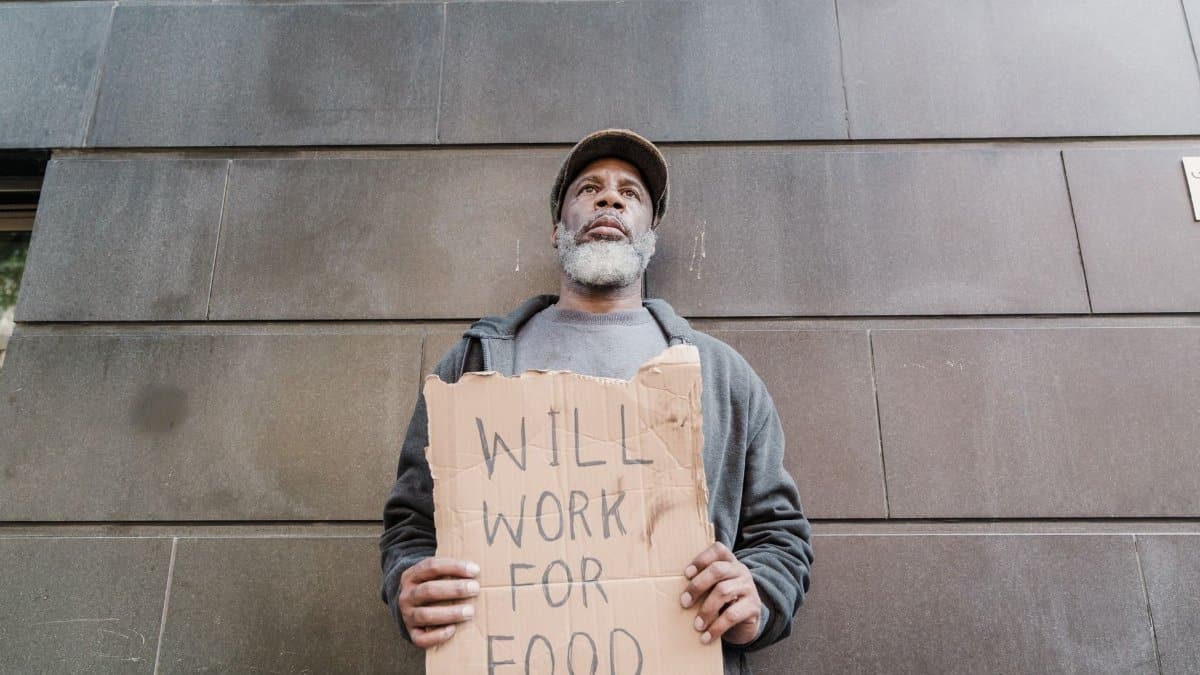
There is a spiritual current under the economic one, even if few people on a picket line would use that word. Graduate school still sells itself as a calling. The old story says that sacrifice now will be repaid in a life of inquiry. For a generation facing adjunct labor, visa anxiety, and rents that consume stipends, that story has worn thin. Refusing to work can be an act of conscience as much as a tactic. It says the calling does not require quiet poverty, and that a community of learning fails a basic test if it cannot shelter the people it invites in.
Religious traditions have long treated fair wages as a matter of justice rather than charity. Withholding labor, in that light, is not only a negotiation tool. It is a way of saying that time, attention, and care are not infinitely extractable. A campus that schedules every hour can forget that rest and security are part of what makes serious thought possible. The walkout is a rough reminder of that limit.
What other universities are learning

Harvard does not bargain in a vacuum. Graduate unions have won recognition at a widening set of private universities over the past decade, after federal labor rulings opened that path. Contracts at peer schools become comparison points within days. A wage floor accepted in one city shows up in proposals in another. Protections for international workers, once treated as too legally fraught to write down, are now standard demands.
That spread changes the stakes. If Harvard settles high, other administrations will face pressure to match. If Harvard holds a hard line and weathers a long strike, others may feel licensed to do the same. Observers in Boston, New York, and California are reading the same picket signs for clues about the next contract cycle. The local fight is also a template.
Memory of earlier walkouts

Veterans of the 2019 and 2021 actions still work on campus, some as faculty, some still finishing degrees that ran long. They remember cold days, faculty letters, and the strange quiet of a library during a strike week. They also remember partial victories: raises, funds for childcare or dental care, and contract language that did not exist a generation ago. Those memories cut both ways. They show that strikes can move an administration. They also show that each contract expires, and that the next cohort inherits both the gains and the unfinished arguments.
New members, many of whom arrived after the pandemic and after a spike in living costs, do not share that institutional memory in the same way. For them the Harvard graduate strike is not a sequel. It is the first time the university has asked them to choose between a section they were hired to teach and a picket line their union called. That choice forms political habits that last longer than any single semester.
The international scholar and the local budget

One of the quieter effects of the dispute is how it joins two conversations that universities often keep apart. Development offices speak of global Harvard. Budget offices speak of stipends and appointment dates. On the picket line those conversations meet. A student from Lagos or Seoul or Mexico City is not an emblem of diversity in a viewbook. That student is a worker whose December rent and January visa status may depend on language in a contract most alumni will never read.
Alumni who give to financial aid sometimes assume their gifts already solve this. Undergraduate aid and graduate stipends are not the same pool, and restricted gifts cannot always be redirected. Still, donors have leverage they rarely use in labor disputes. A few public questions from major benefactors have, on other campuses, moved negotiations more than a week of chanting. Whether that happens here is an open question, and one the strikers cannot control.
What a settlement would need to hold

A durable agreement would do more than split the difference on a percentage raise. It would set pay on a path that tracks local housing costs rather than a national academic average that ignores Cambridge rents. It would put appointment timelines in writing so that noncitizen workers are not left waiting for letters that immigration forms require. It would create a process, short of a lawsuit, for workers who believe the university has put their status at risk.
It would also need a way back into the classroom that does not punish undergraduates for a fight they did not start. Make up sections, clear grading calendars, and a shared statement about what was missed would not erase the disruption. They would treat students as members of the same community rather than as collateral.
None of that is simple. Bargaining teams trade paragraphs for weeks. Mediators, when they are invited, translate anger into clauses. The public sees only the walkout and then, if it comes, a joint email announcing a vote. The clauses are where the Harvard graduate strike either becomes a change in daily life or a headline that fades.
After the signs come down

When picket lines end, the university returns to its ordinary speed with surprising ease. Lectures resume. Labs hum. The people who struck go back to the same benches and the same inboxes. What remains is a record: of who stood where, of what the contract says, and of whether international scholars feel safer than they did in October.
Readers outside Cambridge might treat the episode as remote. It is not. The same pressures, costly cities, contingent academic labor, and immigration rules that can upend a life over a paperwork delay, shape research universities across the country. Harvard is only the loudest stage. The question the strikers pose is portable. Can an institution devoted to truth telling tell the truth about who does its work, and what that work is worth, before the next cohort is asked to choose between a classroom and a line outside it?