
In a Port au Prince neighborhood where residents have learned to read the sound of gunfire the way other cities read weather, the first sight of foreign uniforms this fall did not produce a single reaction. Some people waved. Some closed their shutters. A pastor near the edge of the capital told congregants to pray for the visitors and for the neighbors those visitors might never meet. Salvadoran troops Haiti had become, almost overnight, both a headline and a wager on whether armed help from abroad can do what Haitian institutions have not managed alone.
A capital measuring every new convoy
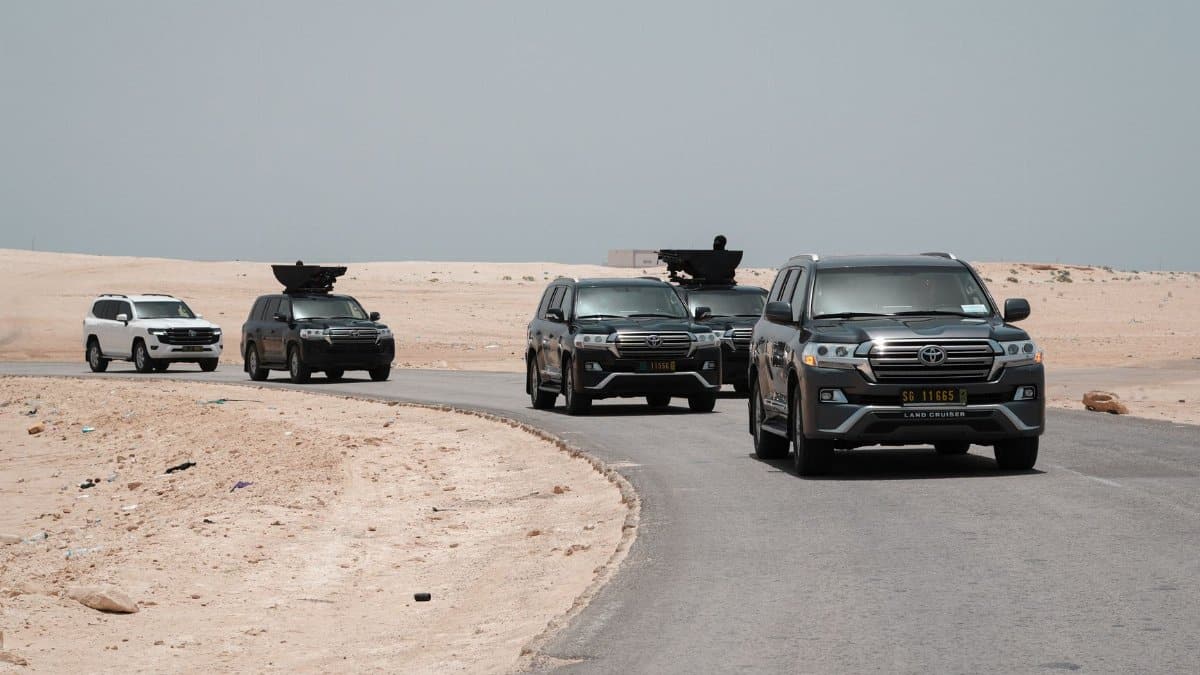
Late October 2026 brought Salvadoran soldiers into a country already fluent in the language of missions, mandates, and disappointment. The streets they entered are not abstractions. They are markets with shortened hours, schools that open when the road is quiet, and clinics that ration fuel for generators. For people who have buried relatives after gang attacks, any additional uniform can look like a chance at ordinary life. For people who remember earlier deployments that came with promises and left with unresolved grief, the same uniform can look like another chapter written by someone else.
That split is not theatrical. It is practical. A mother who wants her child to walk to class is not required to settle a debate about sovereignty before she feels relief. A student who has watched foreign forces rotate through the capital is not required to pretend that relief is the same thing as a plan.
Why this contingent, and why now

El Salvador has spent recent years selling a hard security model to audiences far beyond its borders. Its president has treated a steep drop in homicides as proof that the state can reclaim territory from gangs if it is willing to accept sharp tradeoffs in due process and civil liberty. Haitian officials and foreign partners, facing armed groups that tax roads, seize neighborhoods, and outgun local police, have looked for partners who appear decisive.
The decision to send Salvadoran troops Haiti is therefore political as well as military. It signals that regional governments still believe a security gap in the Caribbean can spill into migration routes, trade, and diplomatic standing. It also signals that Washington and other capitals remain reluctant to put large numbers of their own soldiers at the center of the story, even when they help shape the mission.
Hope that is specific, not abstract

Talk to people who support the deployment and the hopes are concrete. They want the airport road to stay open. They want extortion calls to stop. They want funerals that are not interrupted by crossfire. In a city where gangs have acted as landlords, judges, and tax collectors, the idea of a force that does not answer to those gangs has obvious appeal.
Hope, in this setting, is not naivete. It is a calculation made under pressure. If Salvadoran troops Haiti can disrupt the worst choke points, even for a season, families may store food, small businesses may reopen, and police may patrol blocks they had abandoned. Those are not small things. They are the difference between a week that can be planned and a week that cannot.
The memory that arrives with every foreign rifle
Haiti’s modern history includes long stretches of outside control and shorter bursts of outside rescue. The United States occupation in the early twentieth century left institutions and resentments that scholars still argue over. Later United Nations missions brought some stability and, in grim episodes, cholera and credible accounts of sexual abuse. A more recent security mission led by Kenya arrived with international blessing and struggled against the scale of the gangs, the weakness of Haitian politics, and the limits of its own mandate.
None of that history proves that the Salvadoran deployment must fail. It does explain why applause in one courtyard can sit beside suspicion in the next. People are not only asking whether soldiers can shoot straight. They are asking who commands them, who investigates them, and who remains when the cameras leave.
Sovereignty is not a slogan here
Critics of the mission speak less about tactics than about authorship. A country that cannot choose its own security partners without intense foreign pressure is a country whose sovereignty is already thin. Adding Salvadoran troops Haiti to that picture, they argue, risks teaching armed groups and politicians alike that real power sits offshore. Even a well behaved contingent can crowd out the slower work of building courts, paying civil servants, and giving Haitian officers a chain of command the public trusts.
Supporters answer that sovereignty without a street you can cross is a legal fiction. The argument will not be settled by a press conference. It will be settled by whether Haitian authorities gain capacity or merely gain cover.
What a rifle cannot administer
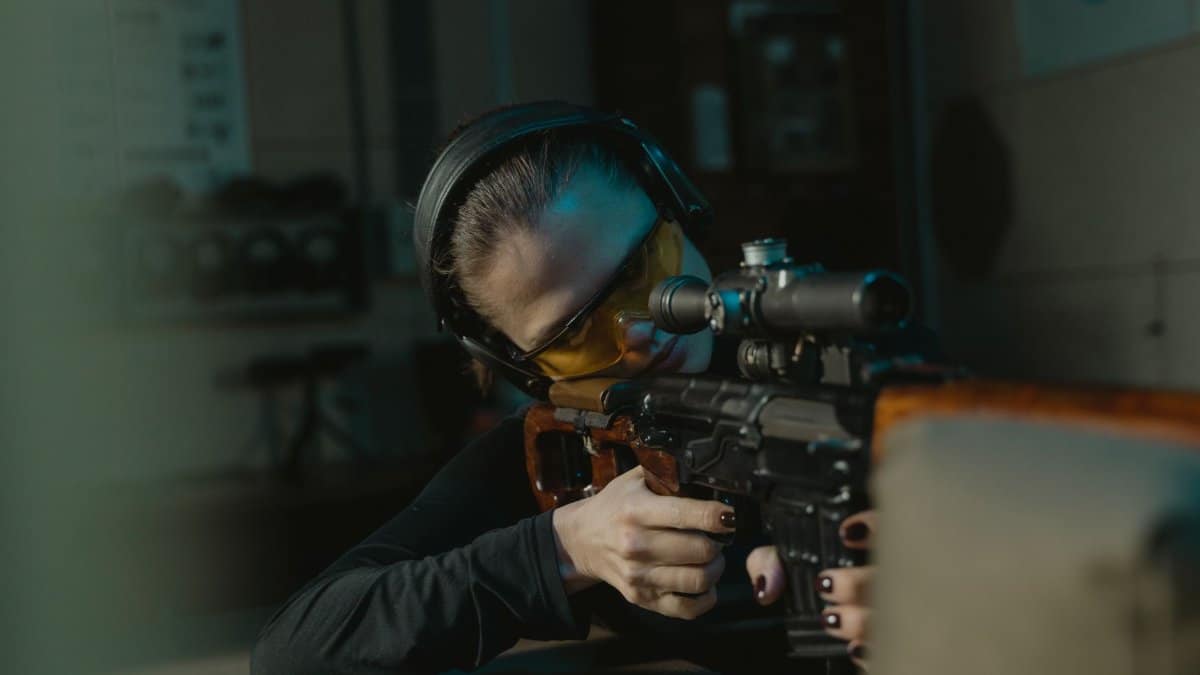
Soldiers can clear a junction. They cannot staff a prosecutor’s office, repair a customs service, or make a parliament function. Gang violence in Haiti grew in the gaps left by assassinations, disputed elections, and an economy that offers young men few wages competitive with the gun. A deployment that treats those gaps as scenery will win days and lose years.
There is also the question of method. El Salvador’s domestic campaign relied on mass arrests and prolonged emergency powers. Transplanting that instinct into Haiti, where gangs are entangled with political patrons and where prisons are already overcrowded and porous, could multiply abuses without shrinking the threat. Rules of engagement, independent complaint channels, and public reporting are not bureaucratic ornaments. They are the difference between a force that residents inform and a force that residents hide from.
Faith communities reading the moment

In a country where churches remain among the few institutions that still gather people across class and neighborhood, the arrival has taken on a moral tone as well as a strategic one. Priests and pastors have urged restraint, visits to the wounded, and prayers that foreign soldiers not become another fear. Some congregations have organized food distributions timed to moments when roads feel safer. Others warn that spiritual language can be used to bless policies that have not earned that blessing.
The category of hope matters. A hope that asks only for quieter nights is compatible with accountability. A hope that treats any critic as an enemy of peace is not. Haitian religious life has often carried both impulses, and it is likely to do so again as Salvadoran troops Haiti move from arrival photos into routine patrols.
The audience watching from San Salvador
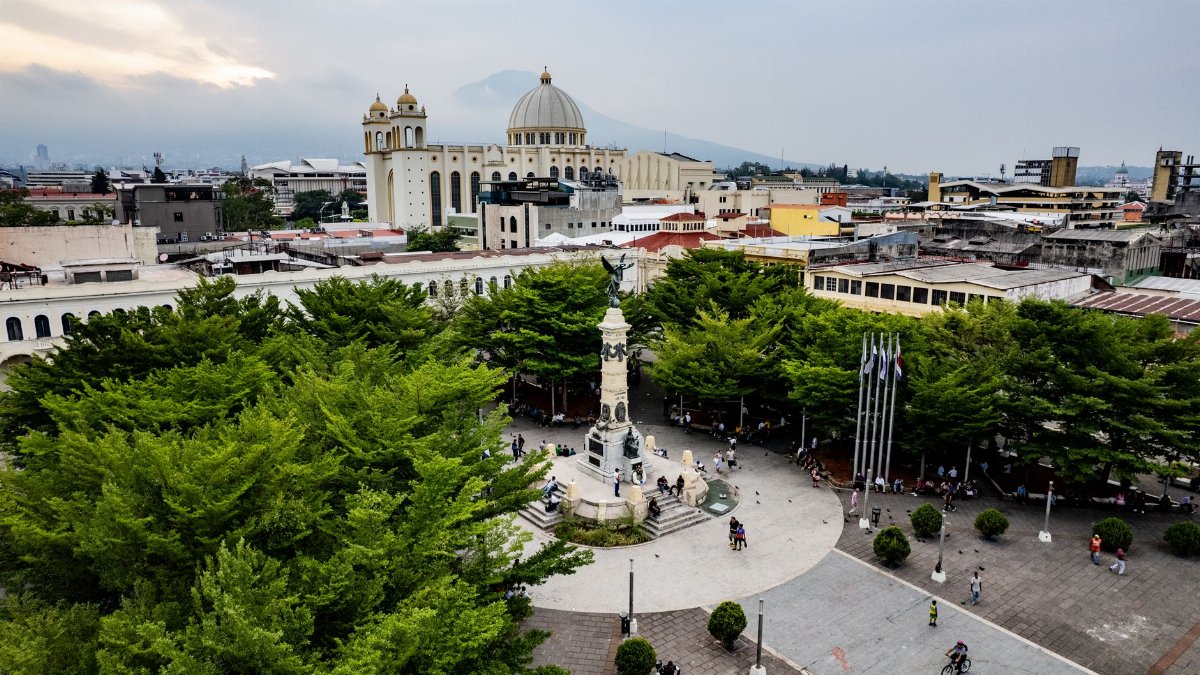
The deployment is also a domestic story in El Salvador. A government that has staked its reputation on security gains has reason to want a foreign mission that looks competent and contained. Casualties, scandal, or a long stalemate would travel home quickly. So would images of soldiers handing out aid or standing beside Haitian police at a reopened market.
That dual audience can distort priorities. Missions shaped for television tend to favor visible sweeps over the dull work of mentoring investigators or protecting witnesses. If success is defined as a falling number of dramatic attacks in a few filmed districts, commanders may chase the metric and miss the network.
Money, logistics, and the quiet constraints

No contingent sustains itself on resolve. Fuel, medical evacuation, interpreters, radios that work with Haitian police, and a legal basis for detention all decide what soldiers can actually do by the second month. Partners who praise the deployment in public and delay funding in private will produce a force that looks larger on paper than it does on the road.
Haitian police, underpaid and often outgunned, remain the institution that must outlast every visitor. If the Salvadoran role is to accompany and strengthen those officers, the mission has a plausible core. If it becomes a substitute, the day of departure will look like the day before arrival, only with fresher graves.
Pitfalls that do not require cynicism to name
Several risks are already visible. One is mission creep, the slow expansion from protecting key sites to refereeing Haitian politics. Another is abuse, which destroys intelligence faster than any gang communique. A third is fragmentation, in which multiple foreign contingents operate with different rules and Haitian civilians cannot tell who is accountable for a raid gone wrong. A fourth is political capture, in which local strongmen use the outsiders to settle scores.
None of these pitfalls requires one to wish the deployment ill. They require one to notice that armed interventions fail in familiar ways, and that familiarity is not the same as fate only when someone changes the design.
What would count as a decent outcome
A decent outcome would be modest enough to recognize. Fewer kidnappings on the main arteries. Haitian units that can hold a neighborhood after a joint patrol ends. Courts that process cases instead of warehouses that only store suspects. A published calendar for drawing down foreign troops, tied to capacities rather than to embarrassment. And a public record of complaints that is not managed by the same command accused of harm.
Measured that way, Salvadoran troops Haiti could be a bridge rather than a destiny. Measured only by whether gangs vanish, the mission will be declared a failure by people who never funded the work that sits beside the rifle.
The argument that remains after the convoy passes
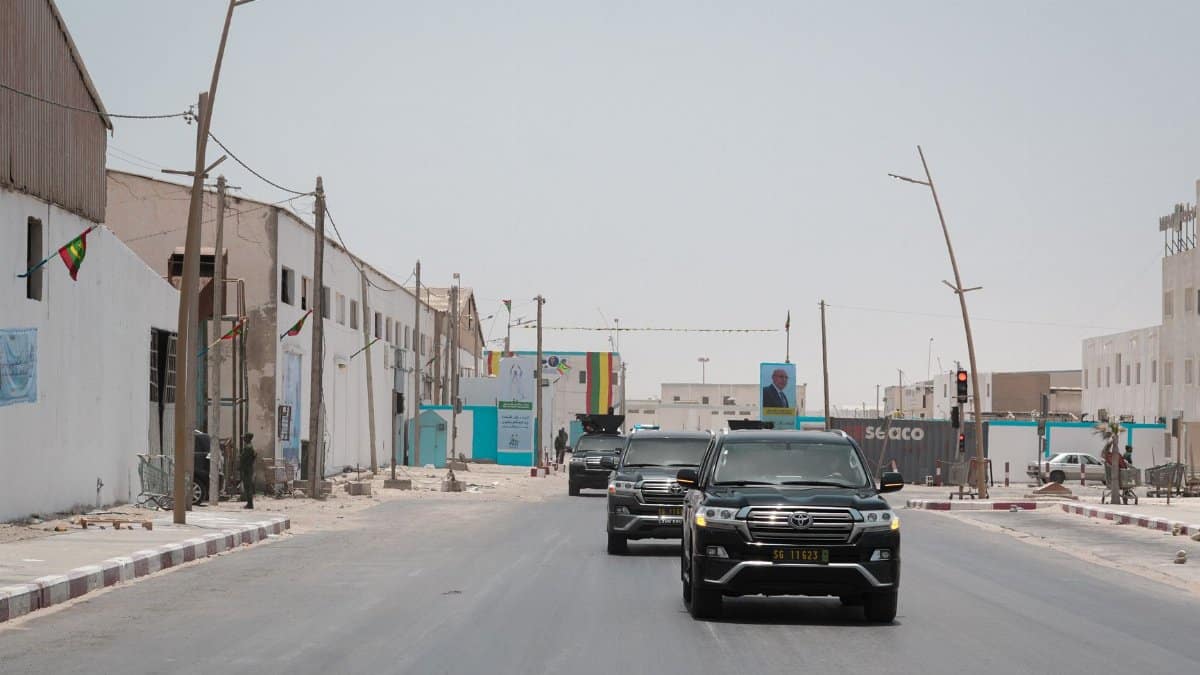
I have covered enough security deployments to distrust both triumphal arrival stories and automatic eulogies. The people waving and the people closing shutters can both be right about the morning in front of them. One sees a chance to buy bread without paying a tax to a teenager with a rifle. The other sees a pattern in which outsiders borrow the language of partnership and leave the bill.
The honest position is narrower than either camp prefers. Foreign soldiers can create a pause. They cannot redeem a state. If Haitian leaders, donors, and the Salvadoran command treat the pause as time to rebuild police, courts, and a political path that gangs cannot veto, the hope on those streets will have been rational. If they treat the pause as the policy itself, the pitfalls will not need to be imagined. They will arrive on schedule, wearing whatever uniform comes next.