

Phoenix Politics has long shaped the direction of Arizona in ways that extend far beyond city limits. Recent population surges have placed new pressures on housing, water resources and public services while elected leaders debate how best to manage growth without losing the character that drew residents here in the first place. Observers note that decisions made at city hall often ripple through state legislative chambers and influence policy debates in Washington. This interplay keeps local races closely watched by strategists across the region.
Early Foundations of City Leadership

Settlers established basic governance structures in the late nineteenth century that still echo in current council procedures. Those first ordinances addressed irrigation rights and street maintenance, issues that remain central to discussions today. Over decades the framework expanded to include zoning rules and public safety protocols that define daily life for thousands of households.
Population Growth and Infrastructure Demands

Rapid expansion has forced repeated revisions to transportation plans and utility networks. City records show steady increases in building permits each year, pushing planners to balance new development against limits on available land and water. Residents voice concerns at public meetings about traffic congestion and rising costs for basic services.
State Level Influence from Local Races
Candidates who succeed in Phoenix municipal contests frequently move on to statewide offices. Their experience with urban issues such as transit funding and neighborhood preservation informs broader legislative agendas. This pattern creates a steady pipeline of leaders familiar with both city specific challenges and statewide priorities.
Water Policy at the Center of Debate
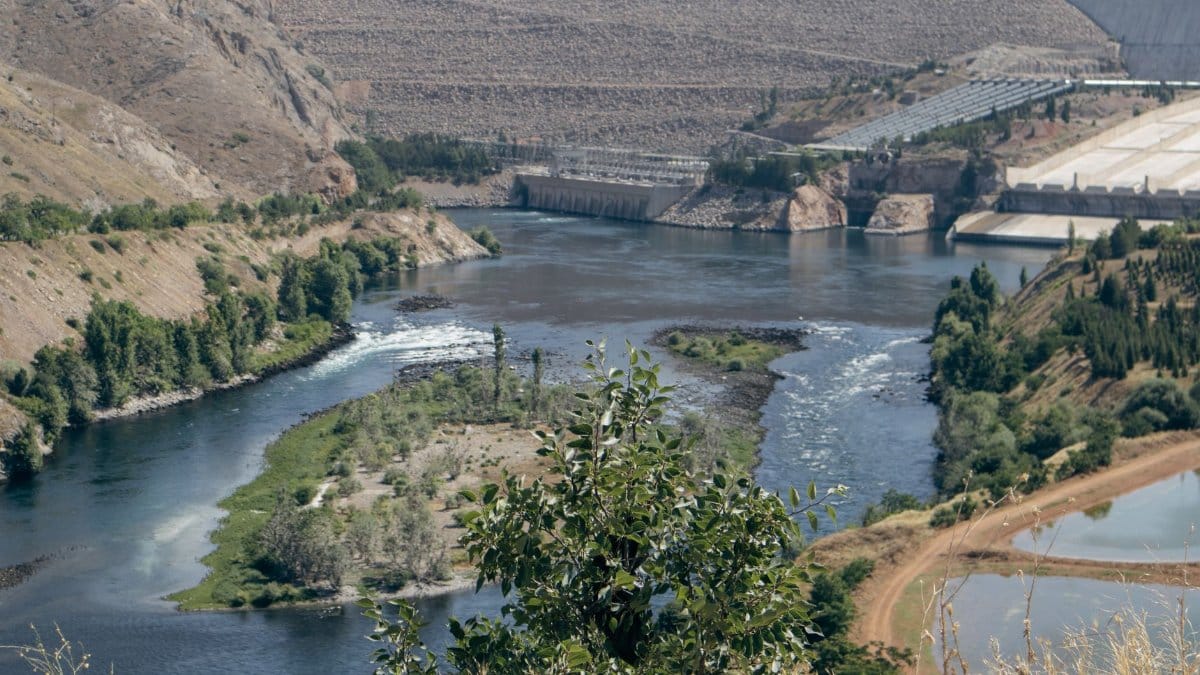
Negotiations over Colorado River allocations draw intense scrutiny from Phoenix officials. Drought conditions have accelerated talks about conservation measures and alternative supply sources. Public hearings reveal divisions between agricultural interests outside the city and urban users who rely on the same river system.
Demographic Shifts Reshape Voter Priorities

New arrivals from other states bring varied expectations about schools, parks and cultural amenities. Census data indicate rising shares of younger families alongside established retirement communities. These changes prompt candidates to adjust campaign messages around education funding and recreational access.
Media Coverage and Public Perception
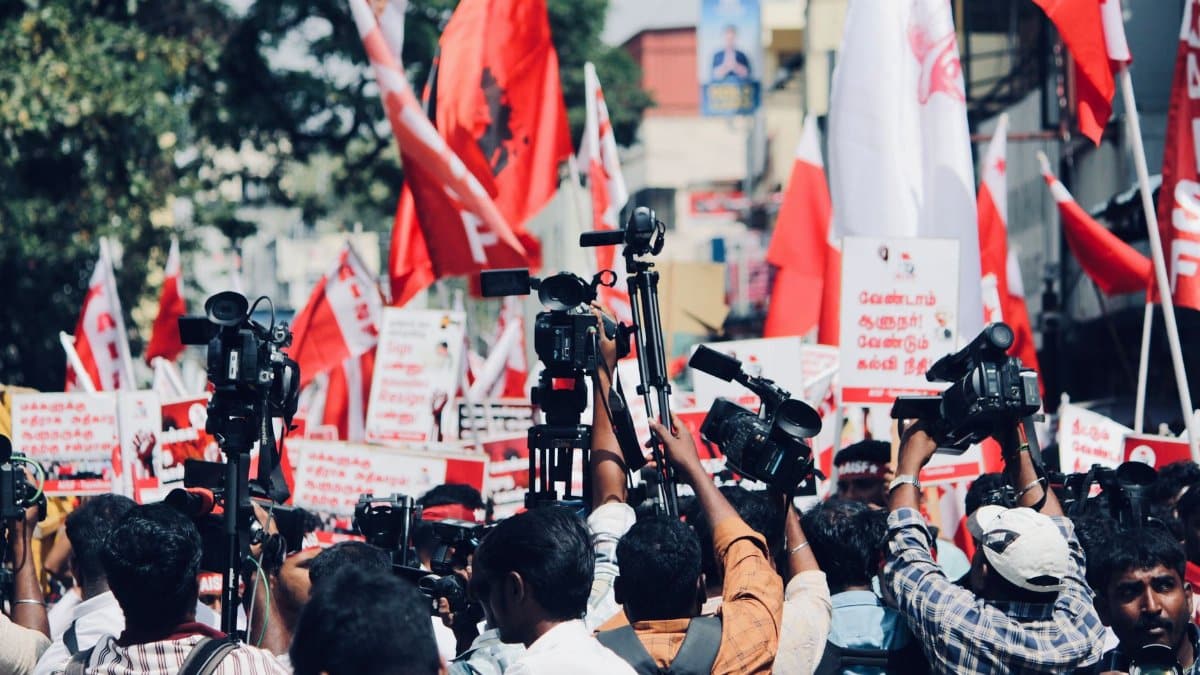
Local outlets play a consistent role in highlighting council votes and candidate forums. In depth reporting on budget shortfalls or development proposals helps residents track how tax dollars are spent. National attention sometimes follows when Phoenix decisions intersect with federal immigration or environmental rules.
Future Outlook for Regional Cooperation

Suburban communities surrounding the city often coordinate on shared projects such as light rail extensions and emergency response systems. Joint task forces have formed to address homelessness and air quality, issues that cross municipal boundaries. Success depends on sustained communication among elected bodies with differing political leanings.