

In the aftermath of several prominent incidents that stirred political tensions across the state, Arizona finds itself at a crossroads over how to address bias motivated offenses. Recent events have prompted lawmakers to consider expanding current statutes, bringing the Arizona Hate Crime Legislation Political Debate into sharper focus as officials assess whether political views deserve the same safeguards as other characteristics.
Origins of Current Protections

Arizona statutes already cover bias based on race, religion and sexual orientation among other traits. These measures emerged from efforts in prior decades to respond to targeted violence. Lawmakers now examine whether adding political affiliation would address gaps exposed by newer conflicts.
Recent Incidents Prompting Review

Several high profile episodes involved attacks tied to political rallies or affiliations. Witnesses described assaults where perpetrators referenced party loyalties or ideological stances. Such cases have fueled arguments that existing rules fall short when motivations center on partisan divides.
Arguments from Supporters of Expansion

Advocates maintain that political beliefs increasingly spark hostility in polarized times. They point to threats against elected officials and volunteers as evidence that new language could deter future harm. Proponents also note similar provisions in a handful of other states that have updated their codes.
Concerns Raised by Opponents

Critics counter that political affiliation differs from immutable traits and could complicate enforcement. They worry about free speech implications if prosecutors must prove bias tied to opinions rather than identity. Some legislators have questioned whether such changes might invite selective application along party lines.
Public Reaction Across Communities
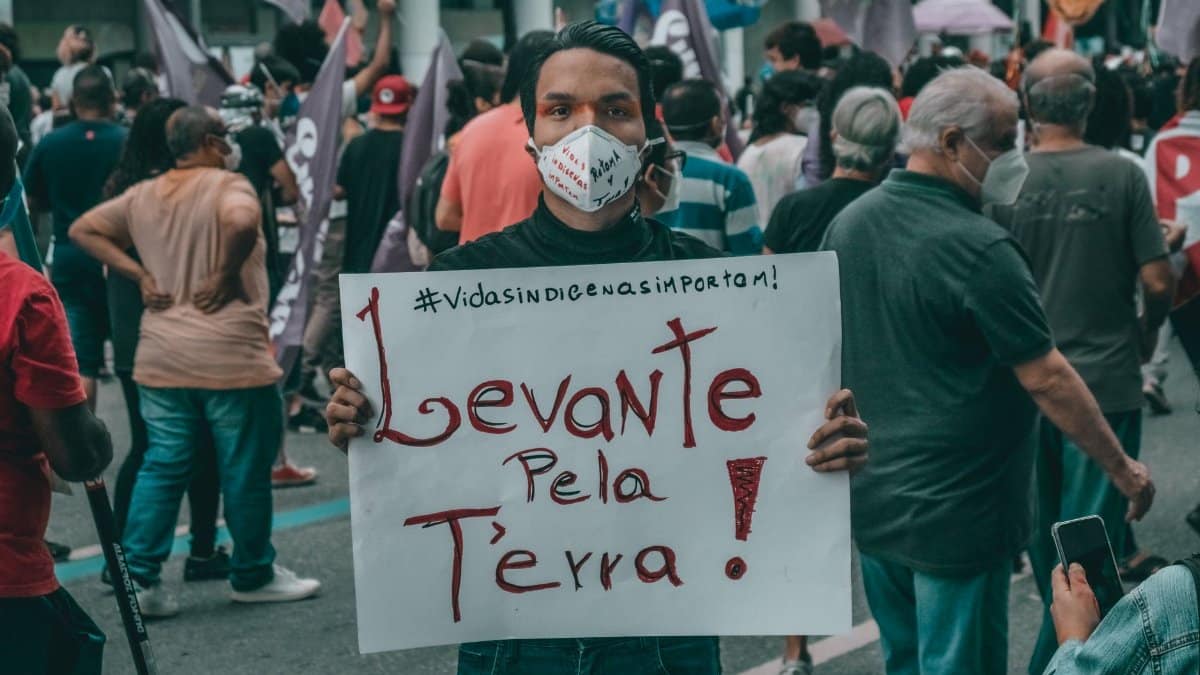
Surveys indicate divided opinions among residents. Urban areas show more support for broader coverage while rural voters often express skepticism. Town halls have featured testimony from victims as well as civil liberties groups urging caution.
Comparisons with Other States

A few jurisdictions already list political orientation in their hate crime frameworks. Outcomes there vary with some seeing modest increases in reported cases while others report little change in prosecution rates. Arizona officials have studied these examples during committee hearings.
Potential Effects on Law Enforcement

Police departments would need updated training to identify qualifying incidents. Prosecutors anticipate challenges in establishing motive when political rhetoric overlaps with personal disputes. Resource needs could rise if reporting increases following any statutory shift.
Role of Advocacy Organizations
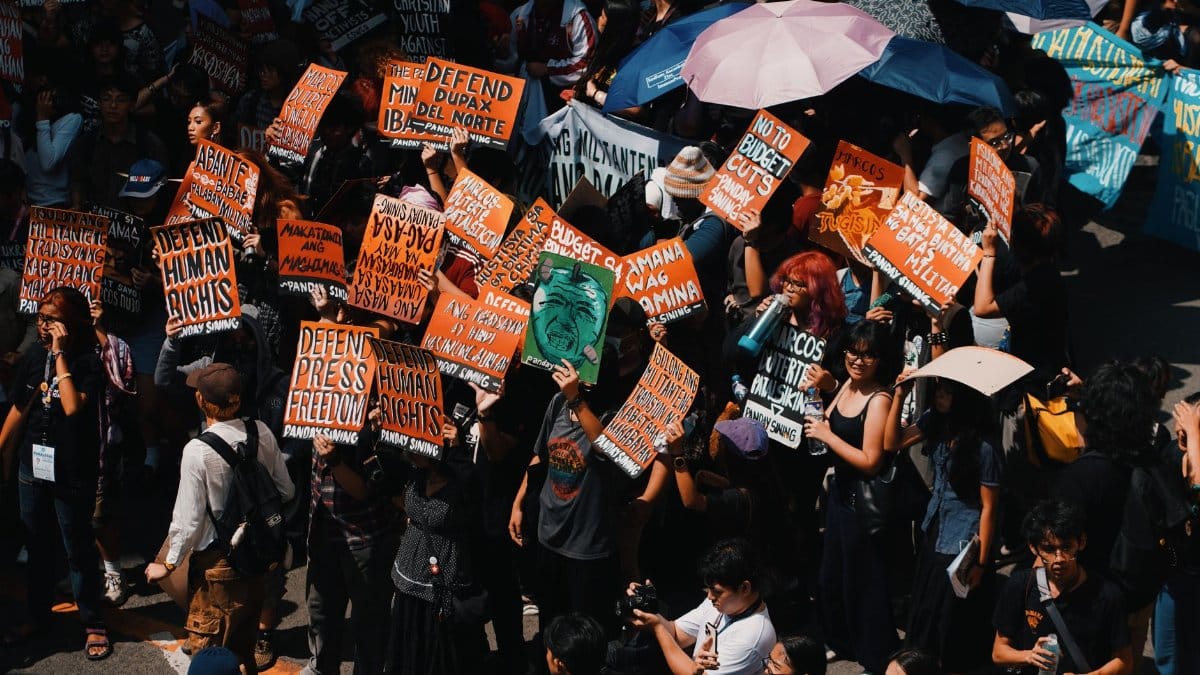
Groups focused on civil rights have urged swift action while free speech advocates call for measured deliberation. Both sides have submitted written comments to legislative committees reviewing the proposals.
Legislative Timeline and Next Steps
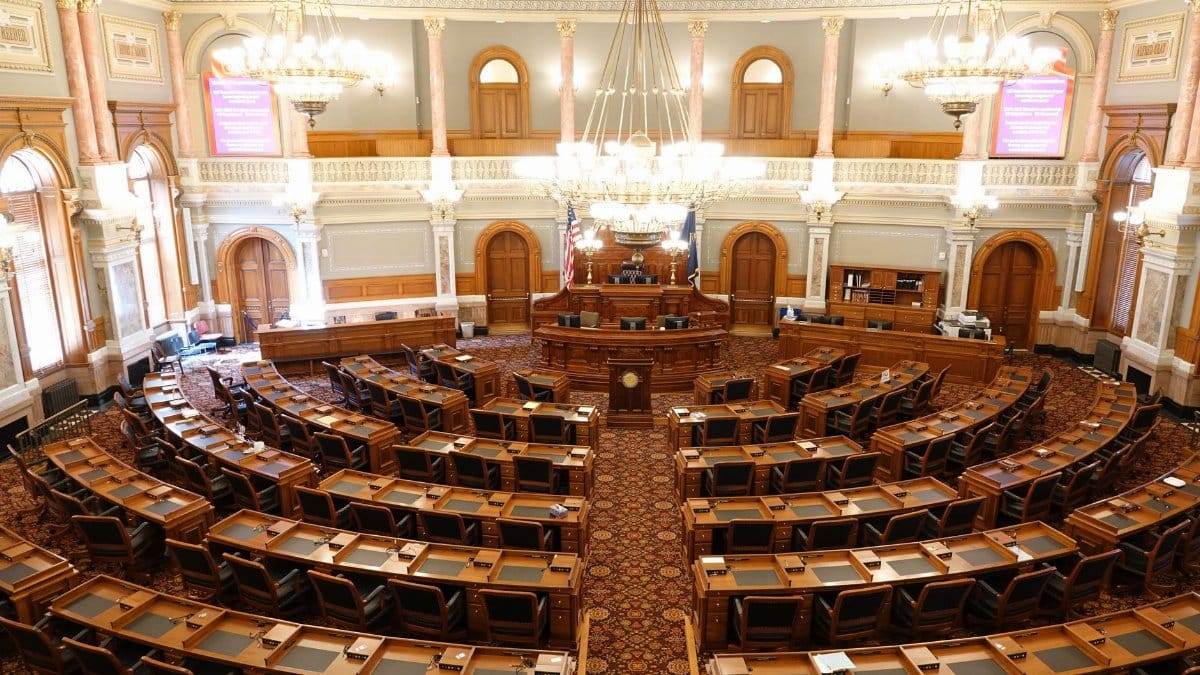
Bills are advancing through initial committee reviews with floor votes possible later this session. Amendments may narrow or broaden the scope depending on negotiations between chambers.
Broader Implications for National Trends

The outcome in Arizona could influence debates elsewhere as states grapple with similar pressures. Observers note that success or failure here might shape model language considered by other assemblies.