

Residents across Boston and surrounding communities face an unusual challenge this week as temperatures climb alongside unusually high humidity levels. Such conditions elevate health risks in ways standard forecasts often overlook. Scientists track these threats through wet bulb readings that show when the human body struggles to cool itself even at rest. Forecasts point to readings that could approach critical thresholds across much of the region. New England Heat Wave 2026, Wet Bulb Temperature Boston, Dangerous Heat Massachusetts stands out as a period that will test everyday routines and public health systems alike.
Tracking Rising Humidity Levels
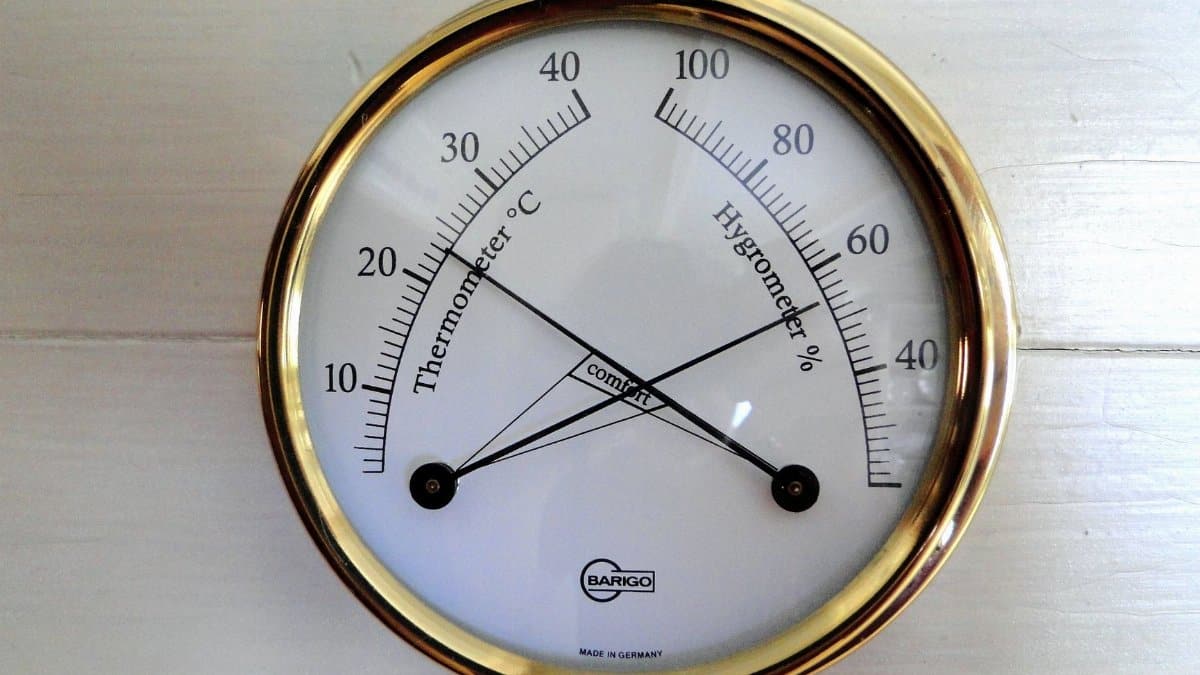
Meteorologists have noted steady increases in moisture content over recent days. This moisture prevents sweat from evaporating efficiently. As a result people may feel far hotter than thermometer readings suggest. Communities from the coast to inland valleys should prepare for prolonged periods of discomfort that limit outdoor activities.
Health Impacts on Everyday Routines

Medical experts warn that heat illness can strike without warning during sustained exposure. Symptoms often begin with fatigue and progress quickly if individuals fail to seek shade or hydration. Hospitals in urban centers already report upticks in visits tied to similar past events. Middle aged adults with preexisting conditions face heightened concerns during such stretches.
Urban Design and Heat Retention

City layouts in Boston amplify the effects through pavement and buildings that store warmth overnight. Neighborhoods with limited tree cover experience slower cooling after sunset. Planners have begun reviewing long term strategies to add green spaces that could moderate future spikes in temperature and humidity.
Regional Comparisons With Past Events

Records from earlier decades show fewer instances of combined heat and humidity reaching current projected peaks. Recent analyses indicate a shift toward more frequent stressful episodes. Residents who recall milder summers now confront a new baseline that demands adjusted expectations for summer months.
Guidance for Vulnerable Populations

Officials recommend checking on elderly neighbors and those without reliable air conditioning. Cooling centers will open in libraries and community halls across Massachusetts. Simple steps such as avoiding midday exertion and drinking water regularly can reduce individual risks substantially during the peak danger window.
Workplace Adjustments Under Stress

Employers in construction and agriculture have started shifting schedules to early morning or evening hours. Indoor facilities without climate control face added pressure to provide breaks and fluids. State agencies continue to issue reminders about worker protections during periods of elevated heat and humidity.
Agricultural and Infrastructure Strain
Farms report concerns over livestock welfare and crop stress when humidity remains elevated. Power grids also operate closer to capacity as air conditioning demand rises. Utility companies urge conservation measures to prevent outages that could compound difficulties for residents already coping with the conditions.
Looking Ahead to Adaptation Needs

Longer term planning now includes expanded public messaging about wet bulb thresholds and personal safety. Community groups seek funding for shade structures and updated building codes. These steps aim to build resilience against repeated episodes that scientists link to broader climate patterns observed in recent years.