
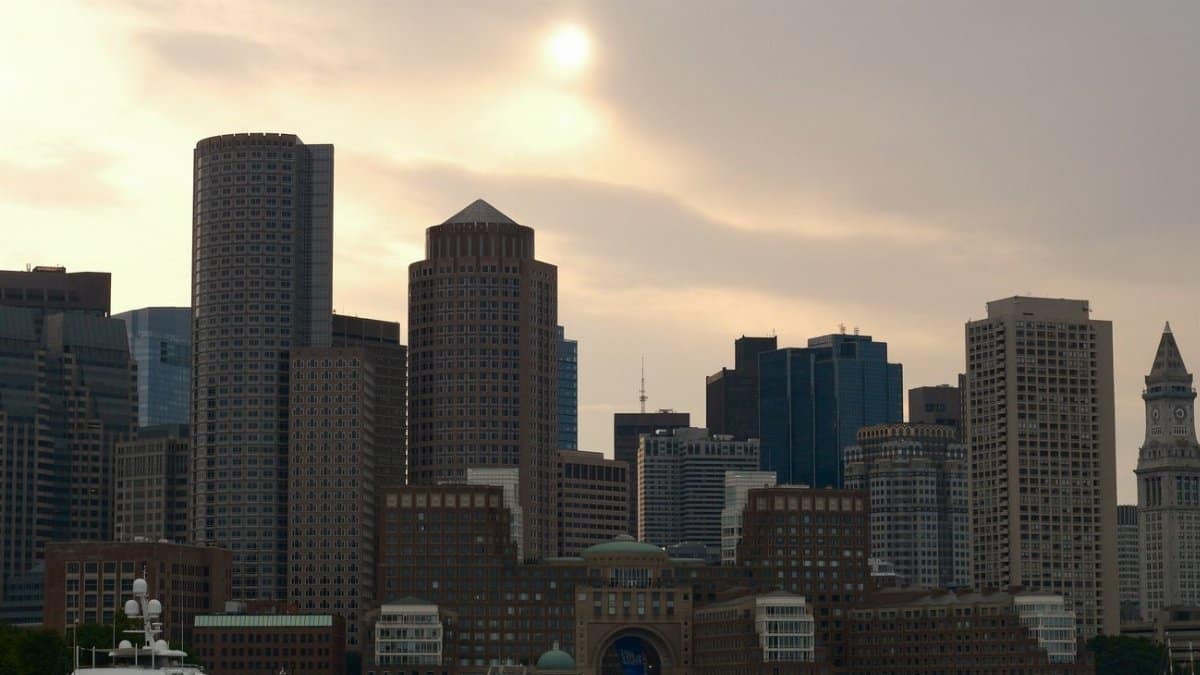
As the sun beats down on Boston Common and the Charles River shimmers with an unusual stillness, residents find themselves facing an intense combination of high temperatures and oppressive moisture. Forecasts point to a significant surge in discomfort that aligns with New England Heat Humidity Peak 2026, Boston Dangerous Heat Wave, Massachusetts Weather Alert. Families adjust daily routines while city officials monitor conditions closely, aware that prolonged exposure can strain even the healthiest individuals. Local hospitals report rising inquiries about heat related symptoms, and public spaces fill with people seeking shade during midday hours. This period marks a notable shift from typical early summer patterns, prompting renewed attention to safety measures that have proven effective in past events.
Health Risks Amplified by Prolonged Exposure

Medical professionals emphasize that extended periods of elevated heat and humidity place particular strain on the cardiovascular system. Older adults and those with preexisting conditions face elevated chances of dehydration and heat exhaustion. Hospitals in the greater Boston area have begun stocking additional supplies of intravenous fluids in anticipation of increased admissions. Public health messaging focuses on recognizing early signs such as dizziness and rapid heartbeat before they escalate.
Impact on Outdoor Workers and Daily Labor

Construction crews, landscapers, and delivery personnel encounter difficult choices when shifts extend into the warmest parts of the day. Employers have started adjusting schedules to begin earlier and end before peak intensity. Union representatives have called for mandatory rest breaks and access to cooled recovery areas. Some businesses report slower progress on projects as workers pause more frequently to hydrate.
Regional Forecasts and Timing Details
Meteorologists tracking atmospheric patterns describe a stalled high pressure system that traps moisture close to the surface. Afternoon readings are expected to climb steadily through the middle of the week before any relief arrives from the northwest. Models suggest the most challenging conditions will concentrate along the coast, where sea breezes offer limited cooling.
Local Government Response and Alerts
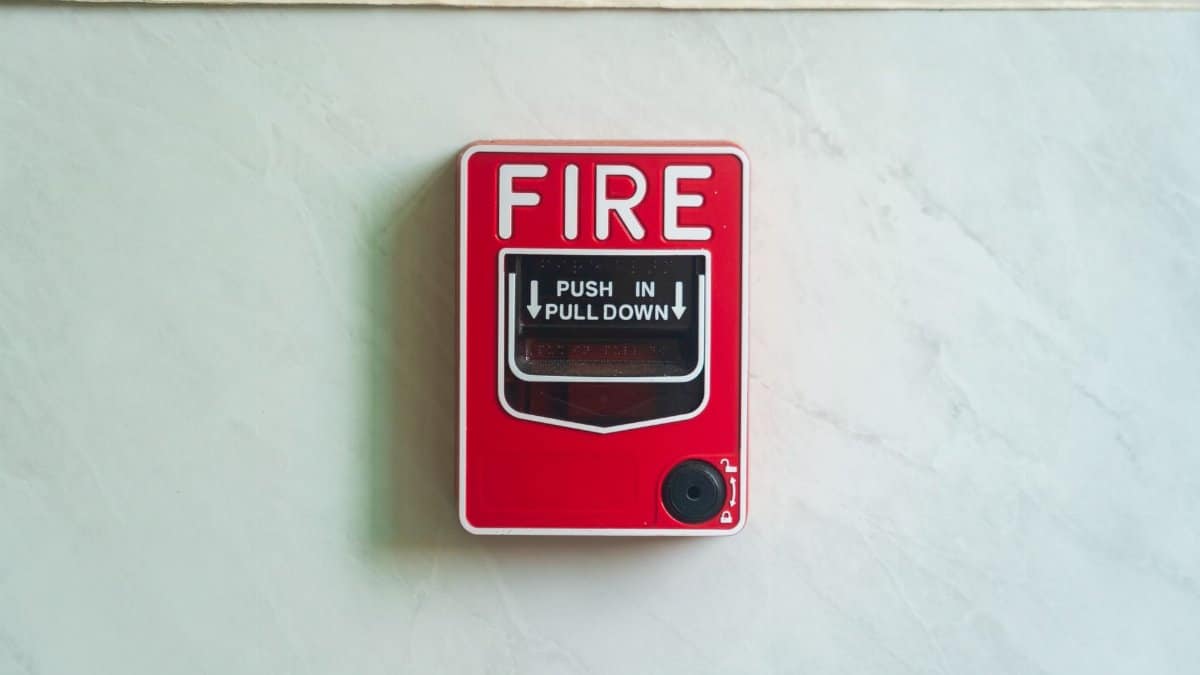
State agencies have activated emergency protocols that include opening additional cooling centers in community buildings. The Massachusetts Emergency Management Agency coordinates with municipal leaders to distribute bottled water in neighborhoods with limited access to air conditioning. Officials stress that these steps build on lessons learned from earlier heat events in the region.
Effects on Vulnerable Populations

Residents in older housing stock often lack adequate insulation or mechanical cooling, leaving them exposed during overnight hours when temperatures remain elevated. Social service organizations have expanded check in programs for homebound seniors. Community volunteers deliver fans and guidance on recognizing dangerous symptoms to those living alone.
Comparison With Historical Weather Patterns

Records from the past several decades show that stretches of combined heat and humidity have grown more frequent. Data collected at Logan International Airport indicate that the number of days exceeding certain heat index thresholds has risen noticeably since the 1990s. Researchers attribute part of the change to broader shifts in ocean temperatures and atmospheric circulation.
Economic Consequences for Businesses
Retail outlets selling cooling products report higher sales, while outdoor recreation venues see reduced attendance. Restaurants with limited indoor seating experience cancellations during lunch and dinner rushes. Insurance companies note an uptick in claims related to heat damage to infrastructure such as roads and rail lines.
Long Term Adaptation Strategies

Urban planners advocate for expanded tree cover and reflective roofing materials to reduce surface temperatures in dense neighborhoods. Pilot programs in several cities test misting stations in public parks. State legislators have discussed incentives for property owners who install energy efficient cooling systems that reduce strain on the electrical grid during peak demand.
Public Guidance on Personal Safety Measures
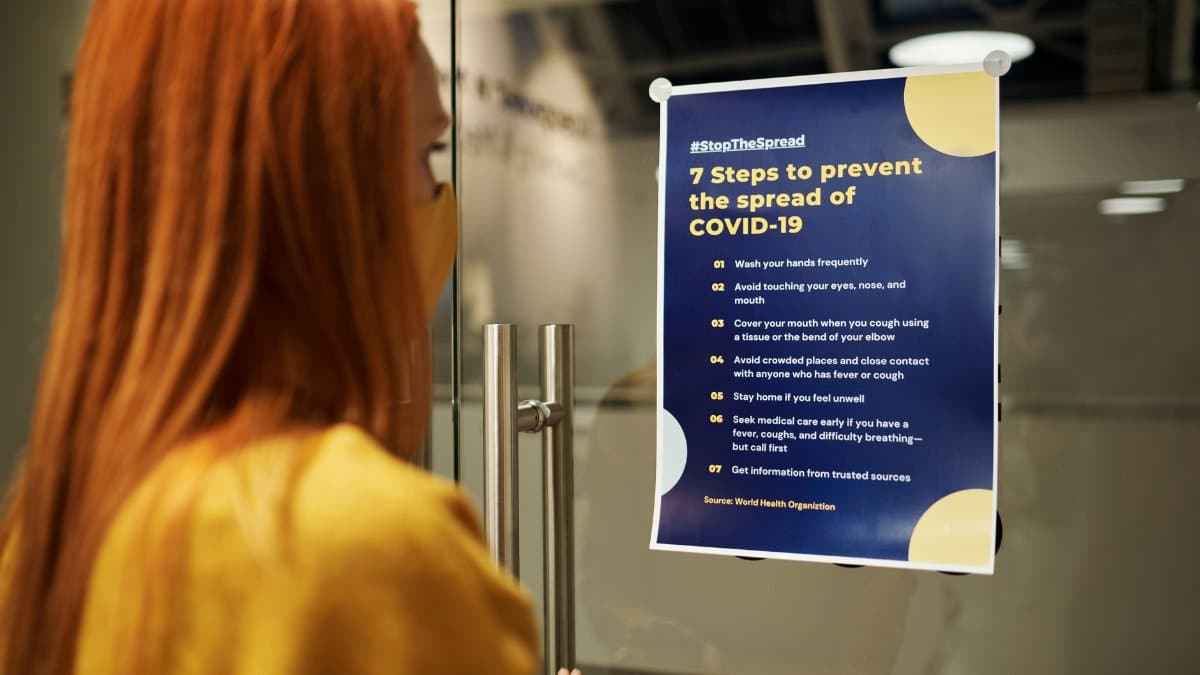
Health authorities recommend limiting strenuous activity to early morning or late evening hours. Wearing loose, light colored clothing and consuming water regularly, even without noticeable thirst, helps maintain hydration. Individuals are encouraged to check on neighbors who may be isolated during the warmest stretches.