
Voters in Anne Arundel County will soon confront a ballot question that could reshape labor relations for public employees by introducing Anne Arundel arbitration in contract talks. This measure raises questions about who holds the final say in negotiations and how taxpayer resources might be allocated in future disputes. As the election approaches, understanding the details becomes essential for informed participation in local governance. The proposal touches on core issues of fairness, authority, and fiscal responsibility that affect everyday services across the region.
The Origins of the Ballot Measure

The proposal emerged from ongoing tensions between county leadership and employee unions over pay and working conditions. Advocates argue that current negotiation processes leave workers without sufficient leverage when talks stall. County records show repeated impasses in recent years that delayed agreements and created uncertainty for essential services. The ballot language seeks to establish a formal mechanism for neutral third parties to settle differences once talks reach an impasse.
How Binding Arbitration Would Function

Under the plan an independent arbitrator would review evidence from both sides and issue a final decision on contract terms. This approach differs from the present system where county officials retain ultimate control over outcomes. Supporters say the change would bring greater consistency and reduce the risk of prolonged standoffs. Critics counter that it removes elected leaders from key choices about spending priorities.
Effects on County Budget Decisions

Binding arbitration carries direct implications for how funds are distributed each year. An arbitrator could approve wage increases or benefit adjustments that exceed what elected officials had planned. County finance reports already project tight margins in coming budgets due to rising costs in public safety and infrastructure. Observers note that such rulings might force adjustments in other areas like parks or libraries to balance the books.
Perspectives from County Employees

Many workers view the measure as a necessary step toward equitable treatment in a high cost area. Police officers, firefighters, and administrative staff have voiced concerns that stalled contracts affect morale and retention. Union representatives point to neighboring jurisdictions where arbitration has helped maintain staffing levels during economic shifts. They emphasize that stable agreements support reliable delivery of public services.
Arguments Raised by Opponents

Some residents and fiscal watchdogs express worry that the process could limit accountability. They argue that elected officials, not outside parties, should determine how public money is spent. Petitions circulated in recent months gathered signatures from those who prefer to keep authority with the county council. Public forums have featured lively exchanges about whether arbitration truly serves community interests over time.
Comparisons with Nearby Jurisdictions

Several Maryland counties already operate under arbitration rules for certain employee groups. Baltimore City adopted a similar framework years ago and has seen both resolved contracts and occasional large awards. Howard County maintains a hybrid model that preserves some local oversight. These examples offer Anne Arundel residents data points as they weigh the current proposal.
Voter Information and Turnout Factors

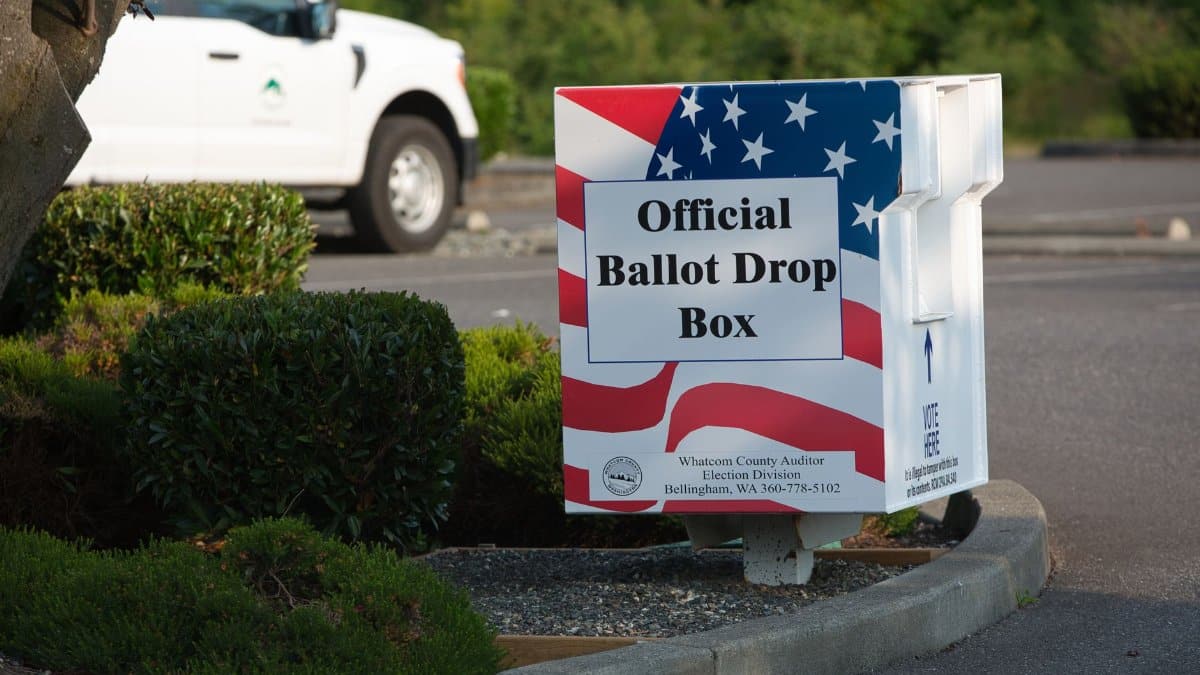
The question will appear on ballots this fall alongside races for county executive and council seats. Election officials expect moderate turnout typical of off year voting. Materials mailed to households outline the measure in plain language while campaign groups prepare digital outreach. Local media coverage has increased as residents seek clarity on the potential consequences.
Broader Implications for Public Services

Should the measure pass, arbitration decisions could influence everything from emergency response times to permitting processes. Stable contracts often support consistent staffing in critical departments. Yet unexpected awards might require reallocation of resources that had been earmarked for capital projects. Community leaders stress the need to monitor outcomes closely in the first years after implementation.
Looking Ahead to Possible Outcomes

Whatever the result, the vote will shape labor relations in Anne Arundel County for years ahead. A yes outcome would mark a notable shift in how disputes are settled. A no vote would preserve existing structures and leave room for future discussions. Either path underscores the importance of local elections in determining everyday governance.