
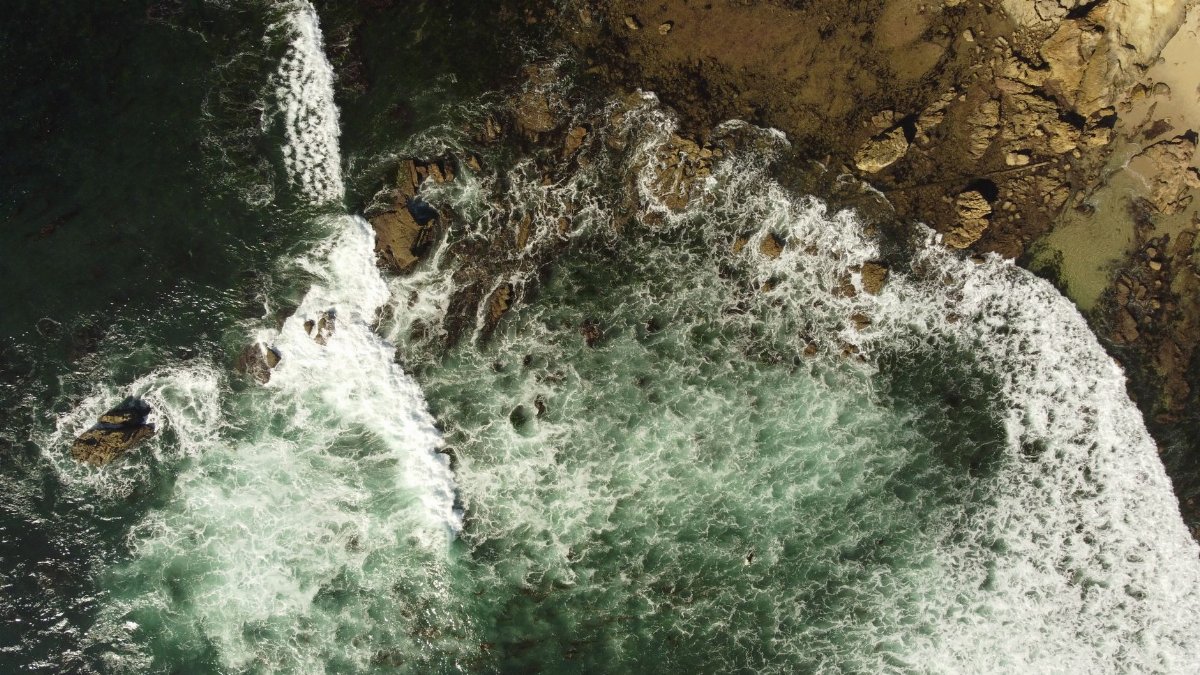
In recent weeks regulators along the California coast delivered a clear message to energy firms seeking to revive old extraction methods in the Santa Barbara Channel. The unanimous vote against resuming operations at an aging offshore platform reflects deep worries over marine life and water quality in a region still recovering from past spills. With federal pressure mounting from the current administration the decision adds fresh momentum to conversations about an offshore fracking ban that could reshape how the state manages its shoreline resources for decades ahead. Local advocates see the outcome as a victory for precaution while industry voices warn of lost opportunities in domestic production.
Details Behind the Platform Gilda Proposal

The plan involved restarting hydraulic fracturing at a platform installed decades ago in federal waters near Ventura County. Officials reviewed requests to extend permits that had lapsed after earlier pauses in activity. Commission members cited risks of chemical leaks and seismic activity in their deliberations. Testimony from scientists emphasized gaps in monitoring technology for subsurface flows beneath the seabed. The rejection came after months of public comment sessions that drew hundreds of participants.
Role of the California Coastal Commission
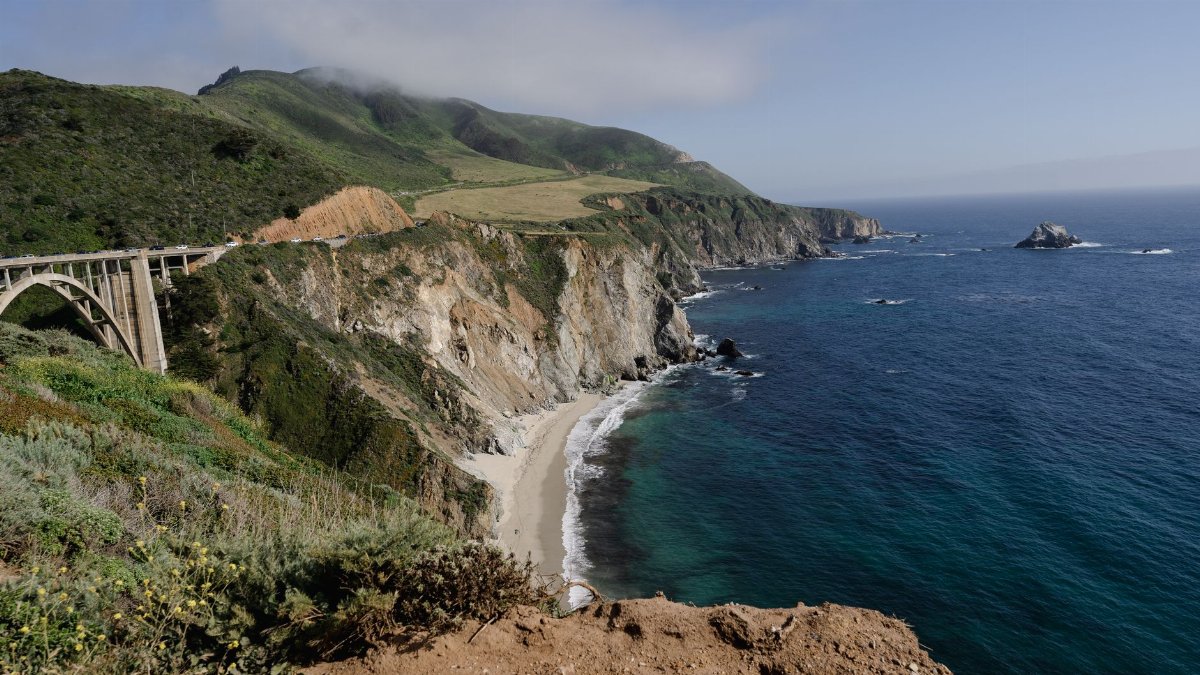
This state body holds authority over projects that touch the shoreline and adjacent waters. Its members weighed factors including habitat protection and consistency with broader coastal plans. The vote signals a continued commitment to limits first established in the nineteen seventies following major oil incidents. Staff reports noted that any restart would require new environmental reviews under current standards. Such reviews often extend timelines and raise costs for operators.
Marine Ecosystem Vulnerabilities in Focus

The Santa Barbara Channel supports diverse populations of whales dolphins and seabirds that migrate through the area seasonally. Studies from independent research groups link certain extraction techniques to underwater noise that disrupts feeding patterns. Water column sampling has also revealed traces of additives used in fracturing fluids that persist longer than expected in cold deep conditions. These findings contributed to the commission view that additional activity poses avoidable threats.
Community Voices from Nearby Shores
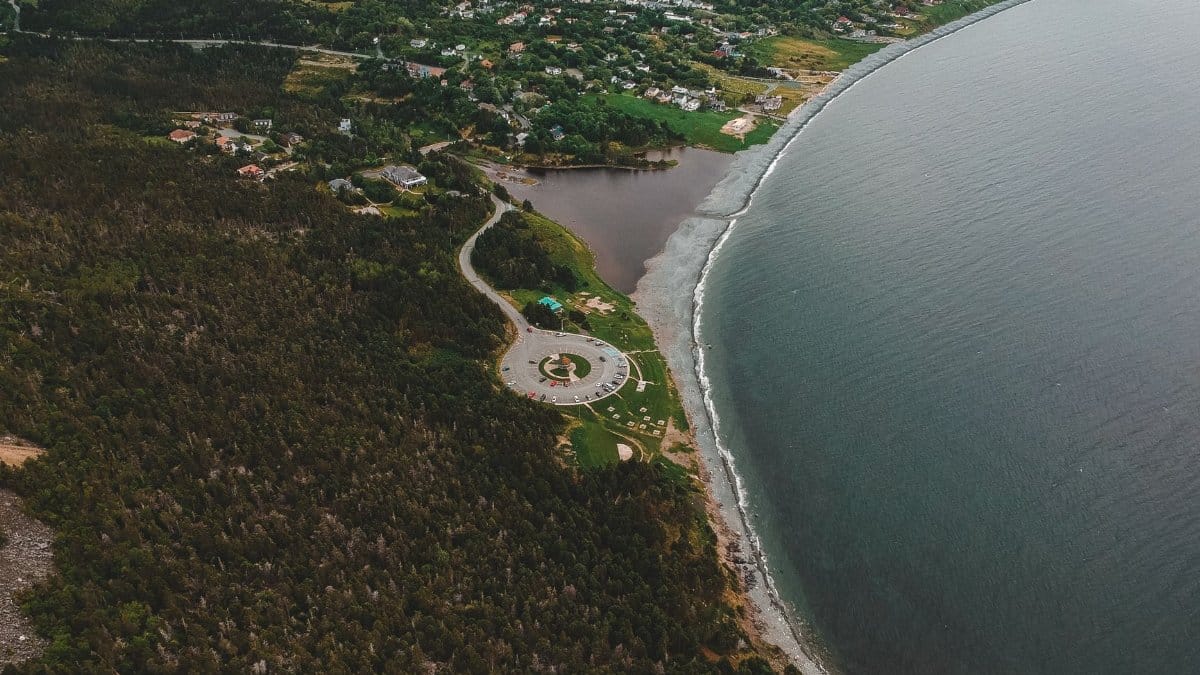
Residents in Ventura and Santa Barbara counties expressed relief at the outcome during follow up meetings. Many recalled the 1969 oil spill that coated beaches and damaged fisheries for years. Fishermen described ongoing concerns about gear entanglement and catch quality near active sites. Tourism operators noted that clean waters support a steady visitor economy that employs more people than extraction jobs in the same region.
National Context and Federal State Tensions
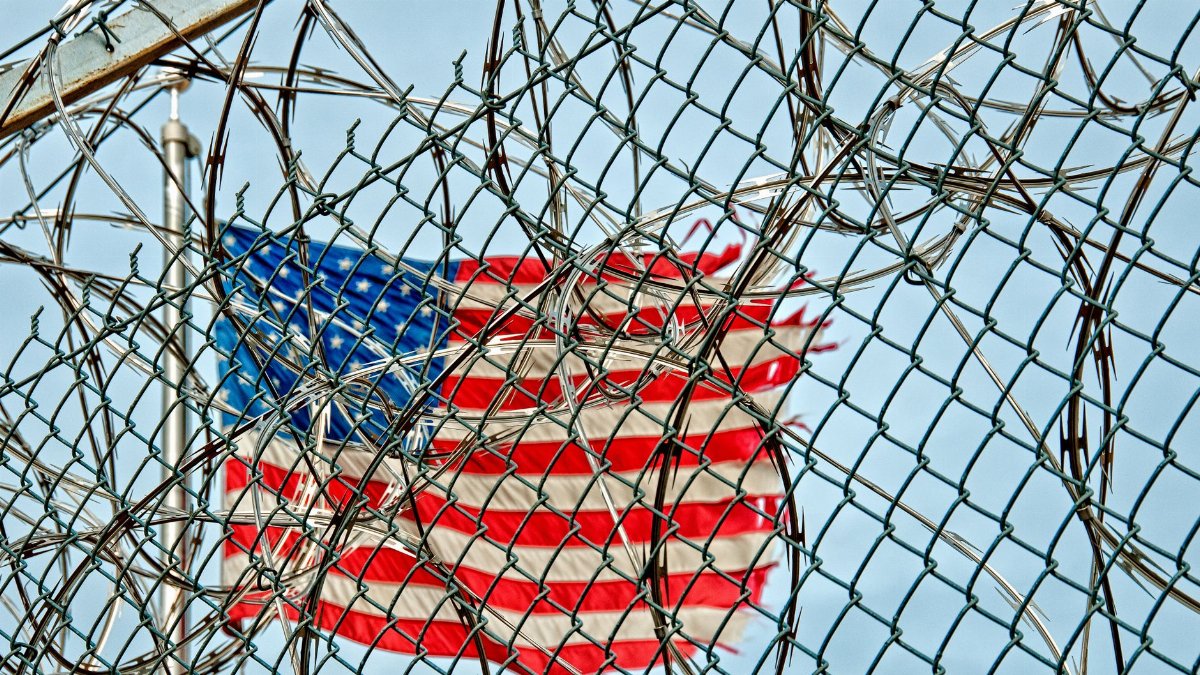
The California action occurs against a backdrop of shifting federal leasing policies that favor expanded drilling on the outer continental shelf. State leaders have pushed back through lawsuits and regulatory barriers. An offshore fracking ban at the state level could serve as a model for other coastal areas facing similar requests. Analysts point out that court battles over jurisdiction remain likely if operators appeal the latest ruling.
Ethical Dimensions of Resource Extraction

Beyond technical assessments the debate touches on questions of intergenerational responsibility toward shared natural assets. Religious and community groups have framed preservation of ocean spaces as a moral duty rather than solely an economic calculation. This perspective aligns with the category of spiritual news and trends by highlighting how policy choices reflect values about stewardship and restraint in the face of energy demands.
Future Pathways for Energy Planning
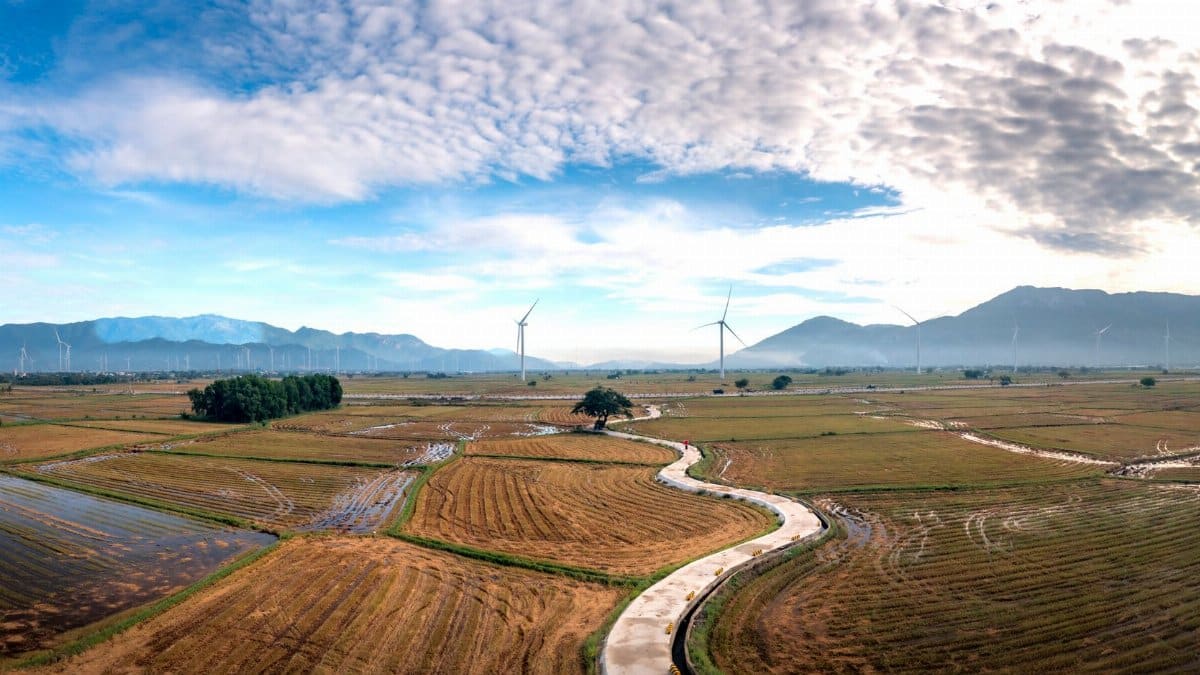
Lawmakers in Sacramento are considering measures that would formalize restrictions on similar techniques in state controlled waters. Transition funding for workers in related industries appears in some draft proposals. Meanwhile advances in renewable sources such as offshore wind offer alternative paths that avoid subsurface injection methods altogether. The recent commission decision may accelerate those shifts by clarifying boundaries for conventional approaches.