
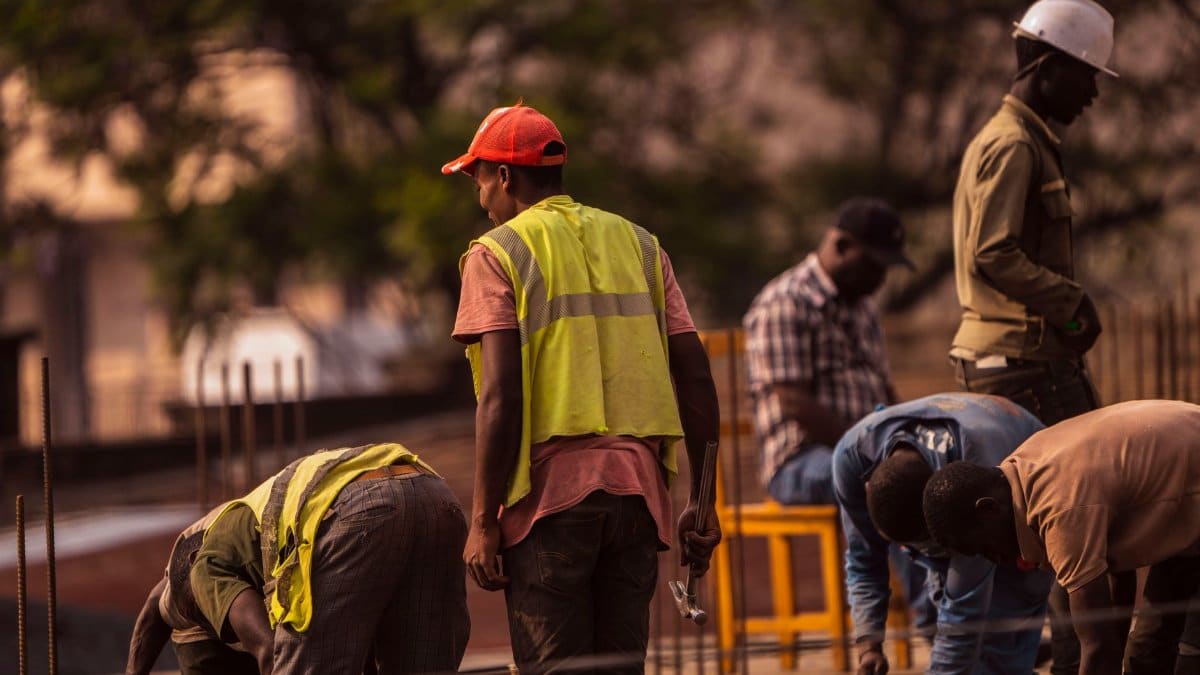
Recent data from government statisticians reveals a curious trend where official jobless figures improved in June 2026 mainly because fewer people remained engaged in employment searches. Rather than signaling stronger hiring the shift reflects a shrinking workforce that raises questions about long term economic health and the choices individuals make when opportunities seem limited.
Demographic Changes Drive Labor Shortages
An aging population plays a central role as waves of older workers reach retirement age and step back from active roles. Birth rates have stayed low for decades leaving fewer young adults to fill positions in factories offices and service industries. This imbalance creates persistent gaps that employers struggle to close through traditional recruitment.
Policy Decisions Influence Participation Rates

Government programs around benefits and taxes can either encourage or discourage people from staying in the labor market. Expanded support during recent years allowed some to exit without immediate hardship while others weighed health risks or family needs against returning to work. Analysts note these choices accumulate into measurable drops in overall workforce size.
Regional Variations Reveal Uneven Impacts

Rural areas often face sharper declines as younger residents migrate toward cities for education and careers. Urban centers meanwhile attract talent yet still contend with mismatches between available skills and job requirements in growing sectors like technology and health care. Local economies adapt at different speeds based on these flows.
Automation Alters Demand for Human Workers
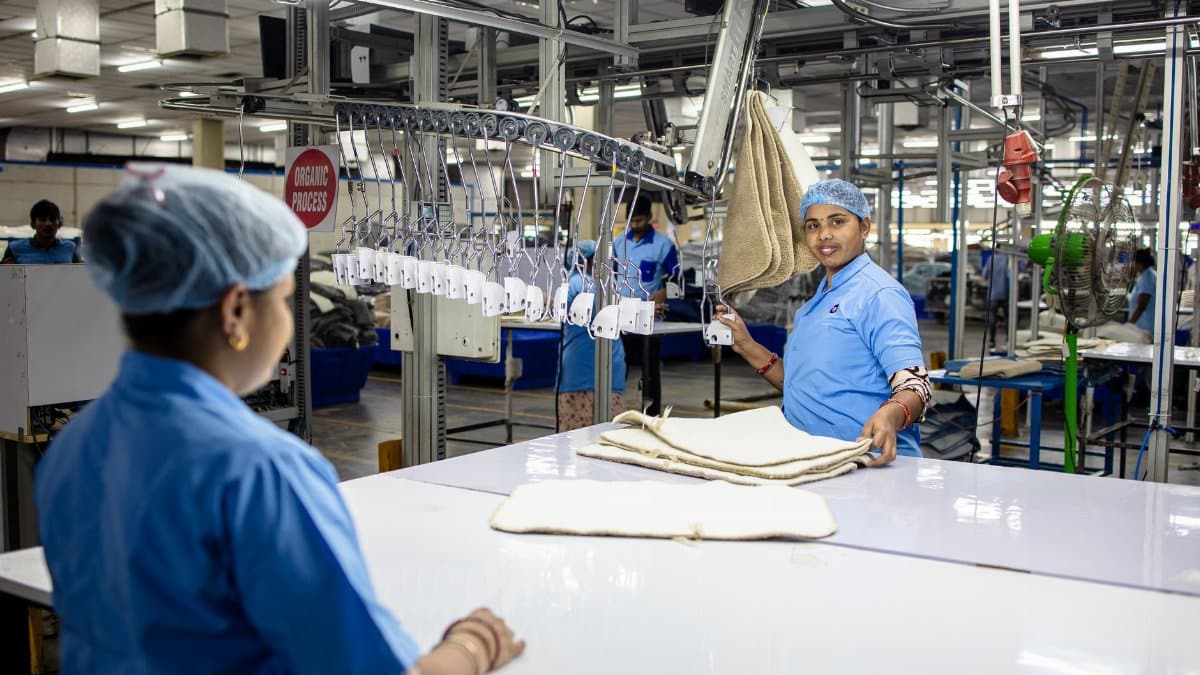
Machines and software now handle tasks once performed by large teams reducing the need for certain roles in manufacturing and administration. Companies adopt these tools to maintain output amid labor constraints though the transition leaves some workers needing new training or facing prolonged periods without suitable positions.
Immigration Patterns Affect Workforce Numbers

Legal inflows of skilled and unskilled labor have slowed at times due to regulatory hurdles and global events. Without steady additions from abroad the domestic pool shrinks further especially in agriculture construction and hospitality where native born applicants prove harder to attract.
Health and Well Being Shape Career Choices

Chronic conditions and mental health considerations lead more people to reevaluate full time commitments. Post pandemic awareness prompted many to prioritize flexibility or exit demanding environments altogether. Employers respond with remote options yet not all industries can accommodate such arrangements easily.
Economic Signals Point to Slower Growth

A smaller pool of active workers can constrain production capacity and innovation over time. Businesses report difficulty expanding operations while consumers face higher costs from supply limitations. These dynamics feed into broader forecasts that temper expectations for robust expansion in coming years.
Community Responses Offer Adaptive Paths

Local initiatives focus on retraining programs and partnerships between schools and employers to prepare residents for evolving job markets. Faith based groups and civic organizations sometimes step in with support networks that help individuals rediscover purpose through meaningful activity even outside traditional employment structures.
Future Outlook Calls for Thoughtful Planning

Projections suggest the shrinking workforce will persist without coordinated efforts on education immigration and technology integration. Leaders across sectors must weigh tradeoffs carefully to sustain prosperity while respecting personal decisions about work and life balance.