

In an era when public health commands attention from every corner of American life the announcement that trump nominates erica schwartz for director of the Centers for Disease Control and Prevention lands with unusual resonance. Many middle aged readers still carry vivid memories of empty school hallways masked faces at grocery stores and the quiet anxiety that settled over family dinners during the peak of the pandemic. Schwartz arrives not as a distant bureaucrat but as a physician who has already served at the highest levels of federal health leadership. Her selection invites a measured look at how expertise forged in crisis might shape the next chapter of national preparedness. Rather than fueling fresh partisan flames this moment calls for examination of the human stakes involved when institutions designed to protect us face both political pressure and evolving biological threats. The choice reflects deeper currents about trust competence and the values that guide decisions affecting millions of lives each day.
Erica Schwartz Career Built on Service

Erica Schwartz spent decades working within the Public Health Service Commissioned Corps rising to the rank of rear admiral and serving as deputy surgeon general. Those who have collaborated with her describe a professional grounded in clinical practice and administrative discipline. Before her federal appointments she focused on emergency medicine and public health preparedness at state and local levels. This background offers a contrast to nominees who arrive with primarily political credentials. Schwartz has navigated real world outbreaks and preparedness drills that tested both systems and people. Her approach tends toward quiet competence rather than public confrontation. For an agency that has endured sharp criticism in recent years such steadiness may prove valuable. The path that led to this nomination reveals a consistent thread of commitment to evidence based practice while acknowledging the practical limits of what government can achieve alone.
Political Context Shaping the Nomination

The decision comes at a pivotal transition for the country. President Trump has signaled a desire to restore what he calls practical leadership to federal health agencies. In that framework the selection of Schwartz aligns with an emphasis on experienced medical professionals who have previously worked within administrations of both parties. Political observers note that the nomination avoids some of the more controversial names floated in conservative circles. Instead it presents a figure who can potentially bridge divides between career scientists and elected officials. Congressional reaction has been mixed with some Democrats praising her public health record while expressing concern about potential policy shifts on topics ranging from vaccine communication to chronic disease prevention. Republicans have largely welcomed the choice as a return to focused mission oriented leadership at the CDC. The coming confirmation hearings will likely test whether Schwartz can maintain credibility across these competing expectations.
Challenges Waiting at the CDC

The agency Schwartz may soon lead faces serious strains. Chronic underfunding in certain program areas has left gaps in surveillance systems. Public trust has eroded among significant portions of the population making even routine health recommendations difficult to implement. Emerging infectious diseases continue to appear with increasing frequency while antimicrobial resistance grows more threatening. At the same time the CDC must address the ongoing epidemic of chronic conditions that shorten lives and burden families emotionally and financially. Schwartz has spoken in previous roles about the need for clearer communication that respects public skepticism without compromising scientific integrity. Her task would involve rebuilding internal morale while simultaneously demonstrating to Congress that the agency deserves sustained support. These demands require both technical knowledge and political acumen of a high order.
Faith Communities and Public Health
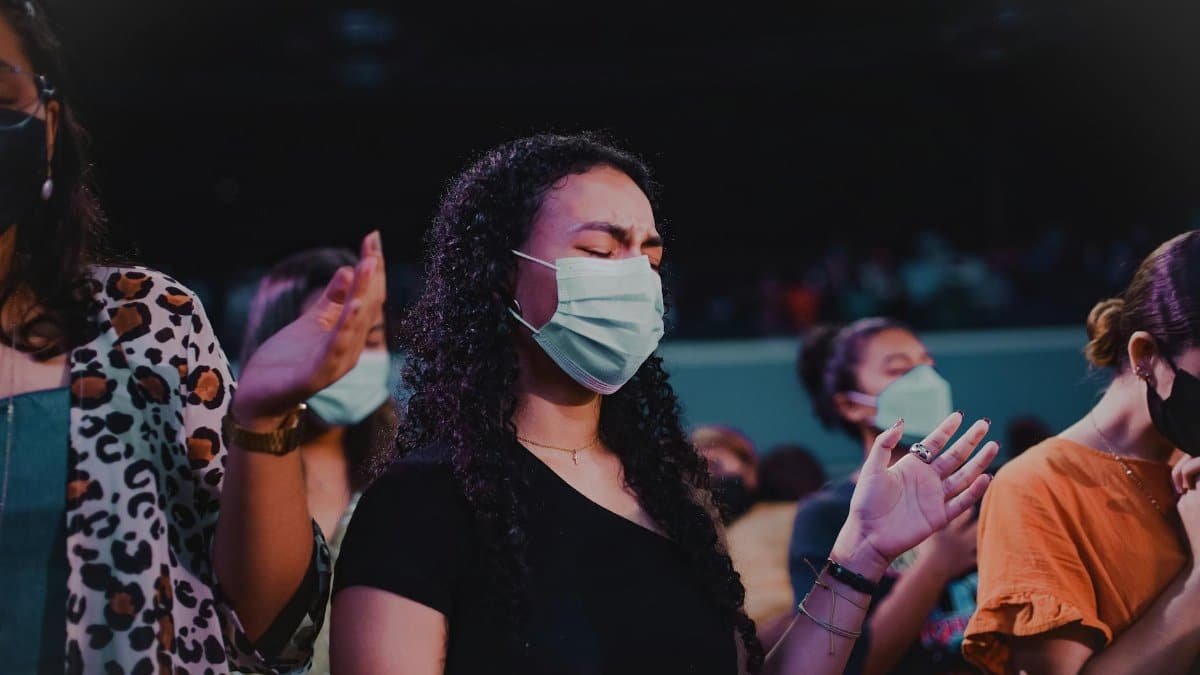
Religious leaders across traditions have begun weighing in on what this nomination might mean for congregations and spiritual life. Many pastors and rabbis recall how their communities became frontline responders during the height of COVID providing food pantry services grief counseling and makeshift medical advice. Some see in Schwartz a potential partner who understands that health decisions often carry moral and spiritual weight. Others worry that any perceived politicization of the CDC could further fracture relationships between faith groups and scientific institutions. Trends among middle aged Americans show increasing interest in holistic approaches that integrate physical health with spiritual wellbeing. If confirmed Schwartz would need to navigate these expectations with sensitivity. Several interfaith coalitions have issued statements calling for the nominee to prioritize transparent dialogue with religious health networks that serve vulnerable populations.
Restoring Trust Through Transparent Leadership

Public confidence in health institutions reached historic lows in recent years. Polls conducted by independent research organizations suggest that only about half of American adults now express strong trust in the CDC. Rebuilding that foundation represents one of the more urgent tasks before any new director. Schwartz has advocated in past testimony for clearer explanations of scientific uncertainty rather than absolute pronouncements that later require revision. This stance resonates with many middle aged readers who felt talked down to during earlier phases of the pandemic. Her experience as deputy surgeon general exposed her to the complexities of translating technical data into guidance that ordinary families can use. Success will depend on whether she can foster a culture within the agency that values humility alongside expertise. The spiritual dimension of this work lies in its capacity to restore a sense of shared purpose and mutual care across divided communities.
Potential Policy Directions Under Schwartz

Those familiar with her previous work anticipate emphasis on several priority areas. Improved coordination between federal state and local health departments stands high on the list. Schwartz has also shown interest in addressing the social determinants of health without losing focus on core infectious disease responsibilities. Observers expect careful review of how the CDC communicates about vaccines and treatments with particular attention to parental concerns. On chronic disease the agency may explore stronger partnerships with community organizations including faith based groups that already provide wellness programs. Any shifts would need to balance innovation with fiscal responsibility given current budget constraints. The nomination process itself has prompted renewed discussion about the proper role of the CDC in an era when health issues inevitably intersect with cultural and political disagreements.
Voices From the Medical Establishment

Professional organizations have responded to the news with cautious optimism. The American Medical Association noted Schwartz extensive clinical background and called for swift confirmation so the agency can maintain continuity in its vital work. Several former CDC directors from both parties have offered measured endorsements highlighting her ability to manage large teams under pressure. At the same time some younger physicians active on social media have expressed concern that the nomination reflects a broader effort to constrain scientific independence. These competing perspectives illustrate the difficulty of leading an institution that must serve as both impartial authority and responsive public servant. Schwartz would enter the role aware that every decision will face intense scrutiny from medical journals advocacy groups and ordinary citizens alike.
Impact on American Families and Daily Life

For middle aged Americans raising children caring for aging parents or managing their own health conditions the stakes feel immediate. A CDC that effectively tracks emerging threats and communicates clearly can mean the difference between calm preparedness and sudden disruption. Families living in rural areas often depend on CDC guidance that reaches their local clinics. Working parents remember the chaos of school closures and hope future recommendations will better account for economic realities. The spiritual dimension surfaces here as well. Many find strength in the belief that society should protect the vulnerable. Effective public health leadership can reinforce that communal ethic. Schwartz nomination therefore carries meaning beyond Washington. It touches the kitchens and living rooms where Americans make daily decisions about safety and responsibility.
Broader Questions of National Resilience

This moment invites reflection on what kind of nation we aspire to become. Public health has always been more than a technical enterprise. It reflects our collective commitment to human dignity and future generations. In that sense the leadership chosen for the CDC holds symbolic importance. Schwartz brings a record that suggests pragmatic idealism tempered by administrative experience. Whether that combination proves sufficient will unfold over the coming years. The confirmation process itself offers an opportunity for substantive debate about priorities and principles. Americans of all backgrounds share a fundamental interest in systems that function effectively when needed most. The spiritual health of the country may well depend in part on our ability to sustain institutions that transcend momentary political winds.
Looking Forward With Cautious Hope

As the Senate prepares to consider the nomination citizens would do well to move past reflexive celebration or condemnation. The challenges before the CDC demand serious attention and sustained commitment regardless of who occupies the directors office. Erica Schwartz appears prepared to engage those challenges with diligence and respect for both data and democracy. Her ultimate success or failure will reveal much about our capacity for renewal at a time when renewal feels urgently needed. For middle aged Americans who have seen enough disruption to last a lifetime the hope remains that competent leadership grounded in service can help restore confidence in our shared institutions. The coming months will test whether that hope finds substance in practice.
The phrase trump nominates erica schwartz has generated discussion in policy circles and family conversations alike. Supporters believe this represents a return to sensible governance while skeptics await concrete evidence of how the agency will evolve. What remains clear is that public health touches every dimension of national life including the spiritual search for security and meaning in an unpredictable world. Schwartz if confirmed will face the task of leading with both scientific rigor and human empathy. The country will be watching closely to see whether this choice marks a genuine step toward greater resilience and trust.