
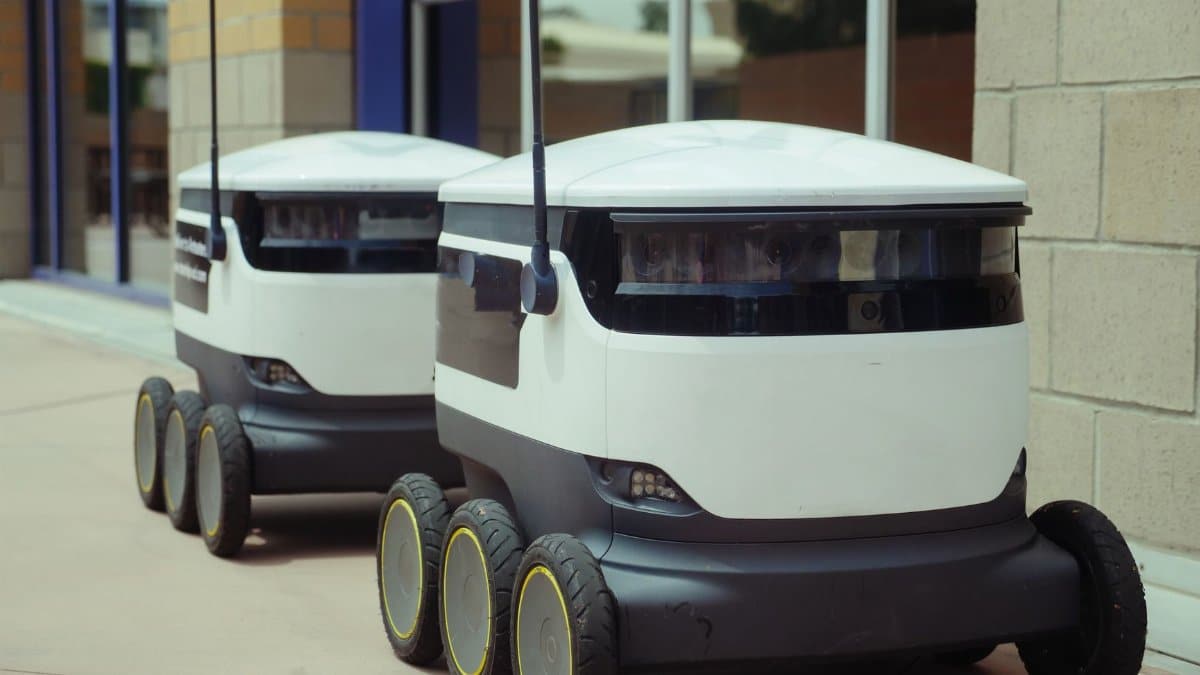
In recent years the technology sector has witnessed a steady migration of specialized divisions into concentrated urban zones where collaboration flows more freely than in isolated campuses. Amazon Robotics SF Lease AI fits squarely into this pattern as the company advances toward a substantial commitment of space inside San Francisco’s emerging cluster of artificial intelligence enterprises. Observers note that such decisions often reflect deeper calculations about talent access, regulatory environments, and the desire to embed robotics research within a broader ecosystem already rich in software and data expertise. The proposed footprint, reported near two hundred fifty thousand square feet, would place Amazon alongside startups and established labs already reshaping the city’s southeastern corridors.
Understanding the Scale of the Proposed Commitment
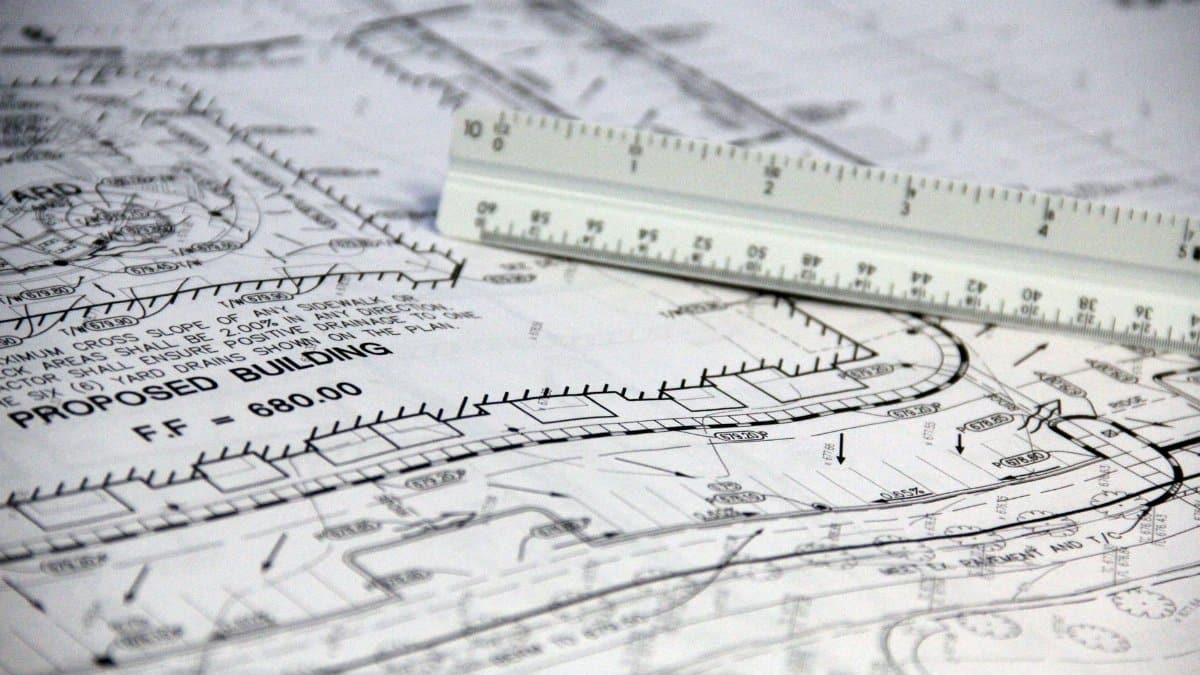
The size under discussion marks one of the larger single floor plates negotiated in the city over the past two years. Brokers familiar with the transaction describe multiple floors that could accommodate both hardware testing bays and open office areas designed for rapid iteration. This configuration allows teams to move prototypes from bench to simulated warehouse environments without leaving the building. Local planning records indicate that the structure already contains reinforced slabs capable of supporting heavy equipment, reducing the need for costly retrofits.
How Location Choices Shape Robotics Development
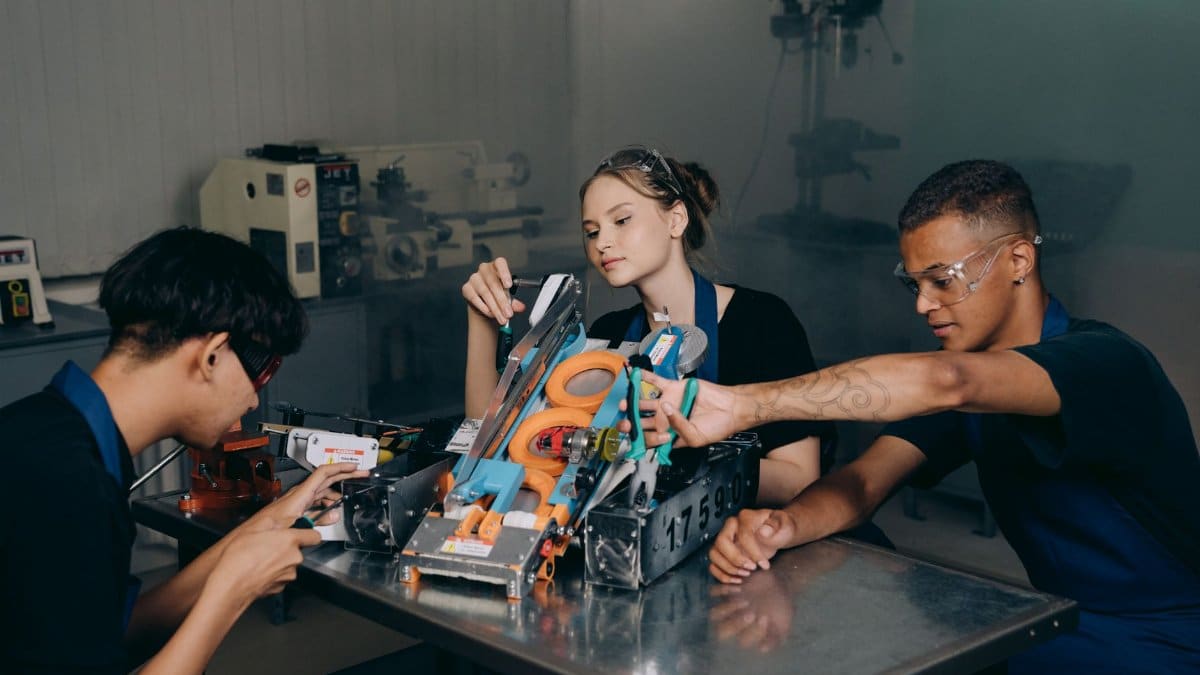
Proximity to universities and venture offices matters because robotics projects frequently require quick consultations with machine learning specialists and sensor designers. By anchoring a major presence inside the city rather than on the peninsula, Amazon gains daily access to graduates from several engineering programs. The same geography shortens travel time to potential partners who specialize in computer vision or edge computing. Such adjacency can compress development cycles that once stretched across months of coordination.
Market Conditions Influencing Lease Negotiations

San Francisco commercial vacancy rates remain elevated compared with pre pandemic levels, giving tenants leverage on pricing and tenant improvement allowances. Amazon appears to have capitalized on this window by securing concessions that include extended free rent periods and contributions toward build out of specialized labs. Landlords, eager to secure a credit tenant for the long term, have shown willingness to customize spaces that might otherwise sit empty. These dynamics illustrate how broader economic softness can accelerate strategic real estate moves for well capitalized divisions.
Workforce Implications for the Region
A lease of this magnitude typically translates into several hundred new positions over time, ranging from mechanical engineers to operations staff. City officials have expressed cautious optimism that the influx could support local retail corridors still recovering from reduced office attendance. Training partnerships with community colleges are already under discussion to prepare residents for roles that blend traditional maintenance skills with basic programming. Such programs aim to widen the pipeline beyond the usual computer science graduates.
Comparison With Earlier Amazon Facility Strategies
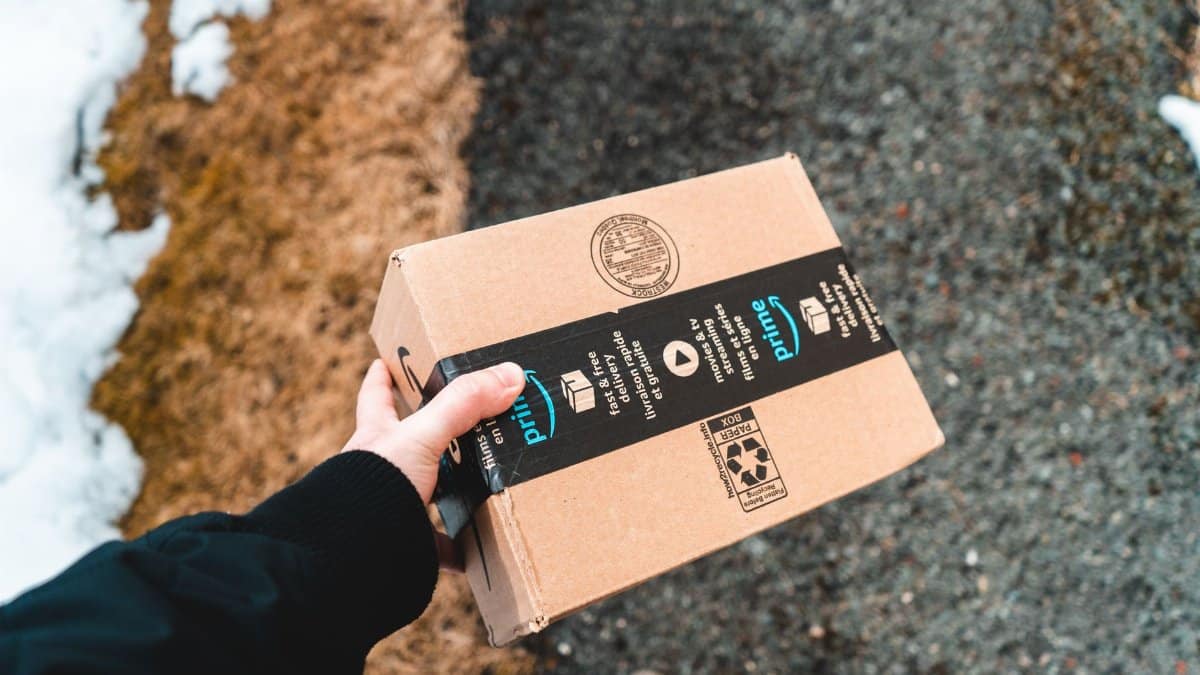
Previous expansions by the parent company often favored suburban or exurban sites where land costs permitted expansive fulfillment centers. The current approach signals a deliberate pivot toward dense, mixed use districts where research rather than logistics dominates. Similar patterns appear in other divisions exploring modest footprints near academic anchors. This evolution suggests that robotics research, unlike package sorting, benefits from the informal exchanges that occur in walkable neighborhoods.
Regulatory and Infrastructure Considerations

City permitting processes for laboratory space involve reviews for vibration control, power redundancy, and hazardous material handling. Amazon teams have already begun preliminary conversations with planning staff to map these requirements. Upgrades to electrical substations may prove necessary if the facility incorporates large scale simulation rigs. Early engagement reduces the risk that construction timelines slip behind product road maps.
Broader Trends in Artificial Intelligence Real Estate

Across multiple metros, AI focused groups are clustering in former light industrial zones that offer both character and flexible floor plates. San Francisco’s southeastern neighborhoods follow this template, blending historic warehouses with new construction. Investors have taken note, bidding up assets that can be repositioned for technology users. The result is a self reinforcing cycle in which amenities follow tenants and tenants follow amenities.
Potential Effects on Neighborhood Character
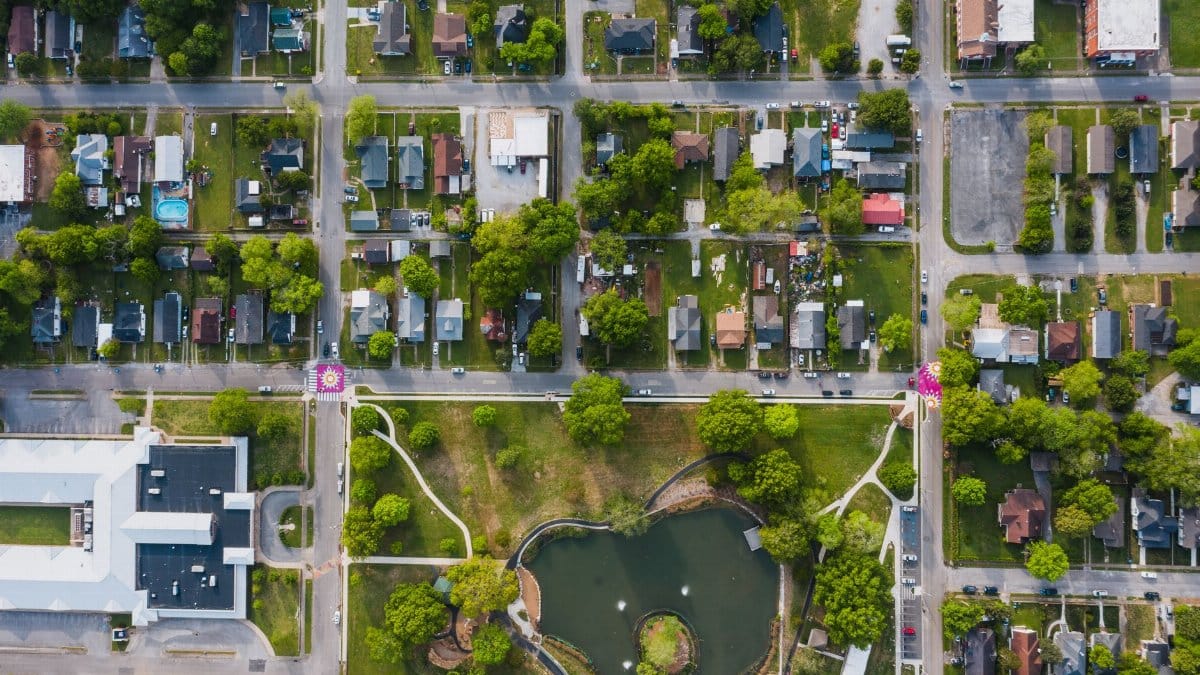
Residents near the prospective site have voiced mixed reactions, welcoming job growth while expressing concern over increased traffic during peak hours. Community benefit agreements under discussion include contributions to public transit improvements and open space enhancements. These negotiations reflect a wider effort to balance corporate expansion with livability standards that have defined the city for decades.
Looking Ahead to Integration Within the AI District
Once operational, the facility could serve as a node connecting Amazon research with neighboring institutions through shared events and joint projects. The physical presence alone may encourage informal networks that digital communication cannot fully replicate. Over time such concentration tends to attract suppliers and service firms, further densifying the ecosystem. The lease, if completed, would therefore function as both a corporate asset and a catalyst for continued district evolution.