
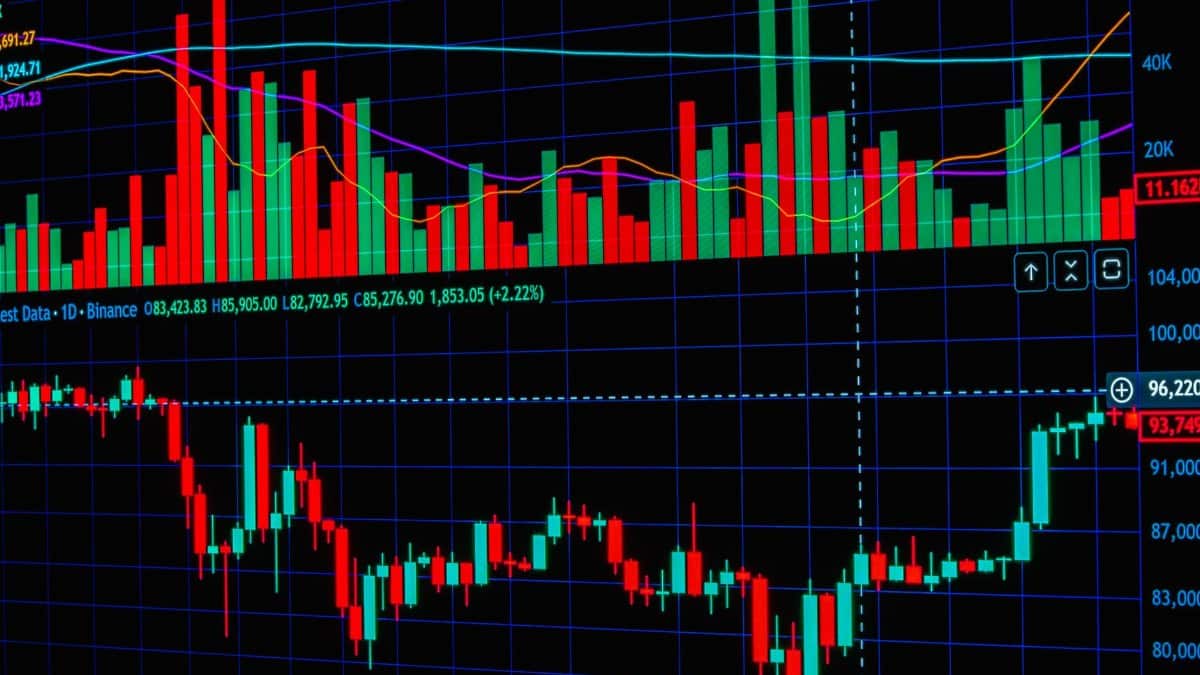
By late Friday the trading floor had lost the brittle edge it carried all week. Screens that had bled red for days began to fill with modest green, and the talk shifted from damage control to whether the worst of the slide was done. In that quieter hour, AI stocks rebound became the phrase that captured a session Wall Street had been waiting for, as buyers returned to names tied to chips, cloud computing, and the vast buildout of computing power.
A Friday that changed the tone of the week

The bounce did not erase the bruises. It did something more modest and, for many investors, more useful. It interrupted a worldwide rush for the exits and let the major American indexes trim what had looked like a punishing weekly loss. The S&P 500 and the Nasdaq, both heavy with technology, finished the week lower than they began it, but not by the margin that Tuesday and Wednesday had threatened.
Traders described the session as a relief rally rather than a new bull market. Volume was solid without being frantic. Bargain hunters appeared in the same stocks that momentum sellers had abandoned. The mood was closer to exhaustion than euphoria, which is often how durable turns begin.
What the midterms put on the table

The political backdrop mattered as much as any earnings whisper. Democratic gains in midterm contests left investors asking whether the extraordinary pace of data center construction would meet a cooler reception in statehouses and in Washington. Power plants, transmission lines, water use, and local tax deals had already drawn protests. A shifted balance of power made those fights feel less theoretical.
Markets do not vote, but they price the chance that rules will change. A project that looked inevitable under one set of incentives can look optional under another. That is the calculation that rippled through suppliers of servers, electrical gear, and the land beneath new campuses.
Why server farms became a political question

For two years the data center was treated on Wall Street as a pure growth story. Communities saw something else: night time noise, strained grids, and promises of jobs that did not always match the headcount of a highly automated hall. When campaigns started talking about those tradeoffs, the sector stopped being invisible infrastructure and became a subject of ordinary politics.
Investors who had modeled endless demand suddenly had to model delay. A permit that slips by a year is not a collapse. It is a change in the timing of cash flows, and timing is what stock prices argue about every day. Friday’s buying suggested that some of that fear had been priced too quickly, not that the political question had vanished.
The chip makers and the landlords of the cloud
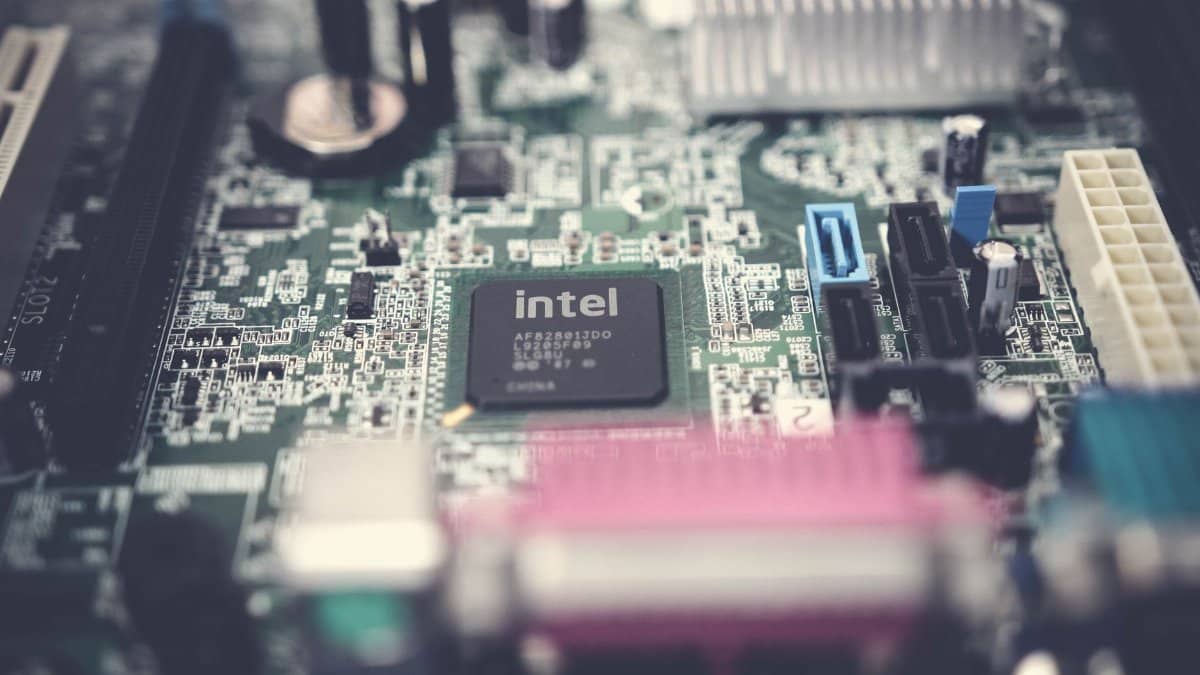
The rebound was broad inside the artificial intelligence complex, but it was not uniform. Designers of advanced processors drew the first bids, because any pause in building still leaves a huge installed base that needs replacement and upgrade. Owners of cloud capacity followed, on the view that customers will keep renting computing power even if new halls open more slowly.
Software firms that sell tools for training and running models participated with less drama. Their revenues depend on usage more than on the ribbon cutting of a new campus. That distinction, easy to ignore in a mania, returned as a sorting mechanism once the selling cooled.
How indexes trimmed a weekly loss

Index math is unsentimental. A handful of very large technology companies can move the S&P 500 by themselves. When those shares stopped falling and turned higher, the benchmark’s weekly deficit shrank even if most of the market was merely flat. The Nasdaq, more concentrated in the same theme, showed the effect more clearly.
For households who check a retirement account on Sunday night, the difference between a harsh week and a merely bad one is not academic. It is the difference between panic and patience. Friday did not restore the highs of the year. It restored the possibility of holding on.
A bounce is not a verdict

Seasoned managers were careful with their language. A single session can reverse a mood without reversing a trend. Short sellers cover. Algorithms that sold into weakness buy back into strength. None of that proves that earnings will meet the lofty hopes embedded in prices.
The honest reading is narrower. The brutal phase of the worldwide selloff halted. Liquidity returned. Prices found buyers at levels that, a week earlier, had looked like they might not hold. That is information. It is not a forecast.
What changed in the growth story

The promise of artificial intelligence did not disappear between Monday and Friday. What changed was the market’s willingness to pay for a future that might arrive in uneven steps. Capital spending by the largest technology firms remains enormous. Utilities are still fielding requests for power that dwarf recent history. Those facts sit alongside a new political constraint, and both can be true.
Analysts who cut their timelines rather than their destination found an audience again. The destination, more computing in more places, still looks intact. The path looks bumpier. Stocks often overshoot in both directions when the path is what is in doubt.
The bond market still casts a vote

Equities were not trading in a vacuum. Yields on longer term Treasuries continued to shape how much investors will pay for profits that lie years ahead. When those yields rise, distant cash flows shrink in present value, and the most ambitious technology stories feel it first. When yields ease, the same stories breathe.
Friday’s equity bounce coincided with a market that was no longer solely obsessed with a single scare. Rates, politics, and positioning all had a hand. Isolating one cause flatters the storyteller and misleads the reader.
Memory of easy gains among smaller traders
Retail investors who rode the ascent remembered how quickly paper wealth can vanish. Message boards that had celebrated every new high spent the week in a harsher register. The Friday turn brought some of them back, but with smaller size and shorter horizons. That caution is a form of learning, even if it arrives late.
Professional desks noticed the change in texture. Dip buying that once arrived in minutes took hours. Conviction was thinner. In a market that had grown used to instant faith, thinner conviction is a healthier setting, if a less exciting one.
Sorting signal from noise inside the funds
Portfolio managers used the rebound to rebalance rather than to declare victory. Some trimmed winners that had become too large a share of a fund. Others added to names they believed had been sold for reasons that did not touch the business. The common thread was process. A week of disorder rewards the investor who already knew what would count as a reason to act.
I have sat through enough of these turns to distrust the first explanation that fits on a headline. The useful work happens in the days after, when earnings calls and power contracts either confirm the fear or expose it as a rush for the door.
A New York bounce with a global echo

Selling earlier in the week had not stopped at the Hudson. Exchanges in Asia and Europe marked down their own technology champions as American futures slid. When New York stabilized, those markets had a reason to stop mirroring the panic. Supply chains for advanced chips run through several countries, so a mood shift in one financial capital rarely stays there.
That linkage cuts both ways. A political delay in American permitting can slow orders for equipment made abroad. A demand surprise abroad can refill order books here. Friday’s stabilization was a reminder that the theme is global even when the headline is local.
What the next stretch of trading will test
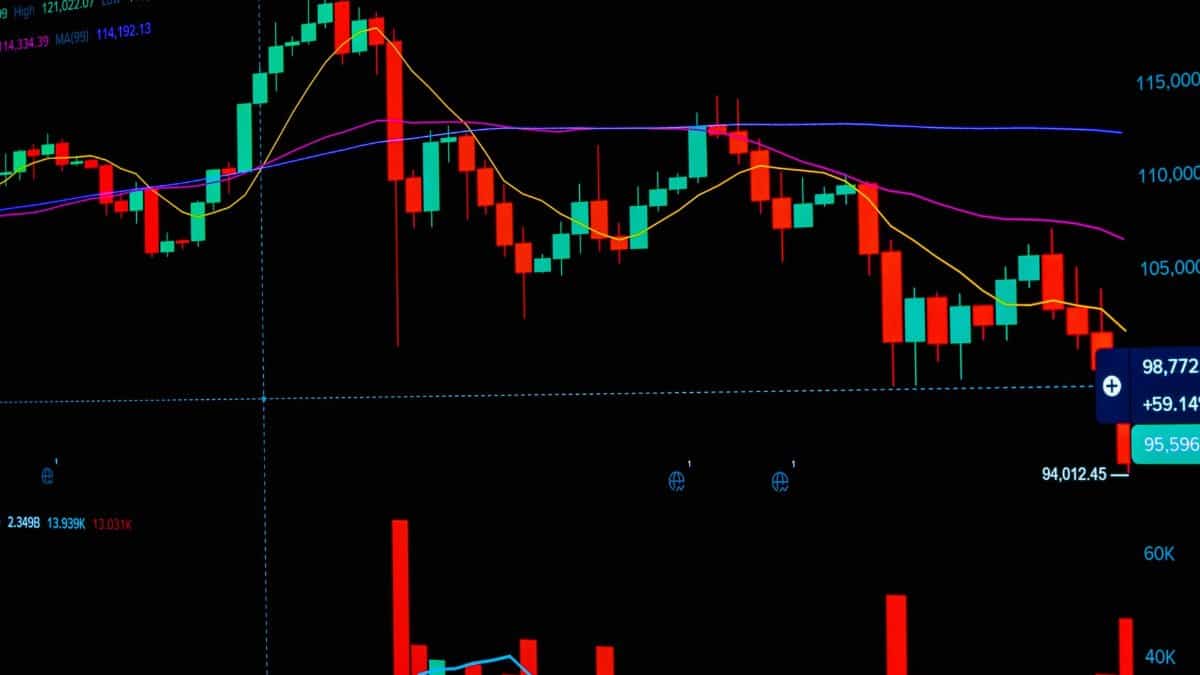
The tests ahead are concrete. Companies must show that customers are still signing multi year commitments for computing capacity. Utilities must show that new power can be delivered without a political backlash that freezes projects. Lawmakers, newly attentive, must show whether their skepticism produces rules or only speeches.
Until those answers arrive, sessions like Friday will recur. Fear will spike on a headline. Buying will return when the headline proves smaller than the price move. The investor’s job is to tell those episodes apart, which is harder than it sounds and more important than any single close.
Living with a theme that outruns the tape

Artificial intelligence remains a real industrial project, not a ticker symbol. Factories are being retooled. Grids are being asked to do more than they were built to do. Workers are being told to learn tools that did not exist when they entered their fields. Those changes will proceed at the speed of permits, capital, and skill, which is rarely the speed of a stock chart.
When AI stocks rebound after a brutal stretch, the rebound is a market event. The work underneath it is an economic one. Confusing the two is how investors talk themselves into buying the top or selling the bottom. Friday asked for a smaller claim: the selloff paused, the weekly loss shrank, and the argument about how fast the future gets built is still open.