
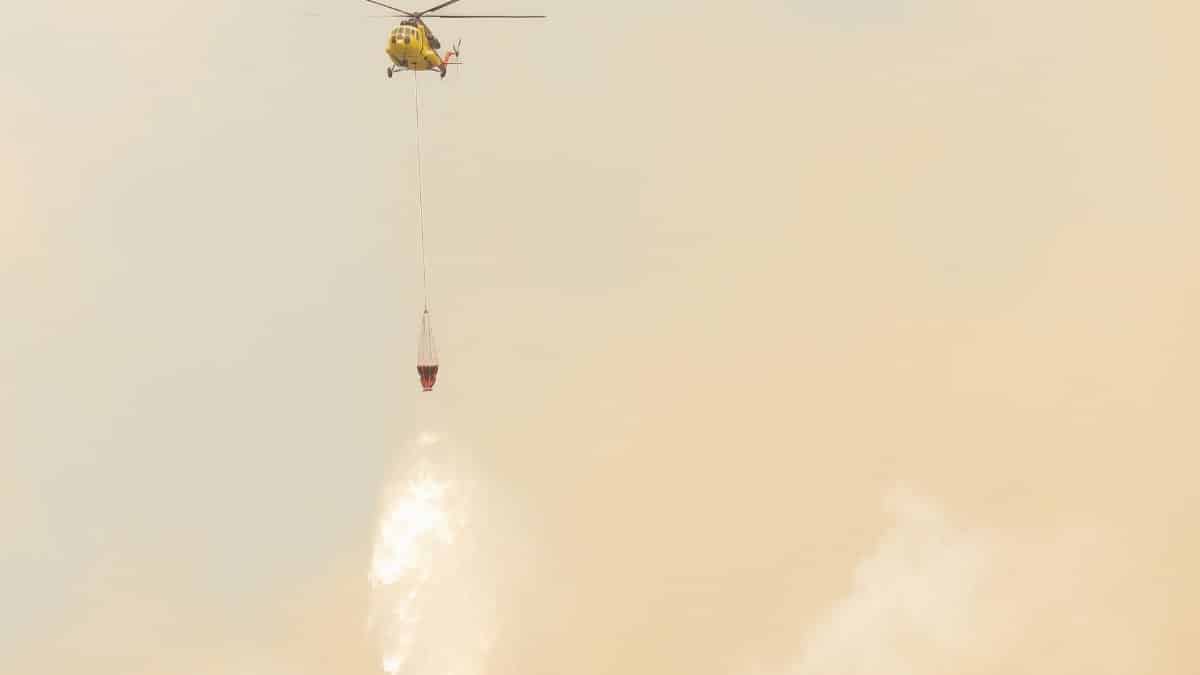
In the remote northern reaches of Minnesota a sudden wildfire threat forced the closure of the Boundary Waters Canoe Area leaving many paddlers stranded on lakes with limited escape options. Local towboat operators responded swiftly by ferrying dozens to safety from sites like Basswood Lake. Their actions turned a potential tragedy into a story of community strength during what became known as the BWCA Wildfire Rescue. The event unfolded in summer 2026 amid dry conditions that fueled rapid fire spread across forested shorelines. Paddlers who had set out for quiet adventures found themselves relying on these mariners for urgent transport through smoky waters.
Origins of the Towboat Response Effort
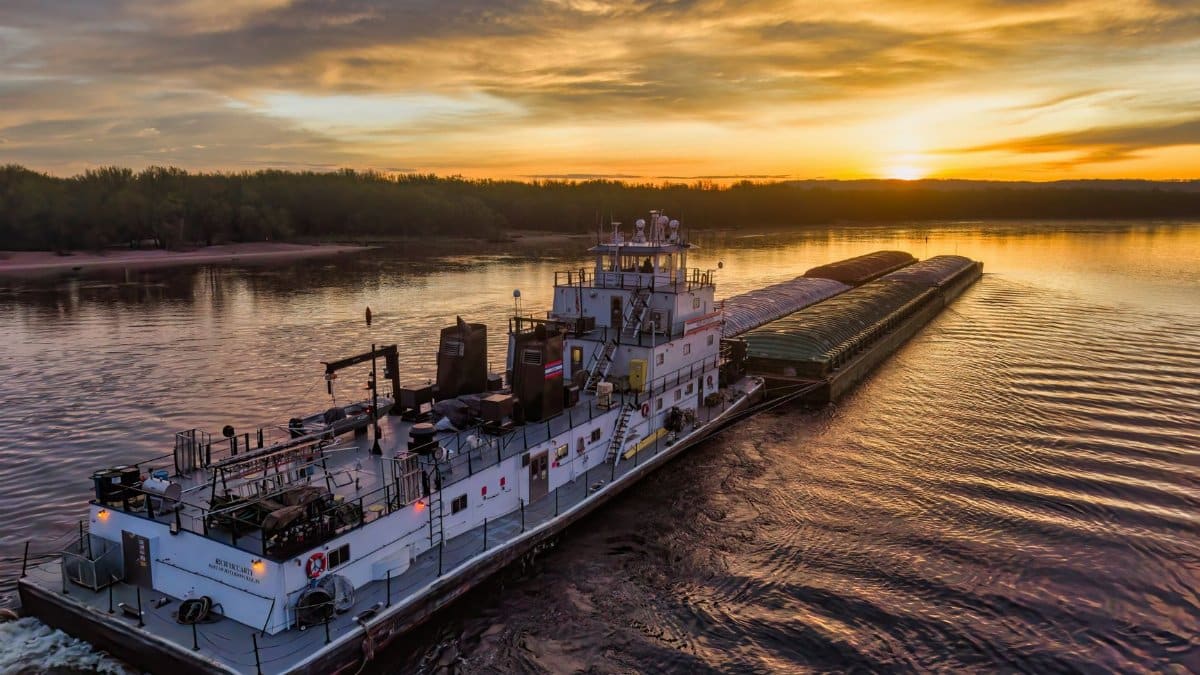
Towboat crews based near the wilderness boundary received urgent calls as officials ordered evacuations. These operators who normally assist with gear transport shifted to full rescue mode. They navigated channels packed with canoes and kayaks while flames advanced toward the shore. Many paddlers reported feeling relief when the first boats appeared through the haze.
Challenges Faced on Basswood Lake
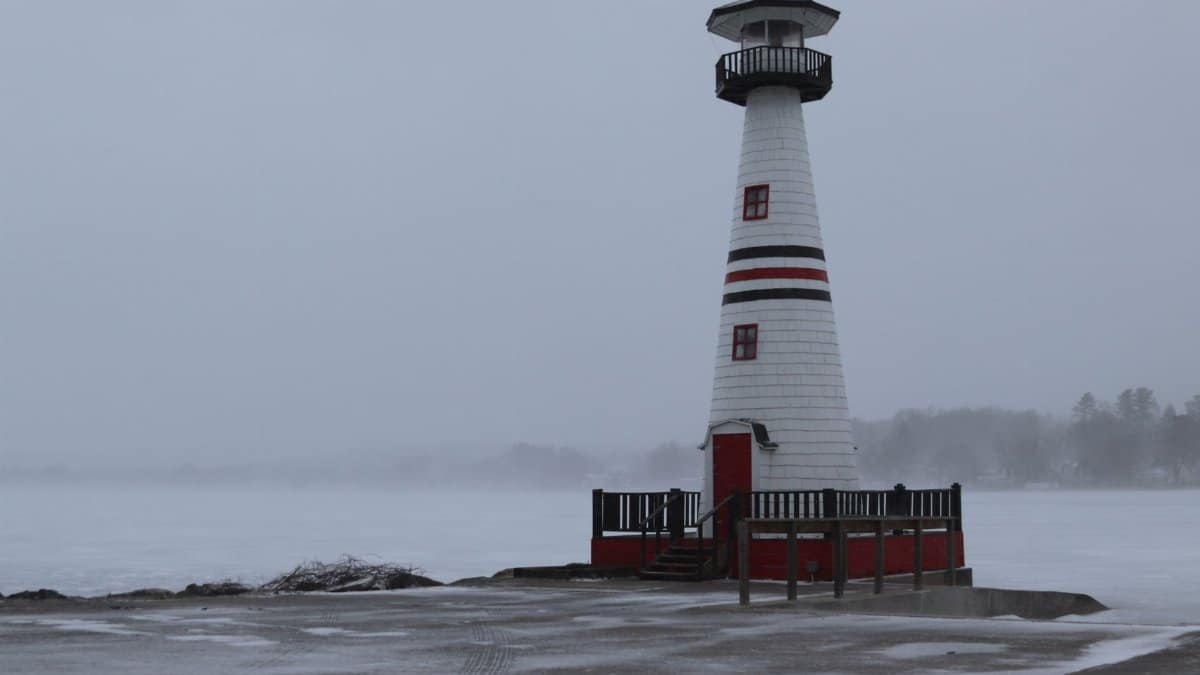
Basswood Lake presented unique difficulties because of its size and the number of dispersed campsites. Strong winds pushed smoke across the water reducing visibility for navigation. Operators had to avoid submerged rocks and other vessels while maintaining steady progress toward designated pickup points. Several trips occurred at night with only headlamps to guide the way.
Coordination With Forest Officials
Communication between towboat operators and federal forest staff proved essential for safe movements. Updates on fire location arrived via radio allowing captains to adjust routes in real time. This partnership prevented overlap with active fire lines and ensured that all known groups received assistance. Officials later praised the efficiency of these joint efforts.
Stories From Paddlers Who Were Evacuated
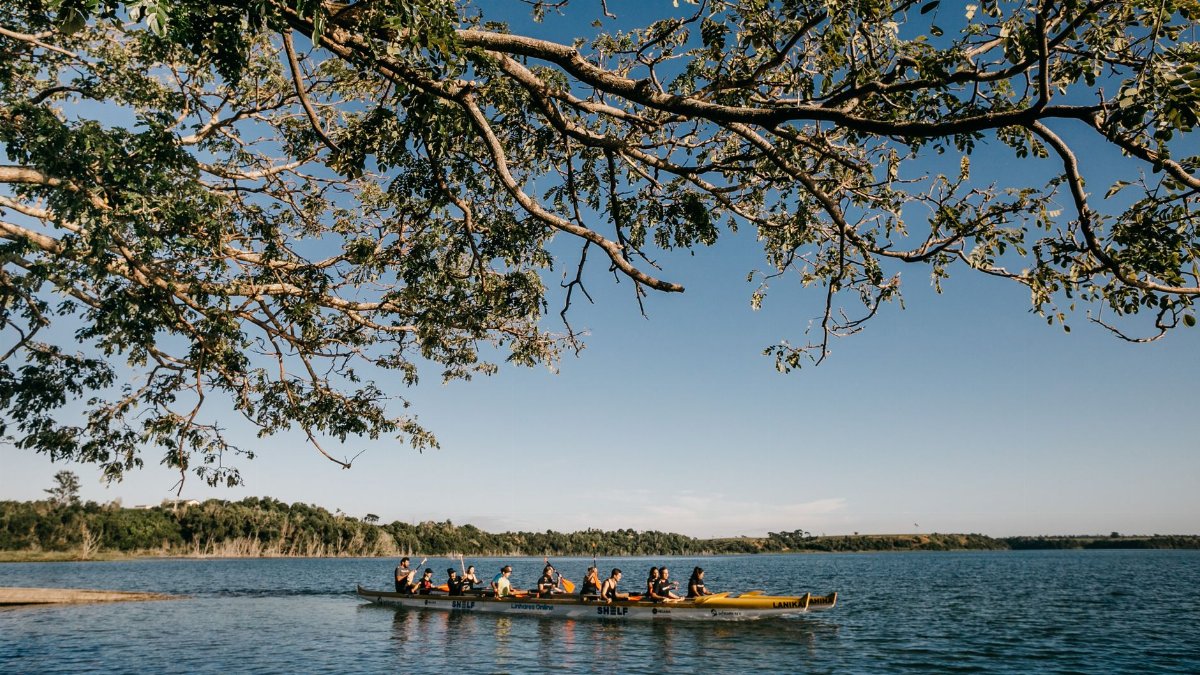
One group of four friends described spending an anxious night on a small island before a towboat reached them. They had limited food and water yet maintained calm by sharing stories around a small stove. Upon reaching the landing they expressed gratitude for the operators who worked without pause through the following day.
Role of Local Knowledge in Crisis

Longtime residents of the area brought intimate understanding of lake currents and hidden coves that proved invaluable. Their experience allowed quicker access to remote parties than standard maps alone could provide. This local expertise transformed what might have been a disorganized scramble into an orderly series of extractions.
Environmental Context of the Summer Fires
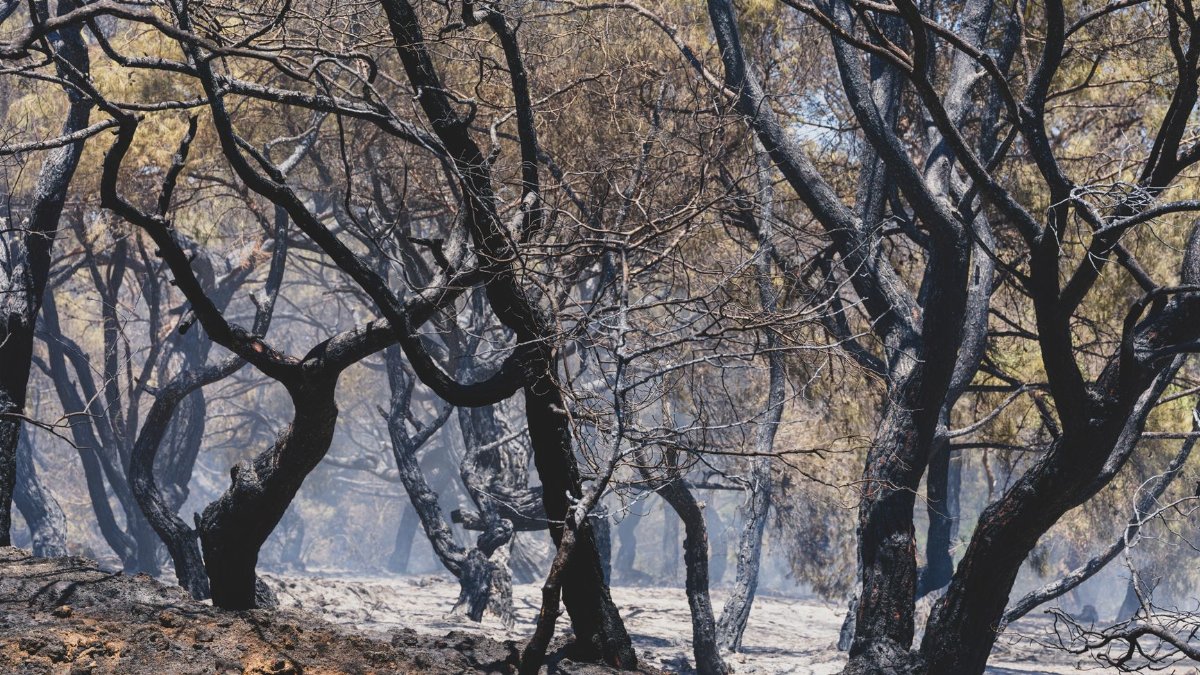
Dry spells throughout the preceding months left vegetation brittle and prone to ignition from lightning strikes. The resulting blazes moved with surprising speed across the landscape prompting the broad closure order. Such conditions have become more frequent in recent years raising questions about long term wilderness management.
Impact on Future Wilderness Visits
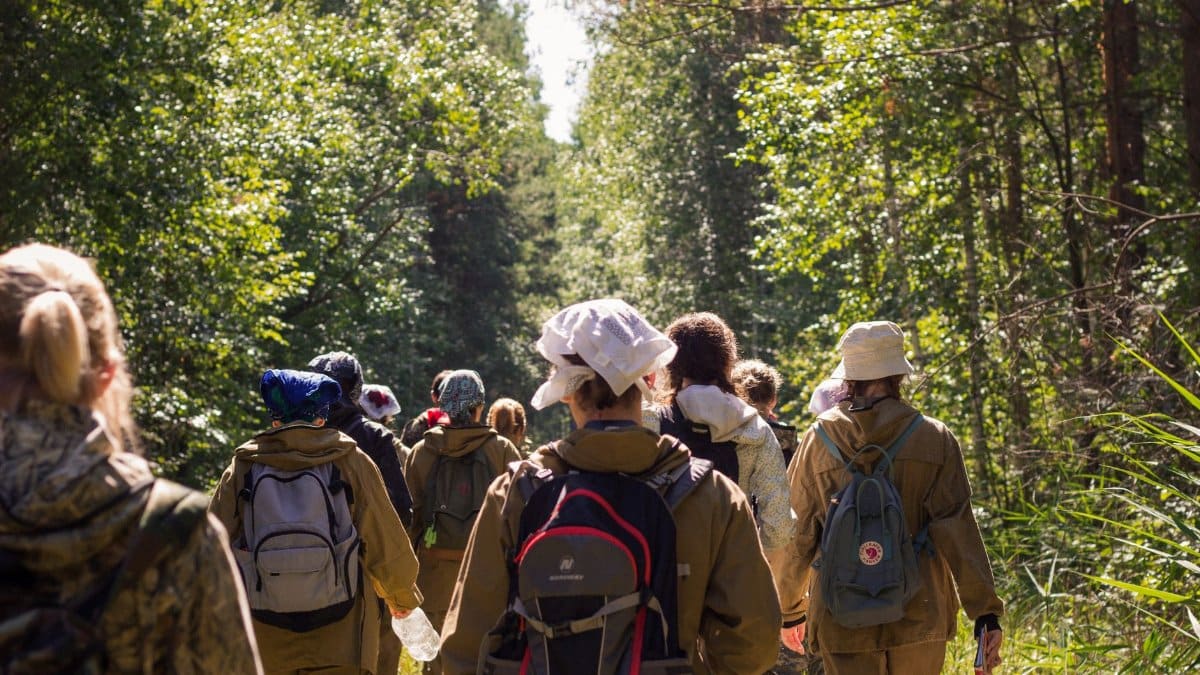
The rescue highlighted both the risks and the resilience present in remote travel. Visitors may now consider additional safety plans such as satellite messengers or prearranged pickup contacts. Operators themselves have begun discussing expanded training for similar events in coming seasons.
Broader Lessons on Community Support

The episode revealed how small businesses in gateway communities can serve as vital lifelines during emergencies. Their willingness to repurpose equipment for public safety underscored a shared commitment to the region. Observers noted that such actions strengthen bonds between locals and those who travel to enjoy the wilderness.