
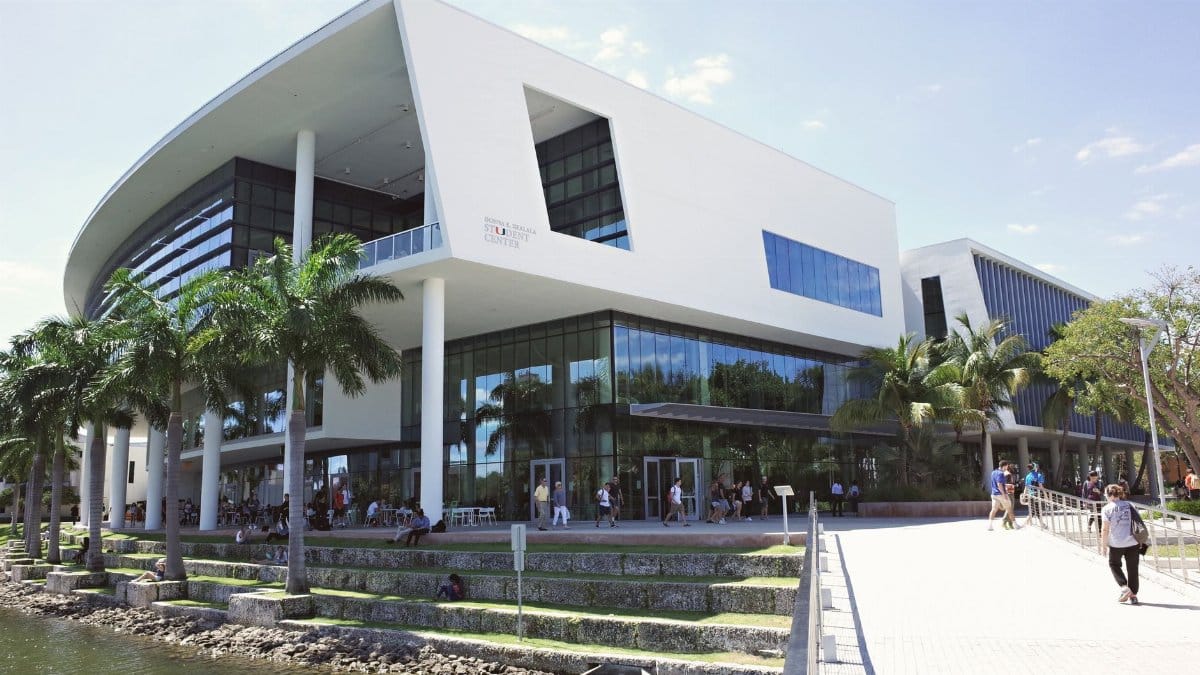
In the heart of Miami Beach a new institution is set to reshape how young minds engage with technology. Set to open its doors in July 2026 this school focuses on artificial intelligence at a tuition of sixty five thousand dollars per year. This development highlights the growing interest in Miami AI Education as families seek specialized programs amid the city’s evolving landscape. Observers note that the high cost reflects the specialized curriculum and the demand for expertise in this field. As the school takes shape it raises questions about accessibility and the future direction of tech focused instruction in the region.
The Vision Behind the New Institution

The founders describe their project as a response to rapid changes in how society uses advanced computing. They aim to prepare students from an early age for careers that rely on machine learning and data analysis. Rather than following standard lesson plans the program builds around projects that require creative problem solving with real world tools. This approach draws from conversations with industry leaders who argue that traditional classrooms often lag behind workplace needs. In practice the school plans small classes where instructors guide learners through iterative experiments instead of lectures alone.
Understanding the Curriculum Details

Coursework will cover core principles of artificial intelligence alongside subjects like mathematics and ethics. Students might spend mornings writing code to simulate decision making systems and afternoons discussing the social effects of automation. The design avoids rigid testing in favor of portfolio reviews that demonstrate practical skills. Teachers with backgrounds in both academia and technology firms will lead sessions. This blend seeks to foster curiosity while ensuring graduates can apply concepts immediately after completion.
Tuition Costs and Who Can Afford Them

The sixty five thousand dollar price tag places the program among the most expensive options available for secondary education. Administrators point to investments in custom software platforms and expert faculty as justification. Yet the figure prompts debate over whether such models can expand beyond wealthy households. Some families may view the expense as an investment in future opportunities within growing tech sectors. Others wonder if scholarships or partnerships could broaden access over time.
Miami Growing Role in Technology

Local officials have promoted the city as an emerging hub for innovation with new companies relocating and universities expanding related departments. The school opening adds another layer to these efforts by targeting younger learners. Miami AI Education now appears in discussions about long term workforce development. City leaders hope the presence of such programs will encourage more professionals to settle in the area and contribute to ongoing projects.
Comparisons to Traditional Schools

Unlike conventional institutions that balance many subjects evenly this model prioritizes depth in computational thinking. Daily schedules include extended blocks for collaborative work rather than frequent subject switches. Proponents say the focus produces stronger outcomes in specialized areas though critics caution that breadth may suffer. Parents considering enrollment often weigh these tradeoffs against personal goals for their children.
Potential Impact on Local Economy

Supporters expect the school to attract additional businesses that value early talent pipelines. Restaurants and service providers near the campus could see steady custom from families visiting for events. Over several years the concentration of AI oriented education might influence real estate trends and job markets. Economists tracking similar initiatives elsewhere note mixed results depending on community integration.
Challenges in Implementing AI Programs
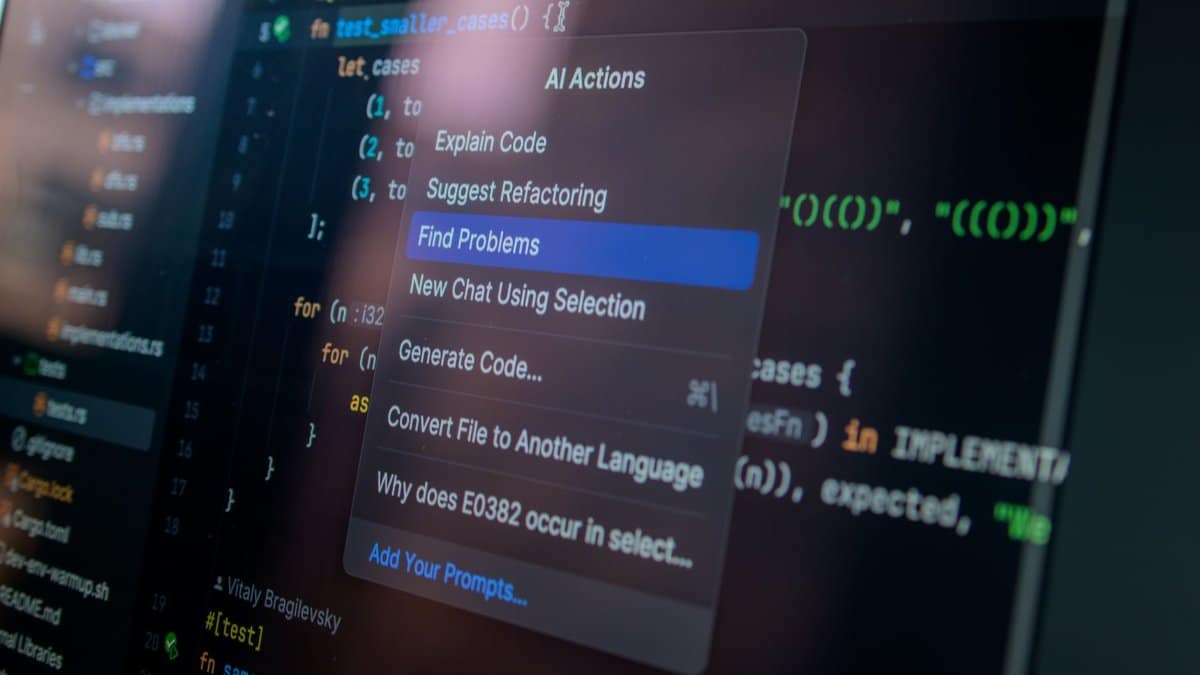
Building effective instruction requires constant updates to materials as the field evolves quickly. Recruiting qualified staff remains difficult because many experts command higher salaries in industry roles. The school must also address concerns from regulators about data privacy when students work with large datasets. These hurdles illustrate the complexities of launching ambitious educational experiments in a competitive environment.
Looking Ahead for Students and Families

Early interest suggests the first class will fill despite the cost. Graduates may pursue further study at universities with strong computer science departments or enter internships at technology firms. For Miami the broader conversation around Miami AI Education continues as more stakeholders evaluate how best to prepare the next generation. Success will depend on measurable student achievements and the ability to adapt as needs shift.