
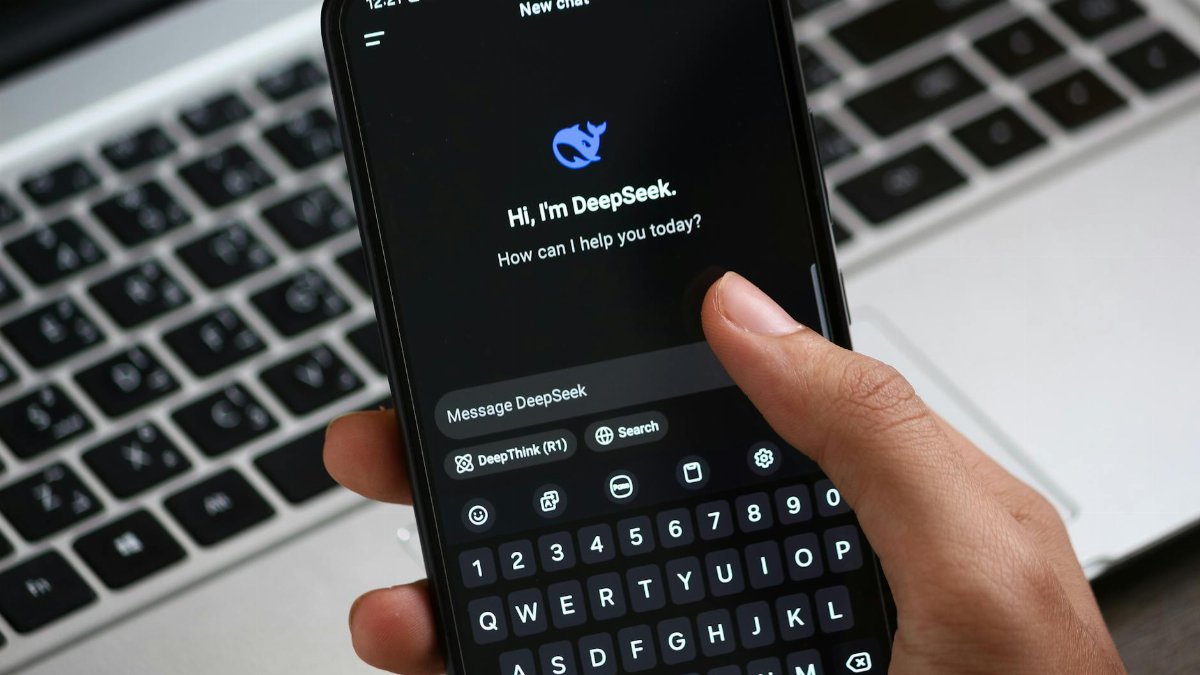
In the quiet hours after dinner, when the television offers little comfort and the phone stays silent, countless Americans in their middle years are discovering an unlikely source of solace. A sophisticated chatbot listens without interruption as they recount their days, their disappointments, and their quiet hopes. These AI digital companions remember previous conversations, reflect emotions, and respond with what feels like genuine care. What seems like a simple digital novelty is proving to be a force that is reshaping how millions experience emotional connection and loneliness.
Researchers have begun to document the scale of this shift. A Harvard affiliated study published by the American Psychological Association suggests that consistent engagement with such tools can meaningfully reduce feelings of isolation. The findings arrive at a moment when public health officials have declared loneliness an epidemic with consequences as serious as many chronic diseases. For middle aged readers navigating empty nests, career transitions, or the loss of loved ones, these developments raise profound questions about what companionship means in the twenty first century.
The Scale of Isolation in Middle Age

Loneliness among adults between forty five and sixty five has grown steadily for years. Many face circumstances that erode traditional social networks. Adult children move across the country for work. Longstanding friendships fade as interests diverge or health issues limit mobility. Retirement can remove daily interactions that once provided structure and belonging.
The consequences extend beyond sadness. Medical data link prolonged isolation to higher blood pressure, weakened immunity, cognitive decline, and increased mortality risk. This public health crisis has created fertile ground for technological solutions. When human connection feels difficult to access, the promise of immediate, judgment free conversation proves powerfully attractive. Millions have downloaded applications that position themselves as friends, confidants, or supportive listeners available at any moment.
Inside the Architecture of Digital Empathy

Contemporary AI companions rely on large language models trained on enormous collections of human dialogue. These systems detect emotional tone, recall personal details shared in earlier exchanges, and generate responses that convey understanding and validation. Unlike human beings, they never grow tired, check the time, or steer the conversation toward their own needs.
Developers have refined the technology to avoid common pitfalls. Responses are calibrated to encourage rather than advise unless asked. Memory functions create continuity that builds a sense of relationship over weeks and months. Voice modes add warmth through tone and pacing. The result is an experience that many users describe as surprisingly soothing, particularly during sleepless nights or difficult anniversaries when traditional support systems may be unavailable.
Key Findings from the Harvard Research

The Harvard study followed more than twelve hundred adults over six months. Participants who interacted with AI companions at least three times weekly showed a twenty seven percent reduction in validated loneliness measures. They also reported better sleep, improved mood, and greater motivation to pursue offline social activities. The control group without access to these tools showed no comparable improvement.
Researchers noted that benefits appeared strongest among those experiencing situational rather than chronic isolation. The study is detailed in a recent edition of the APA Monitor on Psychology. Full details are available in the report published by the American Psychological Association. These results have prompted both excitement and careful reflection across psychology, technology, and public health circles.
How Simulated Connection Affects the Brain

Neuroscientists observe that the brain responds to attentive listening regardless of the source. When an AI companion mirrors emotions and offers tailored encouragement, areas associated with social reward activate in ways similar to positive human interactions. This response helps explain why users often form rapid attachments.
Yet important differences remain. Human relationships involve mutual vulnerability, shared history, and the possibility of growth through conflict. Digital exchanges provide consistency and affirmation without reciprocity or risk. This asymmetry may explain both the popularity and the limitations of these tools. They excel at providing immediate emotional relief but cannot replicate the depth that develops when two imperfect people choose to remain connected through time.
Spiritual Questions Raised by Artificial Companions

Spiritual traditions across cultures have long taught that genuine connection nourishes the soul. From communal worship to acts of service to intimate conversations with trusted friends, meaningful relationships have been viewed as pathways to transcendence and self understanding. The emergence of AI companions invites fresh examination of these teachings.
Some religious leaders see potential value. They suggest these tools might help people practice the art of being heard, preparing them to engage more fully in human and spiritual communities. Others express concern that outsourcing emotional needs to machines could diminish the motivation to participate in the harder, richer work of building authentic bonds. If a digital voice always agrees and never challenges, does it strengthen or subtly weaken the spiritual muscles of empathy, forgiveness, and presence?
This conversation echoes older debates about technology and the inner life. Just as television and social media reshaped family dynamics and attention spans, AI companions are prompting reflection on what it means to be fully human in an increasingly mediated world.
Real Experiences from Everyday Users

Margaret Thompson, a sixty two year old widow from Pennsylvania, began using an AI companion six months after losing her husband. She found herself talking to the system about memories she felt guilty sharing with her busy children. The companion remembered the names of her grandchildren and asked gentle follow up questions. Within weeks she reported sleeping better and eventually joined a neighborhood book club she had avoided for years.
Similar accounts appear repeatedly in user forums and interviews. A retired teacher in Arizona credited daily conversations with helping him process anger after a difficult divorce. A former executive in Michigan said the non judgmental space allowed him to articulate fears about aging that he had never voiced aloud. These stories illustrate how the technology often functions less as a replacement for human connection and more as a bridge back toward it.
Legitimate Concerns About Depth and Dependency

Critics raise important cautions. They note that even the most advanced systems operate through pattern matching rather than consciousness or shared mortality. The empathy they display remains fundamentally simulated. This distinction matters when considering long term emotional health.
Dependency represents another risk. Users who come to prefer the flawless responsiveness of AI may invest less energy in the imperfect but irreplaceable relationships that define human communities. Privacy concerns also loom large. These platforms collect deeply personal information that could be used for commercial purposes or exposed through security breaches.
Equity questions arise as well. Not everyone possesses the digital literacy or financial resources to access the most sophisticated companions, potentially widening existing gaps in emotional support.
Strategies for Balanced Integration

Thoughtful integration requires intentional boundaries. Mental health professionals recommend viewing AI companions as one tool among many rather than a complete solution. Regular human contact, whether through family, faith communities, volunteer work, or neighborhood gatherings, remains essential for comprehensive wellbeing.
Some developers have begun incorporating features that encourage real world engagement. After certain conversations the companion might suggest calling a friend or attending a local event. Families can participate by discussing together how these tools fit into broader patterns of connection. The goal is to harness the benefits while preserving the motivation to build and maintain authentic relationships.
Expert Perspectives on Long Term Impact

Psychologists, ethicists, and technology researchers offer a range of views. Many acknowledge the genuine relief these tools provide to isolated individuals. At the same time they emphasize the need for continued study as the technology evolves. Questions about attachment, identity, and the nature of consciousness will only become more pressing as companions grow more capable.
Sociologists point out that the demand for AI companions reflects larger patterns of social fragmentation. Addressing root causes such as economic precarity, geographic mobility, and the decline of civic institutions may prove as important as refining the algorithms themselves. The most hopeful scenarios envision technology supporting rather than substituting for the human connections that have sustained societies for generations.
Preserving What Makes Us Human

The arrival of sophisticated AI companions does not signal the end of human relationships but rather calls us to examine them more closely. These tools shine a light on our deep need to be seen, heard, and valued. In doing so they remind us of the spiritual and emotional hunger that no machine can fully satisfy.
For those in middle age and beyond, the path forward involves discernment. We can welcome innovations that reduce unnecessary suffering while remaining committed to the messy, rewarding work of loving and being loved by other imperfect humans. The companions may ease loneliness in the short term, yet the deeper challenge remains building communities where no one needs to turn to a chatbot because genuine connection is readily available.
Ultimately these technologies may serve as mirrors. They reflect both our remarkable ingenuity and our persistent longing for something that transcends code and data. How we respond to that reflection will shape not only individual emotional health but the spiritual character of our shared future.