
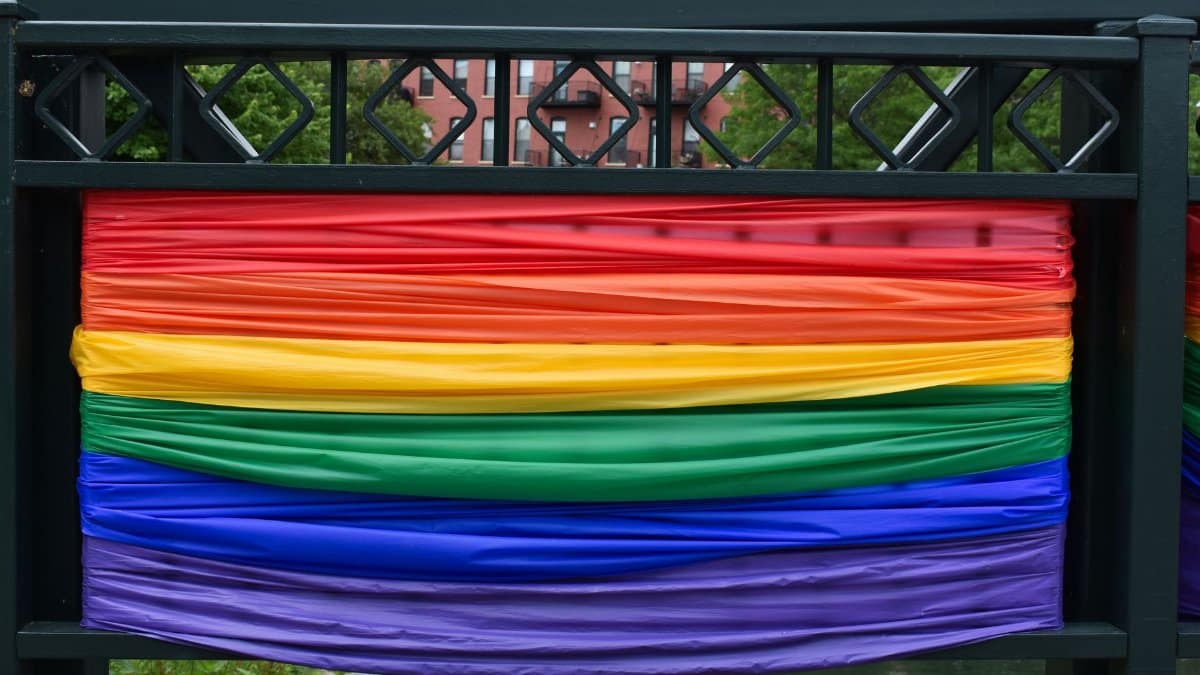
In a lakeside Minnesota district better known for summer festivals than courtroom calendars, a classroom decoration has become a test of how far a public school may go in policing symbols. The Detroit Lakes Pride lawsuit, brought by parents alongside the American Civil Liberties Union of Minnesota, asks a court to undo a July school board vote that barred rainbow displays associated with LGBTQ Pride. The object of the fight is small. The meaning is not. A strip of color on a wall, a flag near a library shelf, a sticker on a locker door, now anchors arguments about student expression, religious objection, and whether a school may treat a widely recognized emblem of inclusion as something to be hidden.
A vote that redrew the walls
The July vote did something more concrete than a press statement. It told teachers and students that rainbow imagery tied to Pride did not belong in classrooms. Supporters of such limits often describe them as neutrality. They say a school should not appear to endorse a contested social message, and that rainbow colors have become, in their view, a political banner rather than a simple decoration. Opponents answer that the same colors function in schools as a signal of safety for students who already know they are debated in public. Removing the signal, they argue, is itself a message, delivered most clearly to the students who needed it.
The Detroit Lakes Pride lawsuit turns on that disagreement. A ban is not a debate club resolution. It is a rule with consequences for what may hang on a wall, what a teacher may post, and what a student may understand the institution to permit. In a district where many rooms are small and many faces are familiar, a missing poster is not an abstraction. It is a change people can point to.
Parents and a civil liberties group go to court

Parents joined the ACLU of Minnesota in challenging the restriction. That pairing matters. Civil liberties litigation often arrives from outside a town, and local families supply the facts a court needs: which classrooms changed, which students noticed, which conversations at home followed the vote. The legal claim, as framed in public accounts of the case, is that a blanket prohibition on Pride rainbows crosses a line that public schools may not cross when the restriction singles out a viewpoint or a community.
I have covered enough school fights to know that the caption on a case rarely captures the temperature in the gym where the board met. What the filing does capture is a request for judicial review. Families who believe the rule harms their children are asking a judge, not another rally, to say whether the board acted within its authority. That shift from microphone to brief changes the kind of argument that counts. Applause no longer matters. Text, enforcement, and evidence do.
Neutrality is the word everyone claims

Neutrality is the most contested word in American school governance. Boards invoke it when they remove a book, a poster, or a club flyer. Families invoke it when they say the removal was not evenhanded. A rainbow ban invites the question of what else is barred. Are other flags, religious symbols, political stickers, and seasonal displays treated with the same suspicion? If the rule reaches only Pride imagery, courts have reason to ask whether the district regulated a subject or punished a viewpoint.
That inquiry does not require a judge to declare a cultural winner. It requires the district to explain the interest it claims to protect, and to show that the tool it chose fits that interest. A rule written in the language of calm can still function as a targeted exclusion. The harder task for any board is to write a standard it would accept if the disfavored symbol belonged to a group it likes better.
Faith, conscience, and the child in the room

Because this dispute sits near questions of belief, it is tempting to sort the town into camps of faith and camps of Pride. That sorting is too crude. Religious parents are not a single mind. Some hear in the rainbow an affirmation that conflicts with doctrine they want schools to leave alone. Others, including people who worship in the same pews, hear a ban as a refusal to acknowledge neighbors. Students absorb both lessons, often before they have language for either.
A public school is not a church and not a campaign office. It is a place where children of many convictions share a hallway. The spiritual question hiding inside the legal one is whether conscience is honored by silence, or whether silence about some students becomes a form of speech about them. The Detroit Lakes Pride lawsuit will not settle theology. It may force a clearer account of what equal regard looks like when symbols enter the argument. Congregations in town will keep preaching as they preach. The school still has to decide what it posts where every child is required to be.
What students are likely to hear

Policy language rarely matches the translation students make. A board can say it is keeping politics out of class. A teenager can hear that their identity is the politics being kept out. Teachers, caught between a directive and a duty to keep classrooms workable, often become the unwilling interpreters. Some will comply strictly. Some will look for allowed substitutes, a generic welcome poster, a private conversation, a counseling referral. None of those workarounds answers the question the vote raised.
For middle aged readers who remember schools as places of quieter symbolism, the intensity can seem new. It is not entirely new. Schools have long been stages for fights over flags, prayers, armbands, and books. What has changed is the speed with which a local vote becomes a state and national argument, and the confidence of advocacy groups on every side that a courtroom is a proper next room. Students, meanwhile, still have to eat lunch under whatever rule the adults leave behind.
The legal frame without the theatrics
Public school speech doctrine is a thicket, but the core ideas are familiar even to nonlawyers. Students retain significant expressive rights inside a public school. Schools may regulate disruption, vulgarity, and some messages the institution itself sponsors. They have less room when a rule appears to pick sides among protected ideas. A rainbow display can be characterized as student speech, teacher speech, or government speech, and the label changes the analysis. That characterization is likely to occupy much of the briefing.
Readers should be wary of anyone who promises an obvious outcome. The Detroit Lakes Pride lawsuit presents a fact pattern that sounds simple and a doctrine that is not. Judges look at the text of the policy, the discussion that produced it, and the way it is enforced. A ban that names Pride is easier to challenge than a content neutral rule about all decorations, though even a broader rule can be scrutinized if it is applied unevenly. The record of the July meeting may matter as much as the sentence that ended up in the policy manual.
A town small enough that everyone will know
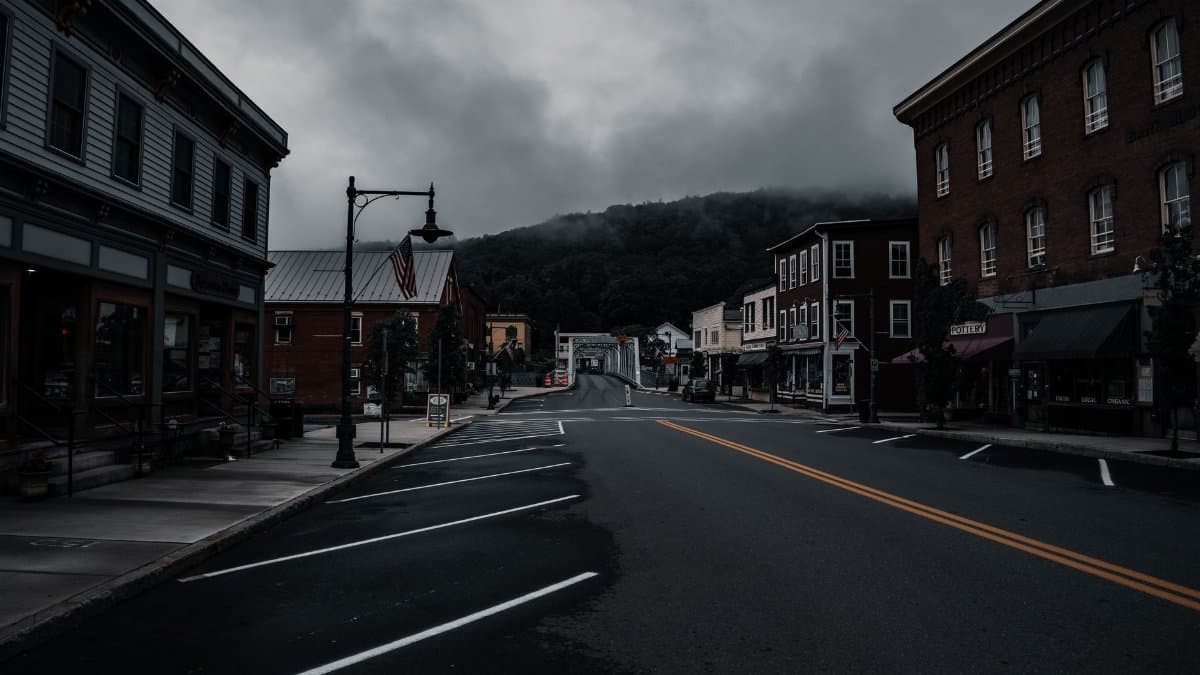
Detroit Lakes is not an abstraction. It is a community where board members shop in the same stores as the families who sued, and where a high school game can put opponents in adjacent bleachers. Litigation in a place that size has a social cost that metro filings sometimes lack. Neighbors become captions. Teachers become witnesses to a mood, if not to a hearing. That cost is not a reason to avoid court when rights are at stake. It is a reason to describe the stakes without caricature.
People on both sides often believe they are protecting children. One side fears indoctrination and the loss of parental say. The other fears erasure and the quiet permission that bullying takes from official disapproval. A serious account holds both fears in view without pretending they are equal in every respect, or that a court must adopt the vocabulary of either camp. The child who is LGBTQ and the child whose family objects to Pride displays may pass each other every day. A lawsuit does not suspend that fact.
What a decision would and would not do
A ruling for the families could restore rainbow displays and warn other boards that a Pride specific prohibition is legally fragile. A ruling for the district could embolden similar limits, especially in towns where board majorities already lean that way. Neither result would end the cultural argument. Courts decide cases. Communities keep living with one another after the opinion is posted.
The Detroit Lakes Pride lawsuit also illustrates a pattern that extends past one lake town. Local boards have become arenas for national questions about gender, sexuality, curriculum, and the symbols that stand in for those questions. The rainbow is portable. So is the template of a ban, a lawsuit, and a fundraising email. What is not portable is the particular child who walks into a particular room and looks for a sign that the room was prepared with them in mind.
How to read the next headlines

The next headlines will likely emphasize victory and defeat. That is the grammar of litigation coverage. A more useful reading asks narrower questions. Did the board ban a symbol or a disruption? Did it apply the rule to comparable displays? Did families show a concrete injury, or only a disagreement? Did the district offer an educational justification that does not collapse into discomfort with LGBTQ visibility?
Those questions will not satisfy readers who want a moral headline. They are the questions that determine whether a school rule survives. They are also the questions a community can ask without waiting for a judge, if it is willing to look at its own policy with the same care it demands of a court. National commentary will flatten Detroit Lakes into a symbol of its own. Residents will still have to attend the next board meeting in person.
After the filing, the hallway remains

Whatever the docket does, the school day will still start. Students will still choose seats, still notice who is mocked and who is defended, still learn as much from institutional silence as from any lesson plan. Boards that treat symbols as the whole of inclusion, or the whole of the threat, miss that larger climate. Symbols matter because they point to climate. They are not a substitute for competent teaching, fair discipline, or adults who refuse cruelty.
The case will be cited, praised, and denounced far from Becker County. Its more immediate audience is smaller. It is the student who wonders whether a color is now suspect, the parent who feels unheard, the teacher who wants a rule they can follow without betraying a child, and the board member who voted in July believing the vote would settle the matter. Court cases rarely settle a town. They do sometimes force it to say, in plain language, what it is willing to show its children, and what it would rather take down before the first bell.