

The roads that connect our cities can turn deadly in an instant when a driver makes a fateful decision to travel against the flow of traffic. Such was the case in a recent Schuylkill Expressway crash that ended three lives prematurely and sent shockwaves through local communities. State police have confirmed the involvement of a wrong way motorist in this heartbreaking incident that unfolded amid the steady hum of morning commuters.
Sequence of Events Unfolded Rapidly

Authorities pieced together the timeline from witness accounts and traffic camera footage showing the errant vehicle entering the highway in the opposite direction. The collision occurred near a busy interchange where multiple lanes merge, amplifying the force of impact. Emergency responders arrived within minutes yet faced a chaotic scene with vehicles scattered across the pavement.
Role of State Police in Investigation
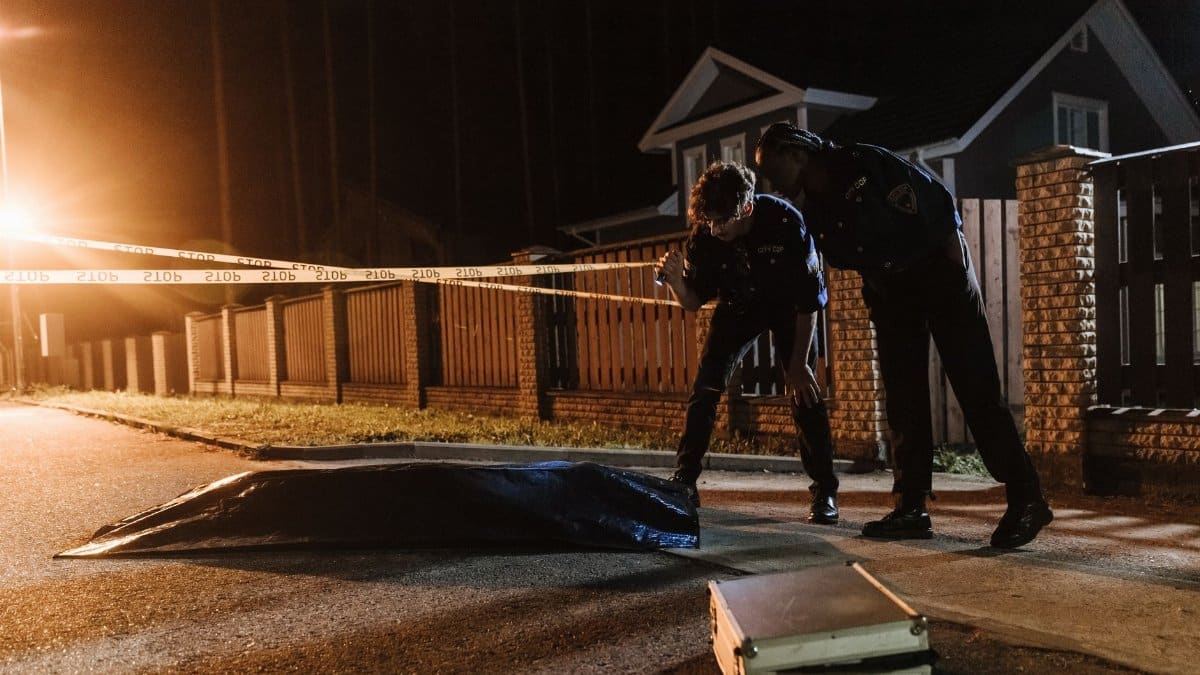
Pennsylvania state police led the inquiry, examining vehicle wreckage and gathering statements from survivors who described the sudden swerve of headlights. Their report highlighted the absence of mechanical failure in the wrong way car, pointing instead to driver actions as the primary factor. Ongoing analysis of toxicology reports aims to clarify any contributing elements.
Community Grieves Shared Loss

Families of the victims gathered for vigils that drew neighbors from surrounding Philadelphia suburbs, reflecting a collective sense of vulnerability on familiar routes. Local organizations offered support services while residents shared memories of those lost, underscoring how such events ripple beyond the immediate crash site.
Highway Design Faces Renewed Scrutiny

The Schuylkill Expressway has long carried heavy volumes of traffic through dense urban corridors, prompting discussions about barriers and signage that might deter similar wrong way entries. Engineers note that older sections of the roadway predate some modern safety standards now applied elsewhere in the state.
Patterns in Wrong Way Driving Incidents

Data from regional transportation departments reveal that wrong way episodes often cluster during low light hours when visibility drops and fatigue sets in for some motorists. Educational campaigns have targeted these patterns yet officials acknowledge that enforcement remains a persistent challenge across interstate systems.
Spiritual Dimensions of Sudden Tragedy

Faith leaders in the area framed the loss as a reminder of life’s fragility, encouraging congregants to cherish daily connections and practice mindful travel habits. Services incorporated themes of forgiveness alongside calls for collective responsibility in preventing future harm on public roads.
Calls for Legislative Attention Grow

Advocates urged lawmakers to allocate resources toward advanced detection systems that could alert drivers before they proceed in hazardous directions. Proposals include expanded use of rumble strips and electronic signs calibrated to real time traffic flows in high risk zones.
Personal Driving Habits Under Review

Many regular users of the corridor reported reassessing their own routines after learning details of the Schuylkill Expressway crash, opting for alternative paths or heightened awareness during commutes. Such individual shifts, though small, contribute to a wider cultural emphasis on caution behind the wheel.
Future Outlook for Regional Safety
Transportation planners continue to model scenarios that incorporate emerging technologies like vehicle to infrastructure communication, hoping to reduce the frequency of fatal encounters. Sustained public engagement will determine whether these efforts translate into measurable declines in roadway deaths over coming years.