

In a quiet courtroom in the Midwest, a mother faced the man who had taken her son’s life. Rather than demanding the harshest sentence possible, she spoke of mercy and a desire for his redemption. Her words pointed toward what some call Full Forgiveness, a practice that reaches beyond simple release of anger into active goodwill. This approach invites both the one harmed and the one who caused harm to find new ground.
Defining Mercy Beyond Common Expectations
Many people view forgiveness as a private act of letting go. Full Forgiveness asks more. It includes offering protection to the offender from further shame and extending goodwill even when it feels costly. Observers note that this fuller form often changes the atmosphere in families and communities where resentment once ruled.
Roots in Ancient Traditions and Modern Practice

Religious texts across centuries describe forgiveness as an act that restores relationship rather than ending it. Contemporary counselors observe similar patterns when clients move past surface level release. They report improved sleep and lower blood pressure when the process includes positive regard for the other person.
How Protection Plays a Role in Healing

True release sometimes requires shielding the person who caused pain from ongoing public scorn. This step surprises many because it seems to favor the wrongdoer. Yet therapists find that such protection reduces cycles of retaliation that can stretch across generations.
Love as the Unexpected Element

Full Forgiveness reaches its clearest expression when goodwill replaces indifference. This does not mean returning to unsafe situations. Instead it means wishing the other person genuine wellbeing without requiring contact. Research published by the Greater Good Science Center at the University of California Berkeley supports the idea that such wishes correlate with greater personal peace.
Personal Costs and Quiet Rewards

Choosing this path often demands time and emotional labor. Individuals describe moments of doubt when old memories surface. Over months the same people frequently notice reduced tension in daily interactions and a broader sense of freedom from past events.
Community Impact When Mercy Spreads
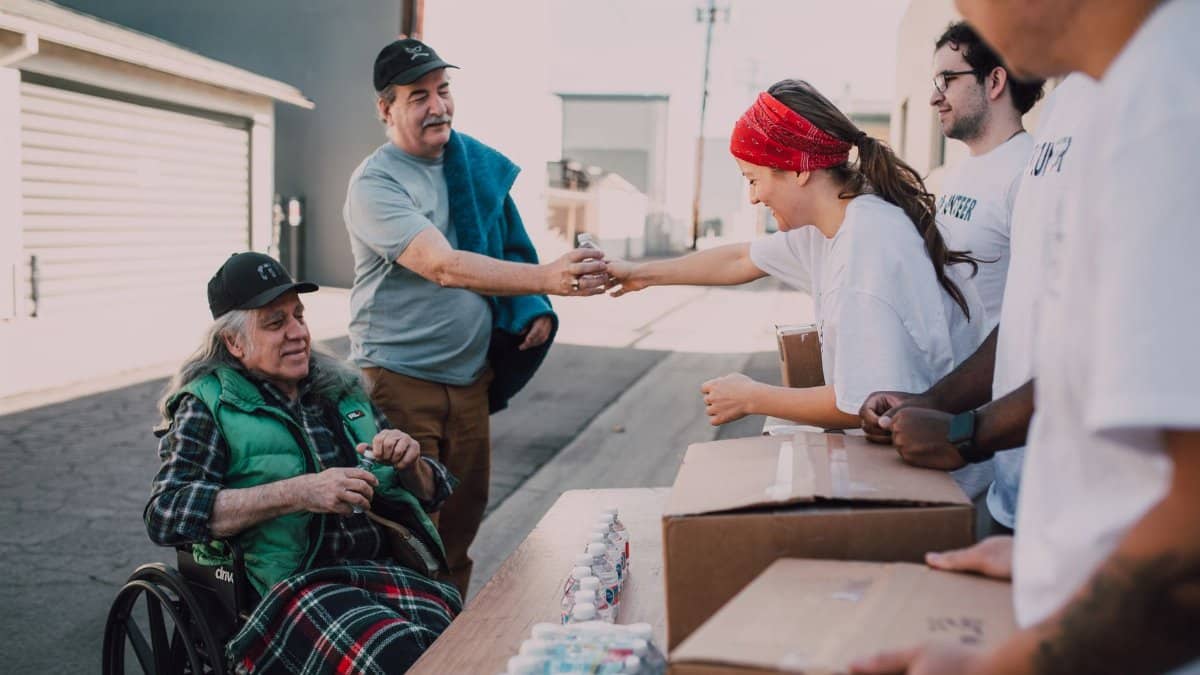
Neighborhoods and workplaces show measurable shifts when leaders model fuller forms of release. Conflict resolution programs that teach active goodwill report fewer repeat disputes. Participants describe an environment where people feel safer admitting mistakes without fear of lasting punishment.
Distinguishing Full Forgiveness From Forgetting

Critics sometimes claim that deep release erases accountability. In practice the opposite holds true. The process keeps clear memory of events while removing the desire for payback. This balance allows lessons to remain while freeing energy for present life.
Guidance From Counselors and Spiritual Directors

Professionals who guide others through this terrain emphasize small daily choices rather than sudden transformation. They suggest writing specific wishes for the other person wellbeing, then acting on one concrete step that demonstrates goodwill. The original source material from Psychology Today explores these steps in greater detail at https://www.psychologytoday.com/us/blog/the-forgiving-life/202606/fully-forgive-and-put-beauty-in-relationships-and-the-world.
Stories From Everyday Settings

A retired teacher once confronted a former student who had spread damaging rumors years earlier. Rather than seeking public apology, the teacher invited the younger person to coffee and listened. Over time the relationship evolved into one of mutual respect. Such accounts appear repeatedly when people describe Full Forgiveness in action.
Measuring Change Over Time
Longitudinal studies on forgiveness practices show gradual improvement in mood and social connection. Participants who practiced active goodwill for six months reported stronger ties with family members and colleagues. The gains appeared steady rather than dramatic, suggesting a cumulative effect.
Challenges in Applying the Concept Today

Modern culture often rewards quick judgment and public call outs. Choosing a different response can feel countercultural. Individuals who persist describe initial isolation followed by unexpected support from others who value depth over speed.
Looking Ahead to Wider Adoption

As conversations about mental health expand, more groups explore structured programs built around fuller release. Schools and corporations experiment with training that includes protection and goodwill alongside standard conflict tools. Early results suggest these additions strengthen overall climate without sacrificing standards of conduct.