

In gardens across the country fathers are discovering that time spent with hands in soil offers more than fresh vegetables or colorful blooms. It creates space for presence and reflection amid the demands of raising children. This practice known as Mindful Fatherhood Gardening invites men to slow down and connect both with nature and their families in ways that extend well beyond a single Sunday in June.
Beginning with Simple Acts of Attention

Many fathers start by noticing small details during a morning walk through their backyard. The way light falls on leaves or the sound of birds overhead becomes an entry point. These moments build gradually into a routine that prioritizes observation over productivity.
How Soil Teaches Steady Presence
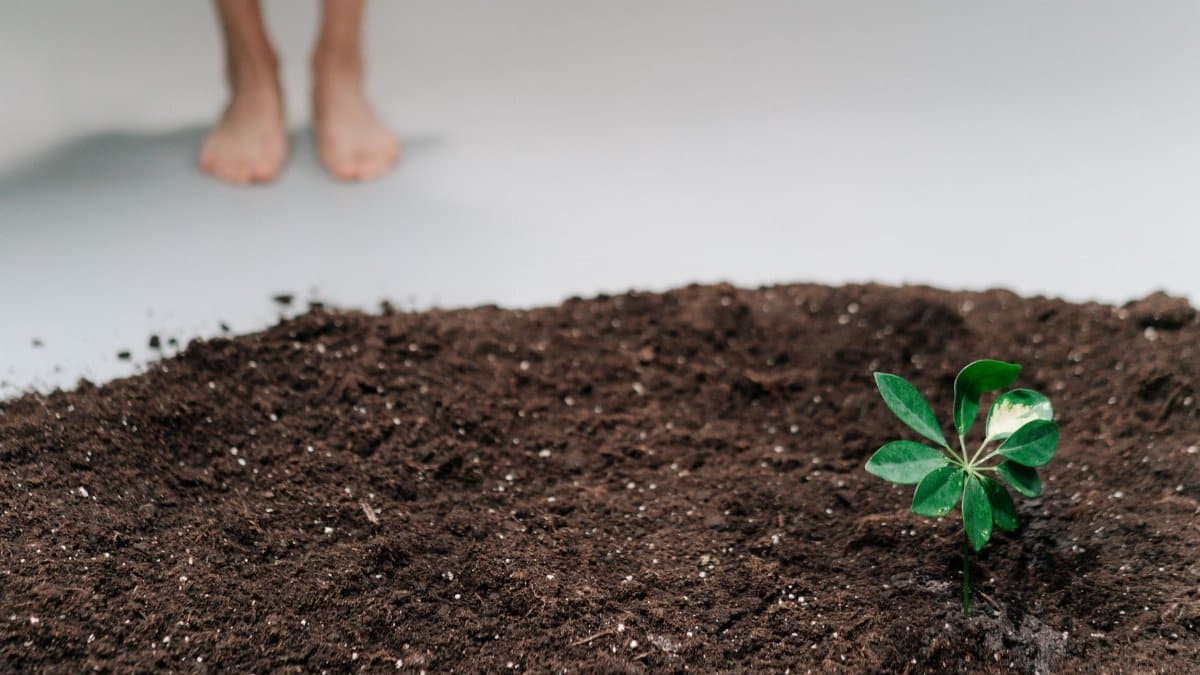
Working the earth requires patience that mirrors the steady attention children need. Turning compost or watering seedlings cannot be rushed. Fathers who adopt this approach often report carrying the same measured pace into conversations at the dinner table or during homework sessions.
Sharing the Garden with Young Helpers

Children learn by doing alongside adults. When a father invites his son or daughter to plant beans or pull weeds the activity becomes shared rather than supervised. The garden turns into a classroom where questions arise naturally and lessons about growth emerge without lectures.
Creating Rituals Around Seasonal Changes

Spring planting and fall harvest provide built in markers for family life. Fathers mark these transitions with small traditions such as a yearly photo beside the tomato vines or a meal prepared from the first harvest. Such patterns give children a sense of continuity.
Balancing Solitude and Connection

Time alone in the garden restores energy while time together strengthens bonds. Mindful Fatherhood Gardening succeeds when fathers recognize both needs. A quiet afternoon pruning roses might precede an evening of planting sunflowers with the family.
Observing Growth Beyond the Plants

The visible progress of a row of lettuce offers tangible evidence of care. Fathers notice similar though slower development in their children. The practice encourages appreciation for incremental change rather than pressure for immediate results.
Navigating Setbacks Without Frustration

Droughts pests and unexpected frosts arrive regardless of preparation. Learning to accept these events without discouragement translates directly to parenting. A father who replants after a failed crop practices resilience that serves him during difficult seasons with his children.
Extending Lessons into Daily Routines

The awareness cultivated outdoors does not stay confined to the garden. Fathers describe pausing before reacting during a tense moment at work or school pickup. The pause itself becomes a form of cultivation that protects relationships.
Connecting Across Generations

Grandfathers often pass along knowledge of particular plants or techniques. When fathers continue these threads they link their own children to earlier family stories. The garden becomes a living archive of care handed forward.
Marking Father’s Day with Intention

Rather than a single day of gifts or outings some families choose to begin a garden project together. The act itself reflects the ongoing nature of Mindful Fatherhood Gardening. It signals that presence and nurture remain central long after cards are opened and cake is served.
Sustaining the Practice Year After Year

Consistency matters more than perfection. Fathers who return to the same beds each season refine their methods and deepen their observations. The garden evolves alongside the family creating a record of shared attention that endures.