

In a development that underscores evolving possibilities in senior healthcare, an eighty seven year old woman from Wheaton has set a new benchmark for organ recipients in the state. Her journey reflects both personal determination and shifts in medical practice that increasingly consider older adults for complex procedures. This Wheaton Kidney Transplant Milestone stands as a notable point in regional health records.
Background of the Recipient and Her Community

The woman, a longtime resident of Wheaton, maintained an active life centered on family gatherings and local volunteer efforts before health issues arose. Her case drew interest because of her age and the successful outcome of the surgery performed at a Chicago area medical center. Community members noted her steady optimism throughout the evaluation process that led to approval for the transplant.
Medical Evaluation Process for Advanced Age Patients

Physicians conducted extensive tests to assess cardiovascular function and overall resilience before clearing her for the operation. Such reviews often weigh factors like organ compatibility and recovery potential in older candidates. The team concluded that her profile supported proceeding, aligning with updated guidelines that expand access for seniors who meet strict criteria.
Role of Family Support in Recovery Decisions

Relatives coordinated logistics around appointments and post operative care, providing consistent encouragement during waiting periods. Their involvement helped navigate the emotional demands that accompany major health interventions at any stage of life. This network proved essential in maintaining stability ahead of the procedure date.
Advancements Enabling Senior Transplants

Improved surgical techniques and refined immunosuppressive medications have contributed to better outcomes for recipients beyond traditional age limits. Hospitals now track data showing viable recovery trajectories when patients receive thorough pre screening. These changes open doors for individuals previously deemed ineligible due to chronological age alone.
Statistics on Organ Transplants in Illinois
State health reports indicate a gradual rise in procedures involving patients over eighty, though such cases remain relatively uncommon. National registries similarly document incremental growth in senior participation when suitable donors are identified. The current instance adds to this pattern while prompting further review of eligibility standards.
Ethical Questions Surrounding Age and Organ Allocation

Discussions among bioethicists focus on balancing individual benefit against broader supply constraints in organ distribution systems. Some advocate for expanded inclusion based on functional health metrics rather than fixed age cutoffs. Others emphasize the need for transparent criteria to maintain public trust in allocation frameworks.
Community Reactions to the Achievement

Local organizations in Wheaton expressed pride through informal gatherings and messages of support following the announcement. Neighbors highlighted the story as inspiration for maintaining wellness routines into later decades. Media coverage amplified awareness about donation options available to families statewide.
Spiritual Dimensions in Health Milestones

Faith communities often frame such events as affirmations of hope and endurance amid uncertainty. The recipient reportedly drew strength from longstanding religious practices that emphasize gratitude and acceptance. This perspective resonates with broader trends where spiritual outlooks intersect with medical narratives in public discourse.
Future Implications for Healthcare Policy

The Wheaton Kidney Transplant Milestone may influence discussions on insurance coverage and hospital protocols for older transplant candidates. Policymakers could examine ways to support expanded access while monitoring long term success rates. Ongoing data collection will help refine approaches that accommodate demographic shifts toward an older population.
Donor Family Perspectives in the Process
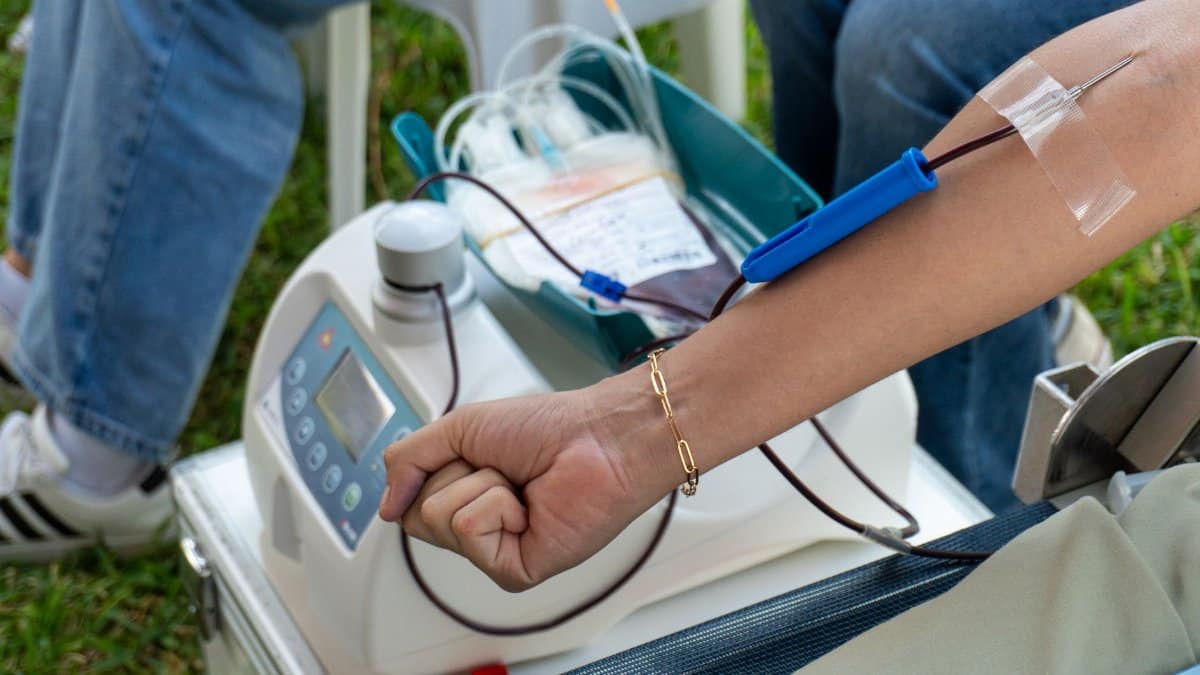
The kidney came from a deceased donor whose relatives consented to the gift, continuing a chain of generosity that saves lives annually. These decisions frequently occur during moments of grief yet yield tangible extensions of life for recipients. Acknowledgment of donor contributions remains central to transplant program outreach efforts.
Rehabilitation and Daily Life Adjustments

Following the surgery the woman began a structured rehabilitation plan focused on mobility and nutrition to support sustained progress. Medical staff monitor medication adherence and follow up visits to address any emerging concerns promptly. Many in similar situations report gradual returns to familiar activities with appropriate guidance.
Broader Trends in Organ Donation Awareness

Public campaigns across Illinois encourage registration as donors, citing the impact on individuals and families awaiting transplants. Events tied to this Wheaton Kidney Transplant Milestone could further elevate visibility of these initiatives. Increased participation helps address persistent gaps between supply and demand in the system.