

In times of uncertainty people often discover unexpected strength through shared experiences and mutual aid. Communities that emphasize connection over isolation tend to recover more effectively from setbacks. This dynamic reflects the essence of Social Resilience Community, where collective bonds help individuals navigate difficulties with greater ease and purpose.
Defining the Concept Through Everyday Experiences

Observers note that social resilience emerges when groups prioritize ongoing interactions rather than isolated efforts. Families in small towns frequently demonstrate this by organizing regular gatherings that build trust over months and years. Such patterns allow residents to share resources during crises without formal structures getting in the way.
Historical Patterns of Group Support
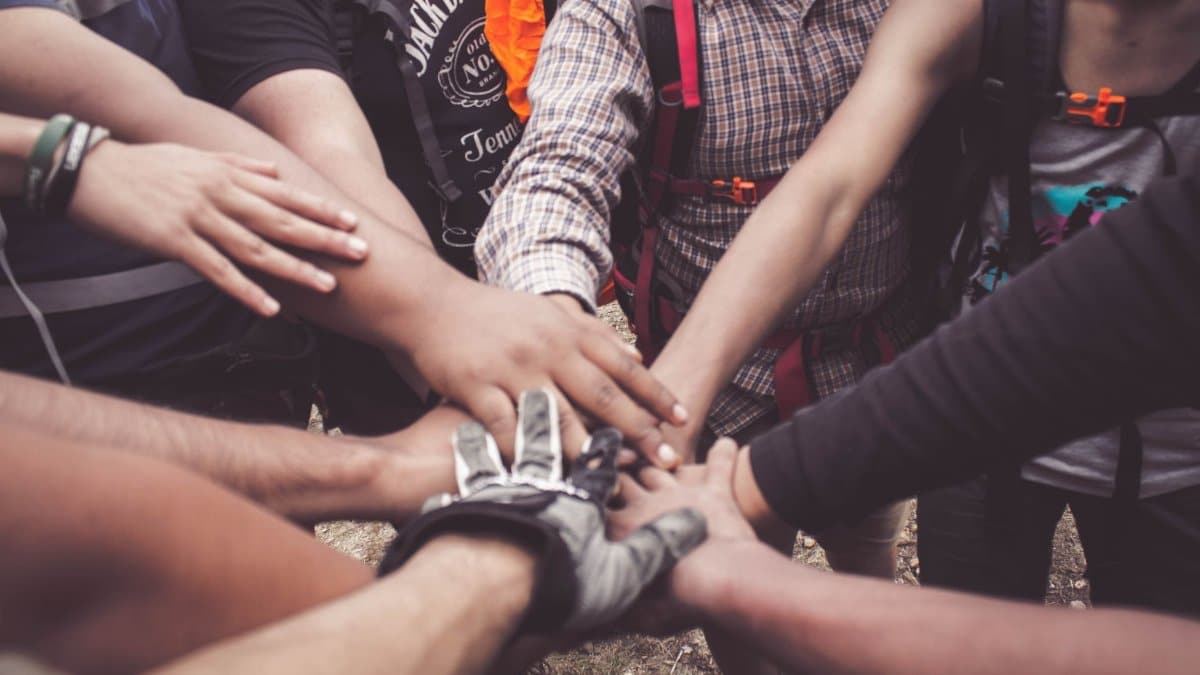
Records from past decades show neighborhoods pulling together after natural events like floods or economic shifts. Participants in these efforts report lasting improvements in local morale and practical problem solving. The emphasis remains on sustained relationships that extend beyond single incidents.
Psychological Benefits Observed in Connected Groups

Studies indicate lower stress levels among those embedded in supportive networks. Individuals describe feeling more capable when they know others stand ready to assist. This sense of security encourages proactive steps rather than withdrawal during challenging periods.
Practical Steps for Local Leaders

Organizers can start by hosting open forums where residents voice concerns and propose solutions. Regular events such as shared meals or skill exchanges strengthen ties without requiring large budgets. Success often follows consistent attention to inclusive participation across age groups.
Role of Technology in Modern Networks

Digital platforms enable broader reach for community messages and coordination. Virtual check ins supplement in person meetings when distance poses barriers. Careful use avoids replacing face to face contact that remains central to deep trust.
Challenges in Diverse Populations
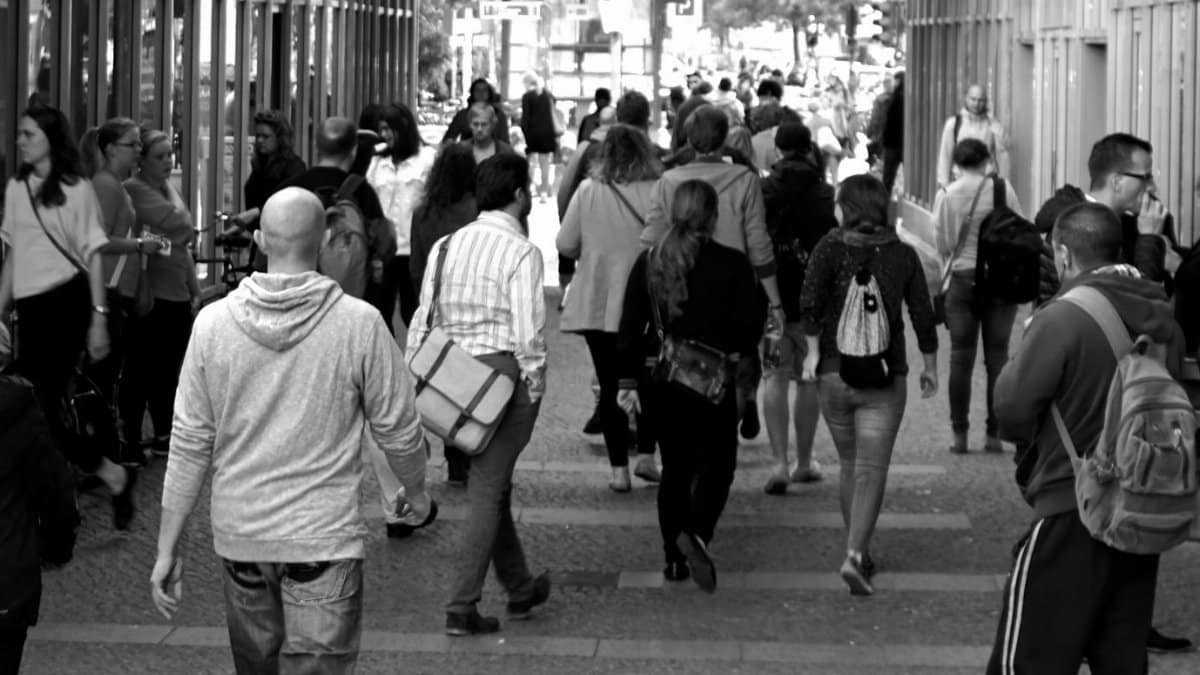
Varied backgrounds sometimes create initial hurdles to unified action. Successful examples involve patient dialogue that acknowledges differences while focusing on common goals. Over time these approaches yield stronger overall cohesion.
Measuring Progress in Community Strength

Indicators include higher volunteer rates and quicker responses to local needs. Surveys reveal improved perceptions of safety and belonging among active members. Tracking these elements helps refine strategies for continued growth.
Future Outlook for Sustained Efforts

Long term investment in relationships promises resilience against emerging pressures from climate or economic changes. Policymakers increasingly recognize the value of funding grassroots initiatives. Individuals contribute by maintaining personal commitments to their immediate circles. Overall the Social Resilience Community model offers a framework for enduring stability through human connection.