

In recent years many people have turned to mindfulness practices to manage ongoing discomfort from various conditions. One approach that stands out involves directing gentle awareness toward physical sensations rather than fighting them. This method known as Pain Meditation encourages individuals to approach their experiences with kindness instead of resistance. Through visualization techniques symptoms can be imagined as colors enveloped in supportive light bringing a sense of ease. Such practices offer a shift from struggle to acceptance allowing greater comfort amid illness.
The Rise of Mindfulness in Health Care
Medical centers across the country now incorporate mindfulness sessions into treatment plans for patients facing persistent challenges. Doctors observe that these methods complement traditional approaches by fostering a calmer mental state. Patients report improved ability to rest and engage with daily routines when they adopt such techniques regularly. Research from various universities supports the idea that consistent practice can reduce perceived intensity of sensations over time. This trend reflects a broader acceptance of mind body connections in contemporary medicine.
How Visualization Aids in Symptom Management

Imagining discomfort as shifting hues allows the mind to detach from direct confrontation. Practitioners learn to surround these imagined colors with warm tones representing care and stability. This process transforms a tense interaction into one of gentle observation. Over repeated sessions the brain adapts creating new pathways that emphasize support rather than alarm. Many find this imagery simple yet effective for maintaining focus during difficult moments.
Cultivating Kindness Toward Oneself

Central to the practice is extending compassion inward especially when the body signals distress. Instead of criticism individuals practice phrases of encouragement directed at the affected areas. This builds resilience by reinforcing that the person deserves relief and understanding. Over time such habits influence overall outlook making challenges feel less isolating. The emphasis remains on presence and acceptance without demands for immediate change.
Practical Steps for Daily Practice
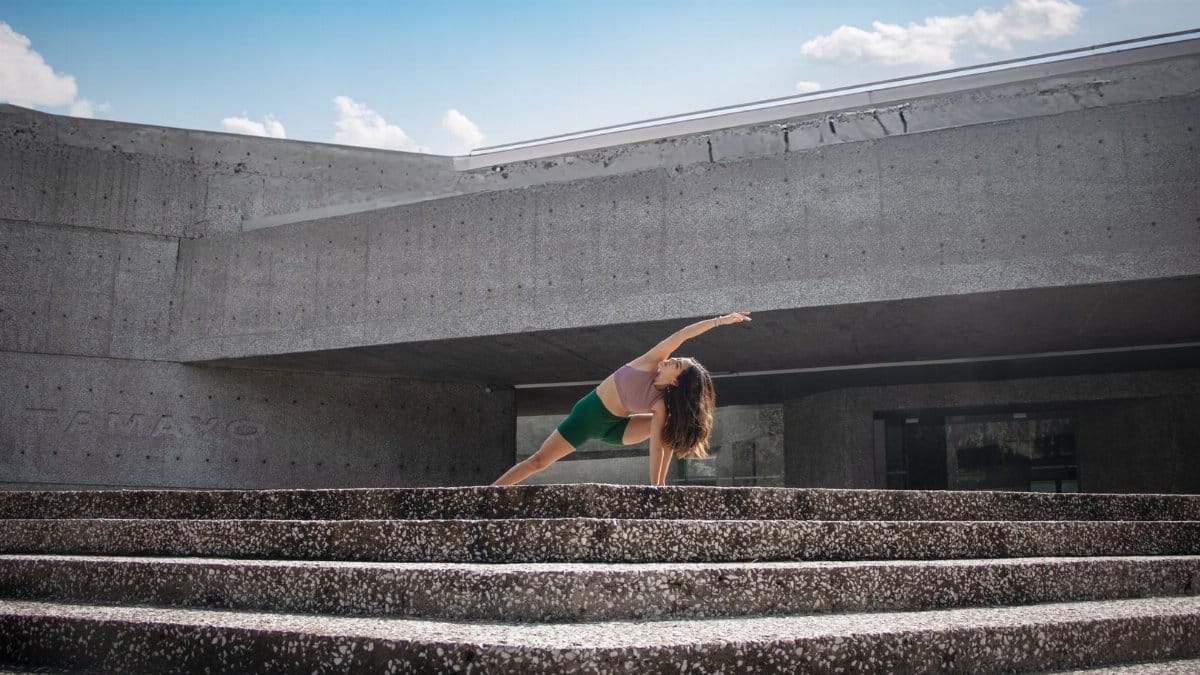
Begin in a quiet space seated or reclined with eyes closed if comfortable. Breathe naturally while noticing areas of tension without judgment. Introduce colors to represent sensations then mentally add layers of soothing light around them. Continue for ten to twenty minutes gradually extending duration as familiarity grows. Consistency matters more than perfection with sessions fitting into morning or evening rhythms.
Stories from Practitioners

One teacher describes working with groups where participants share experiences of reduced anxiety after several weeks. A retiree notes that evening sessions help ease transitions into sleep despite prior restlessness. These accounts highlight personal adaptations such as combining the imagery with soft music or outdoor settings. Common themes include renewed energy for social connections and hobbies once avoided.
Scientific Perspectives on Meditation Benefits

Studies from institutions like the University of Wisconsin explore how focused attention alters brain activity related to sensation processing. Findings suggest changes in regions associated with emotional regulation after sustained training. While results vary among individuals the data points to measurable shifts in stress markers. Further investigations continue to examine long term effects across diverse populations.
Integrating This into Modern Life

Busy schedules can accommodate short versions during commutes or work breaks by focusing inward briefly. Families sometimes practice together creating shared moments of calm. Workplaces exploring wellness programs find value in offering guided sessions to employees. The flexibility allows adaptation to various lifestyles without requiring special equipment or environments.
Potential Challenges and Solutions
Initial attempts may bring frustration if the mind wanders frequently. Guidance recommends gentle redirection back to the imagery rather than self reproach. Physical limitations can be addressed by adjusting posture or shortening sessions. Support from instructors or recorded audio helps maintain momentum during early stages of learning.
Broader Implications for Wellness

Adoption of Pain Meditation extends beyond individual relief to influence community approaches to health. It promotes proactive engagement with personal wellbeing through accessible mental tools. As awareness spreads more resources emerge including apps and classes tailored for different needs. This evolution signals a lasting place for compassionate awareness in everyday health strategies.